
SR-22 With No Down Payment After Reckless Driving — California
Free to compare
When California Reckless Driving Triggers SR-22 Filing
You received a reckless driving conviction under California Vehicle Code §23103, and a carrier just quoted you $850 down payment for SR-22 insurance. Before you pay that amount, verify whether your specific case actually requires SR-22 filing. California does not automatically mandate SR-22 for standalone reckless driving convictions—the filing requirement depends on whether the court or DMV issued an explicit order as part of your sentence or suspension notice.
SR-22 filing becomes mandatory when reckless driving results in license suspension under California's negligent operator point system, when the court orders proof of financial responsibility as a condition of probation, or when the reckless driving conviction was reduced from DUI under a wet reckless plea bargain. If your conviction notice or DMV suspension letter does not specifically reference proof of insurance filing or Vehicle Code §16430, you may not need SR-22 at all. Verify your filing requirement with the DMV or the court that issued your sentence before purchasing coverage—carriers cannot refund SR-22 filing fees once submitted.
“California does not automatically mandate SR-22 for standalone reckless driving convictions—the filing requirement depends on whether the court or DMV issued an explicit order.”

Get Insured and Get Your California License Back
Get My California Suspended License Insurance Quote$125
California Restricted License Application Fee
California DMV charges $125 to apply for a restricted license after negligent operator suspension, per Vehicle Code §14905. This fee is separate from SR-22 filing costs and reinstatement fees, and must be paid before the restricted license is issued.
California Vehicle Code §14905
Why Standard Carriers Demand High Down Payments
Standard and preferred-tier carriers—State Farm, Allstate, Geico's standard underwriting tier—classify reckless driving convictions as major violations. Their underwriting models treat these convictions as high-risk events, triggering premium surcharges of 40-80% and requiring larger down payments to offset perceived future claim exposure. A standard carrier policy costing $180/month after reckless driving translates to $720-$900 down payment for a six-month term paid in advance.
The down payment requirement is not a California legal mandate. It is carrier underwriting policy designed to reduce risk exposure on policies expected to lapse. High down payments function as a financial barrier ensuring the carrier collects several months of premium even if the policyholder cancels coverage early. Non-standard carriers underwrite differently—they price risk into monthly premiums rather than requiring large advance payments, which is why zero-down SR-22 policies exist exclusively in the non-standard market.
Carriers writing SR-22 policies in California after reckless driving include Bristol West, Dairyland, The General, Infinity, National General, Progressive's non-standard tier, and Geico's non-standard tier. Not all offer zero-down payment plans, but several allow monthly payment schedules with $0-$100 initial payment when paid through direct bank withdrawal. Down payment requirements vary by carrier, county, and whether you carry a lapse in coverage prior to the conviction.
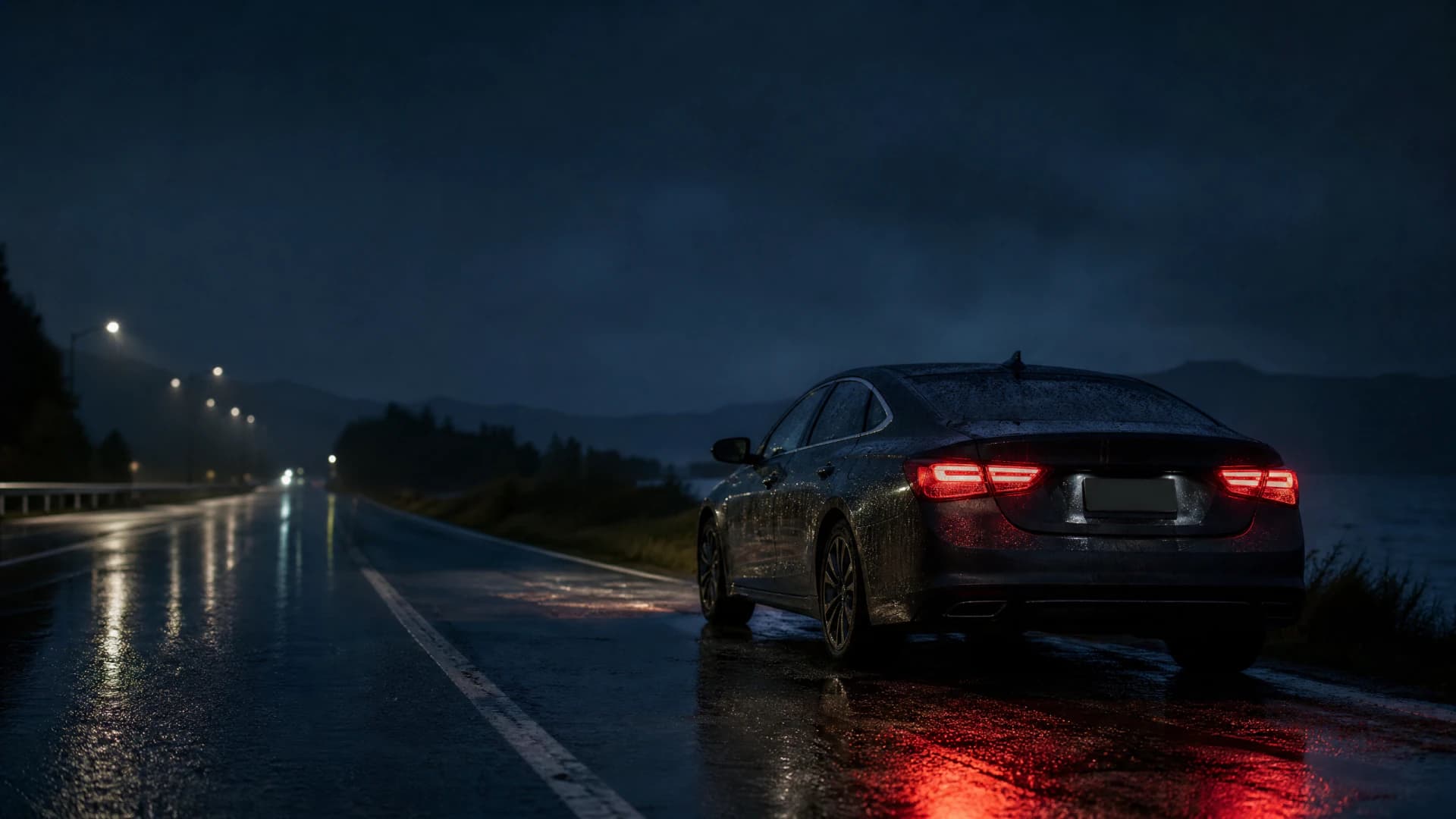
Zero-down SR-22 policies require automated monthly bank withdrawal. Carriers offering zero-down terms will not accept manual monthly payments—the payment method is non-negotiable.
Related Articles
What Zero-Down Policies Actually Cost
Zero-down SR-22 policies typically cost $140-$220/month for California liability-only coverage after reckless driving, depending on your county, age, and prior insurance history. The monthly premium includes the SR-22 filing fee—carriers do not separate this as a line item. Total six-month cost ranges from $840 to $1,320, paid in six monthly installments rather than upfront. Compare this to a standard carrier's $180/month policy requiring $720 down payment: the zero-down policy costs more in total premium, but spreads payment across the term.
Non-standard carriers price the increased lapse risk into the monthly rate rather than collecting it as advance payment. This results in higher per-month costs but eliminates the barrier of a large initial outlay. If your financial constraint is the down payment rather than the monthly cost, zero-down policies solve the access problem. If your constraint is total cost over six months, a standard carrier policy with high down payment may cost less in aggregate—evaluate both structures against your specific situation.
Payment method restrictions are non-negotiable. Zero-down policies require automated bank withdrawal on a fixed monthly date. Missing a withdrawal triggers immediate cancellation, and the carrier files an SR-22 cancellation notice with the DMV the same day. California law requires carriers to notify the DMV within 10 days of policy cancellation per Vehicle Code §16056. Once the DMV receives the cancellation notice, your license is suspended again for failure to maintain required insurance, and reinstatement requires purchasing new coverage, filing a new SR-22, and paying a $55 reissue fee under Vehicle Code §14904.
10 days
California SR-22 Cancellation Notice Window
Carriers must notify the California DMV within 10 days of canceling an SR-22 policy, per Vehicle Code §16056. The DMV suspends your license immediately upon receiving the notice, regardless of whether you secured replacement coverage. Reinstating after SR-22 lapse requires new filing and $55 reissue fee.
California Vehicle Code §16056, §14904
Non-Owner SR-22 as Alternative
If you do not own a vehicle, non-owner SR-22 policies cost $60-$110/month in California and several carriers offer zero-down terms on this coverage type. Non-owner policies provide liability coverage when you drive a borrowed or rental vehicle, and satisfy the DMV's SR-22 filing requirement without insuring a specific car. Geico, State Farm, Dairyland, Progressive, and The General all write non-owner SR-22 policies in California. Zero-down availability varies by carrier—Dairyland and The General offer zero-down non-owner policies most consistently.
Non-owner SR-22 does not cover a vehicle you own, lease, or regularly use. If the DMV's vehicle registration database shows a car registered in your name, some carriers will refuse to issue non-owner coverage and require a standard policy instead. If you sold your vehicle after the reckless driving conviction, verify the registration is canceled with the DMV before quoting non-owner policies—unresolved registration creates eligibility conflict.
Compare Carriers and Lock Coverage Quickly
California does not impose waiting periods between reckless driving conviction and SR-22 filing—you can secure coverage and file SR-22 the same day. If your license is currently suspended and the DMV suspension notice lists SR-22 filing as a reinstatement requirement, obtain coverage immediately. Every day without valid SR-22 on file extends your suspension. The $55 DMV reissue fee applies once you provide proof of filing; delays do not reduce the fee but prolong the period you cannot legally drive.
Request quotes from at least three non-standard carriers, confirm zero-down eligibility and automated payment terms in writing, verify electronic SR-22 filing within 24 hours of binding, and bind the policy only after confirming these terms. Once coverage is active, check your DMV record within 48 hours to confirm the SR-22 filing appears—log in to the California DMV online portal or call the DMV suspension unit at 916-657-6525. If the filing does not appear within three business days, contact the carrier immediately and request proof of submission.
How to Secure Zero-Down SR-22 Coverage
Start by requesting quotes from non-standard carriers specifically: Bristol West, Dairyland, The General, and Infinity all write zero-down SR-22 policies in California when the applicant agrees to Electronic Funds Transfer monthly payment. Do not quote with standard carriers first—their underwriting tiers cannot offer zero-down terms, and multiple quote inquiries within a short window can depress your eligibility with non-standard carriers who view shopping behavior as risk signal. Provide your reckless driving conviction date, case number, and county of conviction when requesting the quote. Inaccurate violation disclosure triggers policy rescission after the SR-22 filing reaches the DMV, leaving you without coverage and facing a new suspension for lapsed proof of insurance.
Confirm the carrier will file the SR-22 certificate electronically with the California DMV within 24 hours of policy binding. The DMV does not consider you insured until the SR-22 filing appears in their system, regardless of when you paid the first premium. If you are reinstating a suspended license, the SR-22 filing date determines your reinstatement eligibility—delays in filing extend your suspension period. Verify the carrier's filing method and timeline in writing before binding coverage. Some carriers file electronically same-day; others submit paper filings that take 5-7 business days to process.
Get Your Free Quote
Get My California Suspended License Insurance QuoteFrequently Asked Questions
Does California require SR-22 filing for all reckless driving convictions?
No. California requires SR-22 filing only when the court orders proof of financial responsibility as part of sentencing, when reckless driving triggers negligent operator suspension, or when the conviction was reduced from DUI under wet reckless plea. Standalone reckless driving convictions under Vehicle Code §23103 without suspension or court-ordered filing do not require SR-22.
Can I get SR-22 insurance with no money down in California?
Yes. Non-standard carriers including Dairyland, Bristol West, The General, and Infinity offer zero-down SR-22 policies in California when you agree to automated monthly bank withdrawal. Standard carriers typically require $400-$900 down payment. Zero-down policies cost $140-$220/month for liability coverage after reckless driving.
How long do I need to maintain SR-22 after reckless driving in California?
California typically requires SR-22 filing for three years after the conviction date when SR-22 is court-ordered or tied to negligent operator suspension. The three-year period runs from the date the DMV receives the SR-22 filing, not the conviction date. Canceling coverage before the period ends triggers license re-suspension.
What happens if I miss a payment on a zero-down SR-22 policy?
The carrier cancels the policy immediately and files an SR-22 cancellation notice with the California DMV within 10 days per Vehicle Code §16056. The DMV suspends your license upon receiving the notice. Reinstatement requires purchasing new coverage, filing a new SR-22, and paying a $55 reissue fee.
Is non-owner SR-22 cheaper than standard SR-22 after reckless driving?
Yes. Non-owner SR-22 policies cost $60-$110/month in California, compared to $140-$220/month for standard liability SR-22 after reckless driving. Non-owner coverage applies only when you do not own a vehicle and satisfies the DMV filing requirement without insuring a specific car. Dairyland and The General offer zero-down non-owner SR-22 policies.
Can I switch carriers during my SR-22 filing period?
Yes, but the new carrier must file an SR-22 certificate with the DMV before the old policy cancels. If there is any gap between the cancellation date of the old SR-22 and the filing date of the new SR-22, the DMV suspends your license for lapsed proof of insurance. Coordinate the switch so the new filing reaches the DMV before the old policy's cancellation notice.