
SR-22 Insurance With Low Monthly Payments After a DUI — California
Free to compare
The Premium Shock After a California DUI
You received a DUI suspension notice from the California DMV. You know you need SR-22 insurance to get your restricted license after the 30-day hard suspension ends. You called three carriers and got quotes ranging from $220 to $340 per month. Those numbers feel impossible, and you're stuck wondering whether cheaper SR-22 options exist or whether you're locked into rates designed to punish you for the next three years.
California does require SR-22 filing for DUI reinstatement, and your premium will be higher than it was before the suspension. But the $220–$340 range you're seeing reflects standard-tier carriers who price DUI drivers as catastrophic risk. Non-standard carriers writing specifically to suspended-license drivers in California routinely quote $85–$140 per month for the same SR-22 liability coverage. The difference is carrier specialization, not coverage quality.
“Standard-tier loyalty pricing does not apply to suspended-license drivers—the carrier that insured you before your DUI is almost never your cheapest SR-22 option.”
Get Insured and Get Your California License Back
Get My California Suspended License Insurance Quote$85–$140/mo
California DUI SR-22 Premium Range
Non-standard carriers writing to suspended-license drivers in California quote SR-22 liability policies at $85–$140 per month for drivers with recent DUI convictions. Standard-tier carriers quote the same coverage at $220–$340/mo because they price DUI as catastrophic risk rather than underwriting it as a distinct market segment.
California carrier rate filings via non-standard auto specialists
Why Standard Carriers Charge Double for the Same SR-22 Filing
SR-22 is not insurance. It is a certificate your carrier files with the California DMV proving you carry at least the state minimum liability coverage: $15,000 property damage, $30,000 bodily injury per person, $60,000 bodily injury per accident. The SR-22 itself costs $15–$25 to file. The premium difference you're seeing has nothing to do with the certificate and everything to do with how the carrier prices your DUI conviction.
Standard-tier carriers like State Farm, Allstate, and Farmers underwrite clean-record drivers. When a DUI conviction appears, their actuarial models treat it as a low-probability catastrophic event and spike your premium to reflect that risk. Non-standard carriers like Bristol West, Dairyland, Infinity, and The General underwrite suspended-license drivers as their primary market. They price DUI as expected risk, not catastrophic outlier, and their premiums reflect that specialization. Both carrier types file the same SR-22 certificate. The coverage is identical. The pricing model is not.
California law does not allow carriers to deny you coverage because of a DUI conviction. Carriers must offer you a policy. They are allowed to price that policy at whatever rate their filed actuarial model produces, and standard-tier models produce rates two to three times higher than non-standard models for the same driver. Shopping outside the standard-tier brands most drivers recognize cuts your monthly cost in half for the same legal compliance outcome.
The carrier that insured you before your DUI suspension is almost never the cheapest SR-22 option after reinstatement. Standard-tier loyalty pricing does not apply to suspended-license drivers.
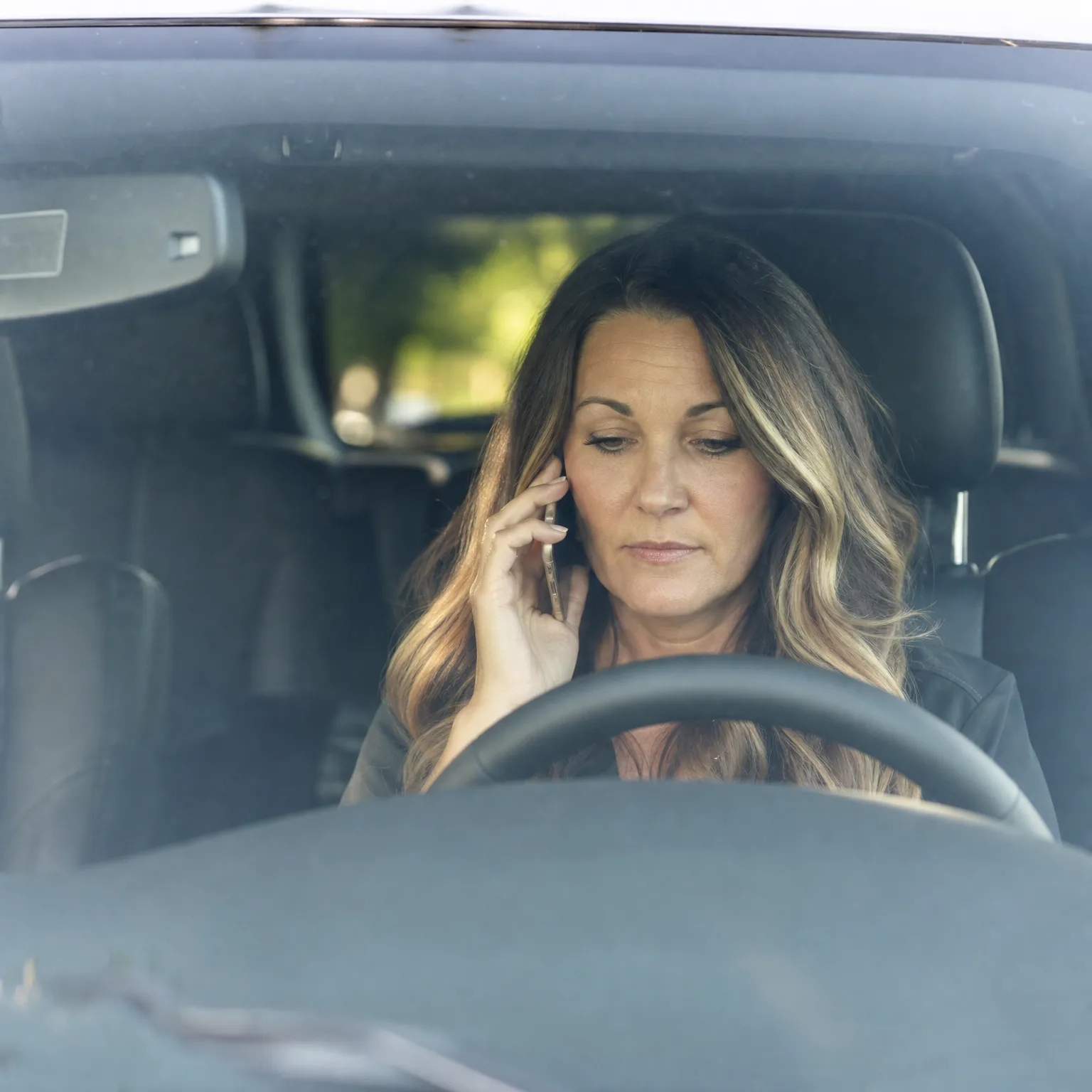
Comparing Non-Standard Carriers Writing SR-22 in California
Seven non-standard carriers write SR-22 policies to suspended-license drivers in California with consistent underwriting appetite for DUI convictions: Bristol West, Dairyland, Infinity, Kemper, The General, Progressive (non-standard tier), and National General. All file SR-22 certificates electronically with the California DMV within 1–3 business days of policy binding. Premium variation among these carriers ranges from $85/mo to $140/mo for the same state minimum liability coverage, depending on your county, age, and whether you own a vehicle.
If you do not own a vehicle, ask each carrier about non-owner SR-22 policies. Non-owner policies provide liability coverage when you drive a vehicle you do not own—borrowed cars, rental cars, or vehicles provided by an employer. California DMV accepts non-owner SR-22 filings for reinstatement purposes. Non-owner premiums run $60–$95/mo, 20–30% cheaper than owner policies, because the carrier assumes lower exposure when you do not have regular access to a specific vehicle.
Request quotes from at least three non-standard carriers before binding coverage. Premium differences of $30–$50/mo are common among carriers writing the same driver profile in the same county. The lowest quote you receive will almost never come from the carrier that insured you before your suspension. Comparison shopping SR-22 coverage produces measurably lower monthly costs than loyalty-based purchasing from your prior carrier.
All seven carriers listed above offer online quoting tools. You can generate binding quotes in 10–15 minutes per carrier without phone contact. Provide your license number, DUI conviction date, county, and vehicle VIN (or indicate non-owner if you do not own a vehicle). The system returns a monthly premium quote and confirms SR-22 filing capability. Bind the policy online, pay the first month, and the carrier files your SR-22 certificate electronically with the DMV within 1–3 business days.
3 years
California SR-22 Filing Period
California requires continuous SR-22 filing for 3 years after a DUI conviction, measured from the date your restricted license issues, not from your conviction date or arrest date. If your SR-22 lapses at any point during that 3-year period—because you missed a premium payment, switched carriers without maintaining continuous coverage, or canceled your policy—the DMV re-suspends your license immediately and restarts the 3-year clock from zero when you refile.
California Vehicle Code Section 16070

What Happens If You Let SR-22 Coverage Lapse
Your carrier is legally required to notify the California DMV within 30 days if your SR-22 policy cancels for non-payment, if you request cancellation, or if the carrier non-renews your policy. The DMV receives that electronic notification and immediately suspends your license again. You do not receive a grace period. The suspension is automatic. If you are caught driving after the lapse-triggered suspension, California treats it as driving on a suspended license, a misdemeanor carrying up to 6 months in jail and a $1,000 fine under Vehicle Code Section 14601.
When you refile SR-22 after a lapse, the 3-year continuous-coverage period restarts from the new filing date. If you maintained SR-22 for 18 months, let it lapse, and then refile, you owe another full 3 years from the refile date. The 18 months you already paid do not count. California does not prorate SR-22 duration. Missing a single premium payment can cost you 18 additional months of SR-22 filing requirements and premiums.
Shopping for SR-22 Coverage Before Your Hard Suspension Ends
You can shop for SR-22 coverage and bind a policy during your 30-day hard suspension period. The policy effective date can be set for the day your hard suspension ends, and the carrier will file the SR-22 certificate with the DMV on that effective date. This eliminates the 3–7 day SR-22 processing delay that adds no-driving days to your reinstatement timeline if you wait until day 31 to start shopping.
Binding coverage early also locks your premium rate. Non-standard carrier rates fluctuate based on underwriting demand and county-level loss experience. A quote you receive on day 15 of your hard suspension may not be available at the same rate on day 31. Early binding avoids rate drift. You are not required to wait until your suspension ends to purchase SR-22 insurance. California law allows you to maintain insurance on a suspended license specifically to satisfy future reinstatement requirements.
If you currently own a vehicle, maintain collision and comprehensive coverage on that vehicle during your suspension period even though you cannot legally drive it. Lapse in physical-damage coverage does not trigger DMV suspension, but it leaves your vehicle uninsured against theft, vandalism, and weather damage while it sits unused. If you financed the vehicle, your lender requires continuous physical-damage coverage regardless of your license status. Letting that coverage lapse triggers a lender-placed insurance charge at 3–5 times the rate you would pay by maintaining your own policy.
The 30-Day Hard Suspension and Restricted License Timeline
The 30-day hard suspension begins the day the DMV's Administrative Per Se (APS) suspension takes effect, which is 30 days after your DUI arrest unless you requested a DMV hearing within 10 days of arrest. If you requested a hearing and lost, the 30-day hard period starts the day the hearing officer mails the suspension order. If you did not request a hearing, the hard suspension starts automatically 30 days post-arrest. During this 30-day window, you cannot drive at all, even with SR-22 on file. No restricted license exists during the hard period.
After the 30-day hard suspension ends, you become eligible to apply for a restricted license under California Vehicle Code Section 13353.3. That restricted license requires proof of SR-22 filing, enrollment in a DUI program, payment of the $125 reissue fee, and installation of an ignition interlock device (IID) on any vehicle you drive. The SR-22 must be on file with the DMV before the restricted license issues. If you wait until day 31 to shop for SR-22 coverage, you add another 3–7 business days to your no-driving period while the carrier processes your application and files the certificate electronically with the DMV.
Get Your Free Quote
Get My California Suspended License Insurance QuoteFrequently Asked Questions
How much does SR-22 insurance cost per month in California after a DUI?
Non-standard carriers writing to suspended-license drivers in California quote SR-22 liability coverage at $85–$140 per month for drivers with recent DUI convictions. Standard-tier carriers quote $220–$340/mo for the same coverage because they price DUI as catastrophic risk rather than expected underwriting exposure. The SR-22 certificate itself costs $15–$25 to file; the premium difference reflects carrier specialization, not filing fees.
Can I get SR-22 insurance in California if I don't own a car?
Yes. Non-owner SR-22 policies provide liability coverage when you drive a vehicle you do not own, and California DMV accepts non-owner SR-22 filings for reinstatement after a DUI suspension. Non-owner premiums run $60–$95/mo in California, 20–30% cheaper than owner policies. All non-standard carriers writing SR-22 in California offer non-owner policies.
How long do I need to maintain SR-22 insurance after a California DUI?
California requires continuous SR-22 filing for 3 years after a DUI conviction, measured from the date your restricted license issues. If your SR-22 lapses at any point during that 3-year period, the DMV re-suspends your license immediately and restarts the 3-year clock from zero when you refile. Missing a single premium payment can add 18+ months to your total SR-22 obligation.
When can I apply for a restricted license after a DUI in California?
California imposes a 30-day hard suspension after a first-offense DUI before you can apply for a restricted license. That 30-day period starts when the DMV's Administrative Per Se suspension takes effect, typically 30 days after your arrest unless you requested and lost a DMV hearing. After the 30-day hard period ends, you can apply for a restricted license if you have SR-22 on file, enrollment in a DUI program, payment of the $125 reissue fee, and an ignition interlock device installed.
What happens if I let my SR-22 insurance lapse in California?
Your carrier is required to notify the California DMV within 30 days if your SR-22 policy cancels. The DMV immediately re-suspends your license with no grace period. Driving after a lapse-triggered suspension is a misdemeanor under Vehicle Code Section 14601, carrying up to 6 months in jail and a $1,000 fine. When you refile SR-22 after a lapse, the 3-year continuous-coverage period restarts from the new filing date.
Can I shop for SR-22 insurance before my California DUI suspension ends?
Yes. You can bind SR-22 coverage during your 30-day hard suspension with an effective date set for the day your suspension ends. The carrier files the SR-22 certificate with the DMV on that effective date, eliminating the 3–7 day processing delay that adds no-driving days if you wait until day 31 to start shopping. California law allows you to maintain insurance on a suspended license to satisfy future reinstatement requirements.
Which carriers in California write cheap SR-22 insurance after a DUI?
Bristol West, Dairyland, Infinity, Kemper, The General, Progressive (non-standard tier), and National General write SR-22 policies to suspended-license drivers in California with consistent underwriting appetite for DUI convictions. All file SR-22 certificates electronically with the DMV within 1–3 business days of policy binding. Premiums range $85–$140/mo for state minimum liability coverage depending on county, age, and vehicle ownership.