
Quick SR-22 Insurance — California
Free to compare
The 72-Hour SR-22 Filing Window California Drivers Miss
You call a carrier Monday morning expecting instant SR-22 approval so you can drive by Tuesday. The agent confirms same-day filing. Wednesday afternoon, the DMV website still shows your license as suspended. You thought SR-22 was instant. It's not. California carriers electronically file SR-22 certificates to the DMV within hours of policy purchase, but the DMV's Electronic Financial Responsibility (EFR) system under Vehicle Code §16058 takes 24 to 72 hours to process and post the filing to your driver record. That lag is the window most drivers don't plan for.
This article walks the actual timeline from carrier filing to DMV posting, names which carriers consistently hit the faster end of that window, and clarifies when you're legally allowed to drive again after suspension. If you're counting days to a court deadline or employer start date, the 72-hour maximum matters more than the carrier's same-day promise.
“California carriers e-file SR-22 same-day, but DMV posting takes 24 to 72 hours — the lag most drivers don't plan for when counting days to a deadline.”

Get Insured and Get Your California License Back
Get My California Suspended License Insurance Quote24-72 hours
DMV SR-22 Posting Window
California carriers e-file SR-22 certificates same-day, but the DMV's EFR system takes 24 to 72 business hours to process and post the filing to your driver record. Weekends and holidays extend this window. Filing Friday afternoon typically posts Tuesday.
California Vehicle Code §16058, DMV EFR program
How California SR-22 E-Filing Actually Works
When you purchase a policy requiring SR-22, the carrier electronically transmits an SR-1P form (the California-specific SR-22 certificate) to the DMV's EFR database. The carrier's transmission happens same-day, usually within 2 to 4 hours of policy binding. You receive a paper or PDF copy of the SR-1P for your records, but that copy is not proof of filing to the DMV. The DMV only recognizes the electronic submission in its own system.
The DMV's EFR system runs batch updates, not real-time posting. Filings submitted before the daily cutoff (typically 5 PM Pacific) appear in the next batch cycle, which runs overnight. Filings submitted after cutoff or on weekends wait until the next business day's cycle. Once posted, your driver record updates and suspension holds lift if all other reinstatement conditions are met. If you were suspended solely for failure to provide proof of insurance under Vehicle Code §16070, the SR-22 posting removes the hold automatically. If your suspension included other triggers (DUI, negligent operator points), SR-22 is only one requirement and does not by itself restore your license.
The practical consequence: if you need to drive legally by a specific date, buy the policy at least 3 full business days before that date. Cutting it closer risks missing your window if the DMV batch cycle delays. Carriers cannot override DMV processing speed.
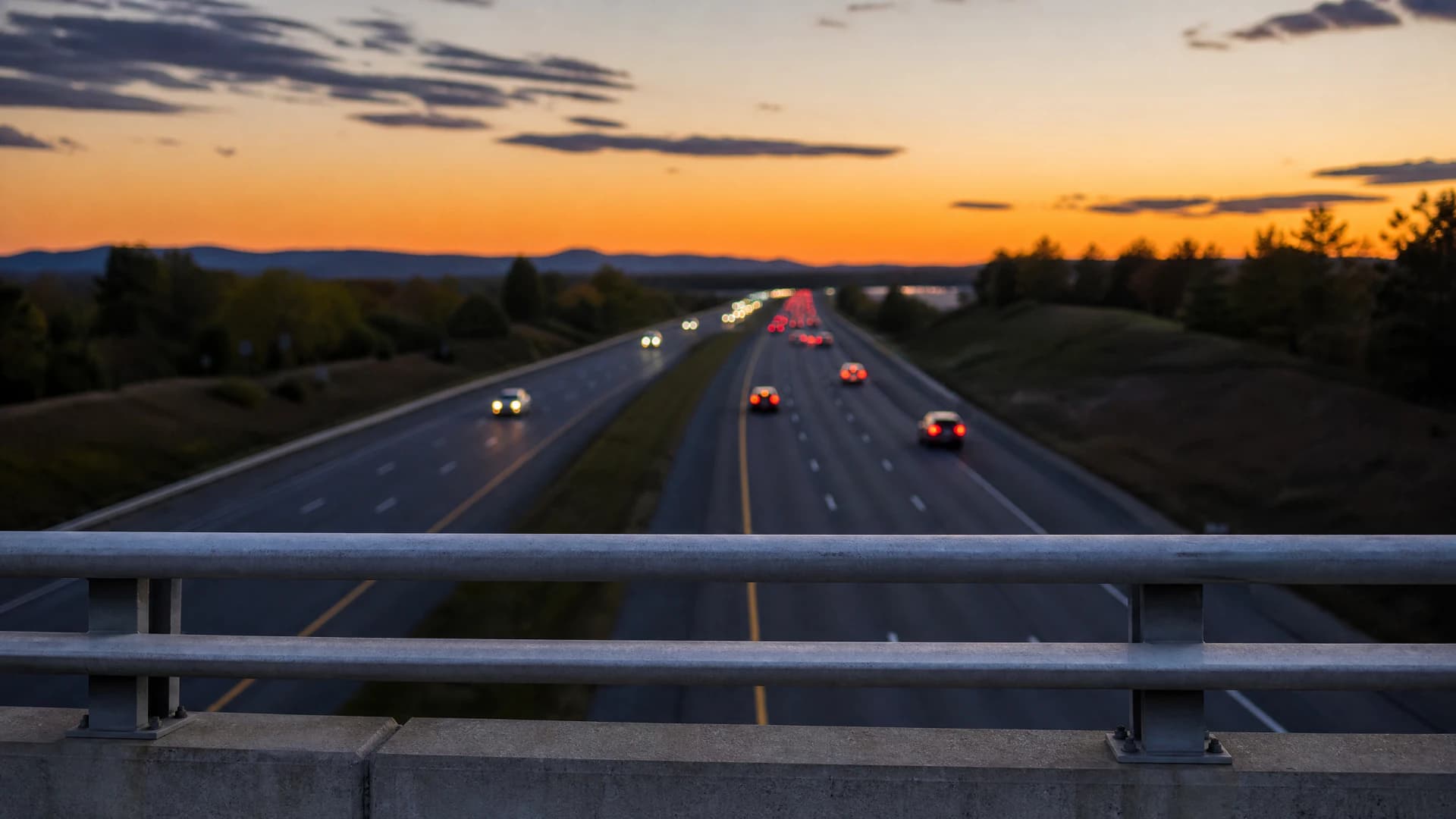
Starting SR-22 coverage while your license is still suspended does not authorize you to drive. You're legal only after the DMV posts the filing and lifts the suspension hold.
The Reinstatement Sequence That Prevents Re-Suspension
California requires you to satisfy all reinstatement conditions before driving legally. If your suspension was DUI-triggered under Vehicle Code §13352, you must complete DUI program enrollment (proof submitted to DMV), install an ignition interlock device if required, pay the $125 reissue fee under Vehicle Code §14904, and maintain SR-22 filing for 3 years from reinstatement date. The SR-22 does not replace any of these steps. It runs parallel.
Here's the sequence error most drivers make: they buy SR-22 coverage Monday, the DMV posts it Wednesday, they assume they're legal and start driving Thursday, then receive a re-suspension notice Friday because they never paid the reissue fee or submitted DUI program enrollment proof. The SR-22 posting lifts only the insurance-related hold. Other holds remain active until you satisfy them. Check your suspension letter or call the DMV Driver Safety office at 916-657-6525 to confirm which specific holds are on your record. Do not assume SR-22 alone reinstates you.
For DUI-related restricted licenses (California's hardship license option), you must apply separately to the DMV after submitting proof of SR-22, DUI program enrollment, and IID installation. The restricted license allows driving to work, DUI program, and within scope of employment only. Driving outside those boundaries on a restricted license triggers revocation and restarts your suspension period from zero. The restricted license is not full reinstatement; it's conditional driving privilege during your suspension.
$125
California License Reissue Fee
Vehicle Code §14904 sets the $125 reissue fee as the baseline administrative reinstatement charge for most suspension types, including DUI and negligent operator. This fee is separate from SR-22 insurance costs and must be paid before DMV will lift suspension holds.
California Vehicle Code §14904
Non-Owner SR-22 for Suspended Drivers Without a Car
If you don't currently own a vehicle but need SR-22 to satisfy reinstatement requirements, buy a non-owner SR-22 policy. Non-owner policies provide liability coverage when you drive a borrowed or rented vehicle and meet California's SR-22 filing mandate without requiring you to insure a specific car. Monthly premiums run $35 to $75 depending on your violation history. Geico, Progressive, The General, and Dairyland all write non-owner SR-22 in California and file electronically same-day.
Non-owner SR-22 does not cover a vehicle you own, lease, or have regular access to. If you later purchase a car, you must upgrade to a standard auto policy with SR-22 endorsement. Letting the non-owner policy lapse before the 3-year SR-22 period ends triggers immediate re-suspension. The DMV's EFR system monitors carrier cancellation reports continuously. If your carrier reports a lapse, the DMV mails a suspension notice within 10 days and re-suspends your license 30 days after the lapse date unless you provide proof of replacement coverage.
What Happens If You Start Driving Before DMV Posts SR-22
Driving on a suspended license in California is a misdemeanor under Vehicle Code §14601. Penalties include up to 6 months in county jail, $300 to $1,000 in fines, and vehicle impound for up to 30 days. The fact that you purchased SR-22 coverage and the carrier filed it electronically does not constitute a defense if you're stopped before the DMV system posts the filing and lifts the suspension hold. Officers check DMV real-time status during traffic stops. If the system shows suspended, you're cited regardless of when the carrier transmitted the SR-1P.
The safe approach: after purchasing SR-22 coverage, wait 3 full business days, then check your driver record status online at dmv.ca.gov using your license number. The website displays active holds and suspension status. When the SR-22 posting removes the insurance-related hold and all other reinstatement conditions are satisfied, your status updates to valid or eligible for reissue. Only then are you legal to drive. If you have a court deadline or employer start date that can't wait 3 days, plan your SR-22 purchase at least a week in advance. The DMV does not expedite posting for individual cases.
Which California Carriers File SR-22 Fastest
Geico, Progressive, and The General operate dedicated SR-22 processing queues. When you bind a policy online or by phone, their systems flag the SR-22 requirement and route the SR-1P transmission separately from standard policy documentation. These three carriers consistently file within 2 to 4 hours of policy binding on business days. If you purchase coverage before noon Pacific, the DMV typically receives the filing the same day and posts it within 24 hours. Bristol West and Dairyland file same-day but batch submissions at 5 PM, so afternoon purchases post one business day later.
State Farm files SR-22 for existing policyholders within 4 hours but requires manual underwriting for new high-risk customers, which delays initial policy approval by 24 to 48 hours before SR-22 transmission even begins. National General and Infinity both file electronically but their internal compliance review can add 6 to 12 hours to the transmission window. If your license suspension is time-sensitive, call the carrier before purchasing and ask specifically when they will transmit the SR-1P to the DMV, not when they'll issue your policy documents. The policy documents are not the DMV filing.
Get Your Free Quote
Get My California Suspended License Insurance QuoteFrequently Asked Questions
Can I drive immediately after buying SR-22 insurance in California?
No. California carriers file SR-22 electronically same-day, but the DMV's system takes 24 to 72 hours to post the filing to your driver record. You're legal to drive only after the DMV posts the SR-22 and lifts all suspension holds on your license. Check your status at dmv.ca.gov before driving.
Which California insurance companies file SR-22 fastest?
Geico, Progressive, and The General file SR-22 within 2 to 4 hours of policy binding on business days. Bristol West and Dairyland batch-submit at 5 PM daily. State Farm requires manual underwriting for new high-risk customers, which can delay SR-22 transmission by 24 to 48 hours.
How long does SR-22 insurance last in California?
California requires SR-22 filing for 3 years from your reinstatement date for most DUI and negligent operator suspensions. Letting your policy lapse before the 3-year period ends triggers immediate re-suspension. The DMV monitors carrier cancellation reports continuously through its EFR system.
Do I need SR-22 if I don't own a car in California?
Yes, if SR-22 is required for reinstatement. Buy a non-owner SR-22 policy. It provides liability coverage when you drive borrowed or rented vehicles and satisfies California's filing requirement without insuring a specific car. Monthly premiums run $35 to $75 depending on violation history.
What happens if I drive before the DMV posts my SR-22 filing?
Driving on a suspended license in California is a misdemeanor under Vehicle Code §14601. Penalties include up to 6 months in jail, $300 to $1,000 in fines, and vehicle impound for up to 30 days. The fact that you purchased SR-22 coverage does not constitute a defense if the DMV system still shows your license as suspended when you're stopped.
Does SR-22 filing automatically reinstate my California license?
No. SR-22 removes only the insurance-related suspension hold. If your suspension included other triggers like DUI, you must also complete DUI program enrollment, install an ignition interlock device if required, and pay the $125 reissue fee under Vehicle Code §14904 before the DMV reinstates your license.