
Non-Owner SR-22 Filing — California
Free to compare
The Vehicle Ownership Misconception
Your California license is suspended and the DMV reinstatement letter lists SR-22 as a requirement. You don't own a vehicle right now. The DMV paperwork never mentions that SR-22 filing is possible without vehicle ownership — so you assume you must buy a car first, then get insurance, then file SR-22, then wait for reinstatement. That sequence is wrong and costs you weeks of suspended status.
California Vehicle Code §16430 requires an SR-22 certificate of financial responsibility — proof that you carry minimum liability coverage. The statute says nothing about vehicle ownership. Non-owner SR-22 policies exist specifically for suspended drivers who need to file proof of insurance without owning a car. Progressive, GEICO, State Farm, The General, Dairyland, and Bristol West all write non-owner policies in California with same-day or next-day electronic SR-22 filing to the DMV.
“The DMV posts SR-22 filings within 24 hours of carrier transmission — total timeline from policy purchase to reinstatement eligibility is 2–3 business days.”

Get Insured and Get Your California License Back
Get My California Suspended License Insurance Quote48 hours
California Non-Owner SR-22 Filing Window
Most California carriers electronically transmit non-owner SR-22 certificates to the DMV within 48 hours of policy binding. The DMV posts the filing to your driver record within 24 hours of receipt. Total timeline from policy purchase to DMV confirmation: 2–3 business days.
California DMV Electronic Filing System (EFS)
What Non-Owner SR-22 Actually Covers
A non-owner SR-22 policy provides liability coverage when you drive a vehicle you don't own. California's minimum liability limits — $30,000 bodily injury per person, $60,000 per accident, $15,000 property damage — apply to any vehicle you operate with the owner's permission. The policy does not cover a vehicle you own, lease, or use regularly. It covers borrowed vehicles, rental cars, and employer vehicles driven outside work hours.
The SR-22 certificate attached to the policy is an electronic filing the carrier sends directly to the California DMV. The certificate proves you carry continuous liability coverage. The DMV requires SR-22 filing for 3 years from your reinstatement date for most DUI and negligent operator suspensions. If your policy lapses or cancels, the carrier electronically notifies the DMV within 24 hours and your license is re-suspended immediately.
Non-owner policies cost significantly less than standard SR-22 policies because the carrier assumes lower risk — you're not covering a specific vehicle. California non-owner SR-22 premiums typically range from $25–$45 per month for drivers with DUI violations, compared to $85–$140 per month for standard SR-22 policies covering an owned vehicle.
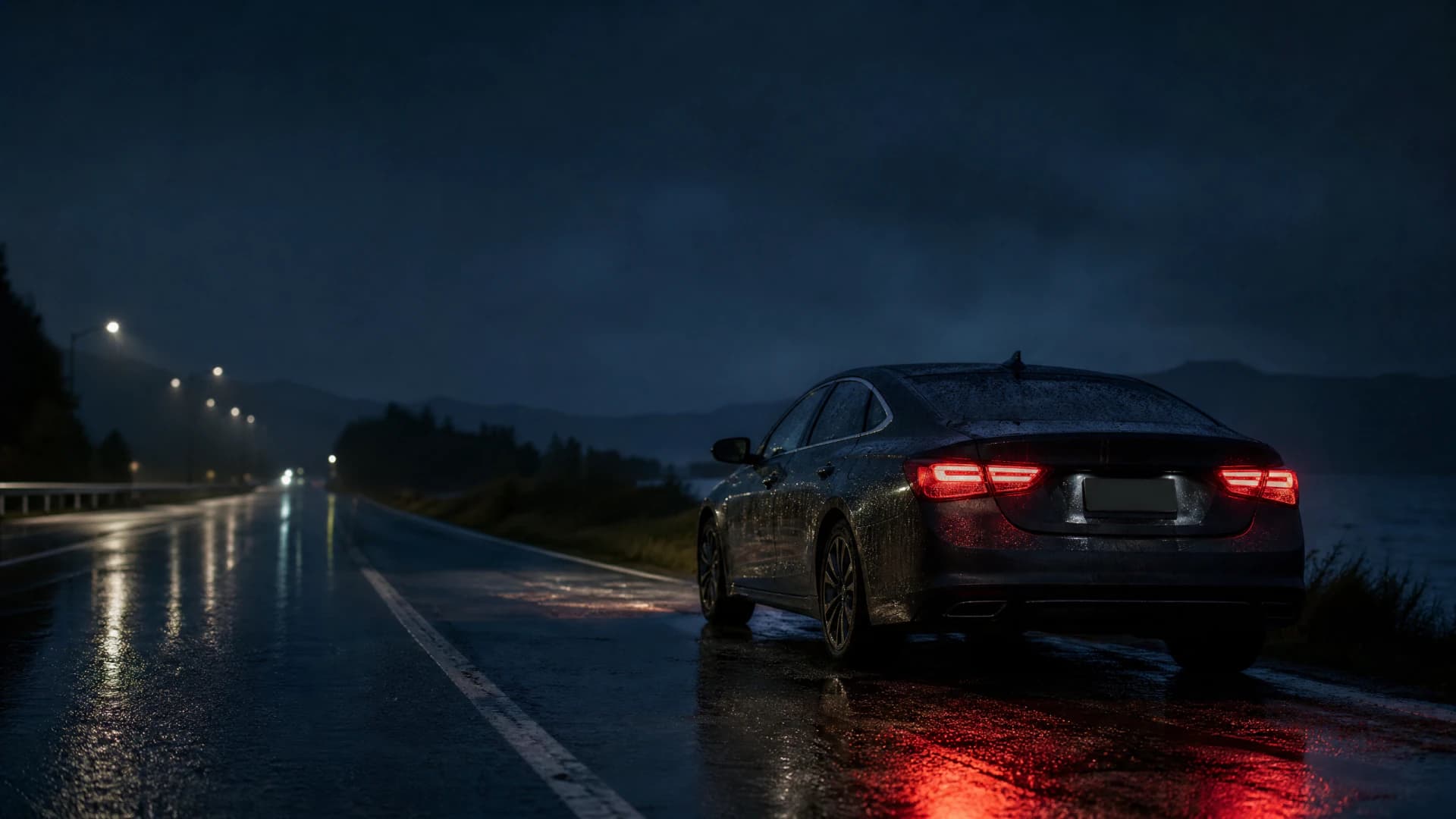
The DMV will not tell you non-owner SR-22 exists. Reinstatement letters list SR-22 as required but never explain the non-owner pathway — you must ask carriers directly.


When Non-Owner SR-22 Does Not Apply
Non-owner SR-22 does not work if you own a vehicle registered in your name. California carriers will not issue a non-owner policy if DMV records show an active vehicle registration under your driver's license number. If you own a car but it's not drivable or is stored off-road, you must either register it as non-operational with the DMV or transfer title before a carrier will write a non-owner policy.
If you live with a household member who owns a vehicle and you have regular access to it, most carriers require you to be listed as a rated driver on that household policy rather than purchasing a separate non-owner policy. State Farm and GEICO enforce household exclusion rules: if you reside at the same address as a vehicle owner, you cannot buy a non-owner policy unless you sign an exclusion on the household policy stating you will never drive that vehicle. Bristol West and The General have looser household rules and may write non-owner policies without requiring exclusions.
Non-owner policies also do not satisfy reinstatement requirements if your suspension was triggered by an uninsured accident under California Vehicle Code §16070. In those cases, the DMV requires proof of insurance covering the specific vehicle involved in the accident, not a non-owner policy. You must either reinstate insurance on the vehicle you were driving at the time of the accident or file a bond covering the claim amount before the DMV will accept SR-22 filing.
$55
California License Reissue Fee
After the DMV receives your SR-22 filing and verifies it meets reinstatement requirements, you pay a $55 reissue fee under California Vehicle Code §14904. This is separate from the SR-22 filing fee your carrier charges. The reissue fee applies to most suspension types and is non-refundable.
California Vehicle Code §14904
Maintaining Coverage Through the Filing Period
California requires continuous SR-22 filing for 3 years from your reinstatement date. If your non-owner policy lapses for any reason — missed payment, cancellation, non-renewal — the carrier electronically notifies the DMV within 24 hours and your license is automatically re-suspended. There is no grace period. Reinstatement after a lapse requires purchasing a new policy, filing a new SR-22, paying the $55 reissue fee again, and potentially serving an additional suspension period depending on how long the lapse lasted.
If you purchase a vehicle during the 3-year SR-22 filing period, your non-owner policy no longer applies. You must switch to a standard auto insurance policy covering the vehicle you now own, and the carrier must transfer your SR-22 filing to the new policy. Most carriers handle this as a policy conversion rather than a cancellation and new purchase, which avoids triggering a lapse notification to the DMV. Contact your carrier before you take possession of a vehicle to ensure the SR-22 filing transfers without interruption.
Compare Carriers Writing Non-Owner SR-22 in California
Not all carriers writing SR-22 in California offer non-owner policies. Progressive, GEICO, State Farm, The General, Dairyland, Bristol West, and National General write non-owner SR-22 policies statewide. Acceptance Insurance, Infinity, and Kemper write SR-22 but do not offer non-owner options as of current underwriting rules. Premium quotes vary significantly by violation type, age, and county — a 28-year-old driver in Los Angeles with a DUI suspension may pay $35/month with The General and $50/month with Progressive for identical coverage limits.
Request quotes from at least three carriers before binding. Each carrier uses different underwriting models for non-owner policies and SR-22 risk. Some carriers tier premiums based on time since violation: GEICO reduces non-owner SR-22 rates after 12 months of claim-free filing, while Bristol West holds rates flat for the full 3-year period. State Farm offers the lowest published non-owner SR-22 rates in California but underwrites selectively — drivers with multiple violations or recent license suspensions may not qualify.
Filing Process and Carrier Requirements
You purchase a non-owner liability policy from a carrier licensed in California. At binding, you tell the carrier you need SR-22 filing. The carrier generates an SR-22 certificate and transmits it electronically to the California DMV through the state's Electronic Filing System (EFS). You receive a policy ID card and a copy of the SR-22 certificate within 24 hours. The DMV posts the filing to your driver record and mails a confirmation letter within 2–3 business days.
Carriers writing non-owner SR-22 in California include Progressive, GEICO, State Farm, The General, Dairyland, Bristol West, and National General. Not all carriers offer non-owner policies — Allstate and Farmers do not write them in California as of current underwriting guidelines. Underwriting for non-owner policies requires a valid California driver's license number (even if suspended), proof of identity, and payment of the first month's premium plus SR-22 filing fee (typically $15–$25 one-time).
Get Your Free Quote
Get My California Suspended License Insurance QuoteFrequently Asked Questions
Can I get SR-22 in California without owning a car?
Yes. Non-owner SR-22 policies provide liability coverage when you drive borrowed or rental vehicles and satisfy California's SR-22 filing requirement without vehicle ownership. Carriers transmit the SR-22 certificate electronically to the DMV within 48 hours of policy binding.
How much does non-owner SR-22 cost in California?
Non-owner SR-22 policies in California typically cost $25–$45 per month for drivers with DUI violations. This is significantly lower than standard SR-22 policies covering an owned vehicle, which average $85–$140 per month.
Which California carriers write non-owner SR-22 policies?
Progressive, GEICO, State Farm, The General, Dairyland, Bristol West, and National General all write non-owner SR-22 policies in California. Allstate, Farmers, and several non-standard carriers do not offer non-owner options as of current underwriting guidelines.
How long does California require SR-22 filing after a DUI?
California requires SR-22 filing for 3 years from your reinstatement date for DUI suspensions. The 3-year period begins when the DMV reinstates your license, not when you file SR-22. If your policy lapses during the 3 years, your license is re-suspended and the period may restart.
What happens if my non-owner SR-22 policy lapses in California?
If your non-owner SR-22 policy lapses, the carrier electronically notifies the California DMV within 24 hours and your license is automatically re-suspended. Reinstatement requires purchasing a new policy, filing a new SR-22, and paying the $55 reissue fee again.
Can I switch from non-owner SR-22 to a standard policy if I buy a car?
Yes. Contact your carrier before taking possession of the vehicle to convert your non-owner policy to a standard auto policy. The carrier will transfer your SR-22 filing to the new policy without triggering a lapse notification to the DMV.