
Non-Owner SR-22 Insurance Without a Car — California
Free to compare
The Non-Owner SR-22 Reality Most Suspended Drivers Miss
Your license was suspended in California after a DUI or negligent operator action, and you sold your car or never owned one to begin with. The DMV reinstatement letter says you need SR-22 insurance filed for three years, but every carrier you call wants a vehicle on the policy. You're stuck in a structural catch: the state requires proof of insurance to reinstate, but you have nothing to insure.
The blocker is not lack of a car. It's lack of knowledge that non-owner SR-22 policies exist specifically for suspended drivers without vehicles. California Vehicle Code §16070 requires proof of financial responsibility during suspension, and a non-owner SR-22 satisfies that mandate just as completely as a standard policy. The DMV does not distinguish between the two filings — both trigger the same electronic notification to your license record, and both count toward your three-year requirement from the reinstatement date.
“Non-owner SR-22 satisfies California's three-year filing mandate exactly the same as a standard policy — DMV makes no distinction between the two.”

Get Insured and Get Your California License Back
Get My California Suspended License Insurance Quote$25–$50/mo
Non-Owner SR-22 Premium Range
Non-owner SR-22 policies in California typically cost $25 to $50 per month for state minimum liability limits ($15,000/$30,000/$5,000). This is 40–60% lower than standard SR-22 policies with a vehicle because the carrier assumes no collision or comprehensive risk. The filing fee itself is typically $15–$25, paid once at policy inception.
California Department of Insurance, carrier rate filings 2024
What Non-Owner SR-22 Actually Covers
A non-owner SR-22 policy provides liability coverage when you drive a vehicle you do not own. This includes borrowed cars, rental vehicles, and employer-owned vehicles driven for personal errands. The policy follows you, not a specific vehicle. California requires minimum liability limits of $15,000 per person for bodily injury, $30,000 per accident for bodily injury, and $5,000 for property damage. Your non-owner policy must meet or exceed these minimums.
The SR-22 certificate itself is not insurance. It is a financial responsibility filing your carrier submits electronically to the DMV certifying that you maintain continuous liability coverage. The DMV adds the SR-22 flag to your driver record and tracks the filing status. If the policy lapses or cancels, the carrier must notify DMV within 15 days under California Insurance Code §1875, and DMV immediately re-suspends your license.
Non-owner SR-22 does not cover vehicles you own, vehicles registered in your name, or vehicles available for your regular use — for example, a household member's car you drive daily. If you live with someone who owns a car, most carriers will require that vehicle to be listed on a standard policy with you as a named driver, not covered under a non-owner policy. The carrier underwrites this strictly because non-owner policies assume occasional use, not regular access to a specific vehicle.
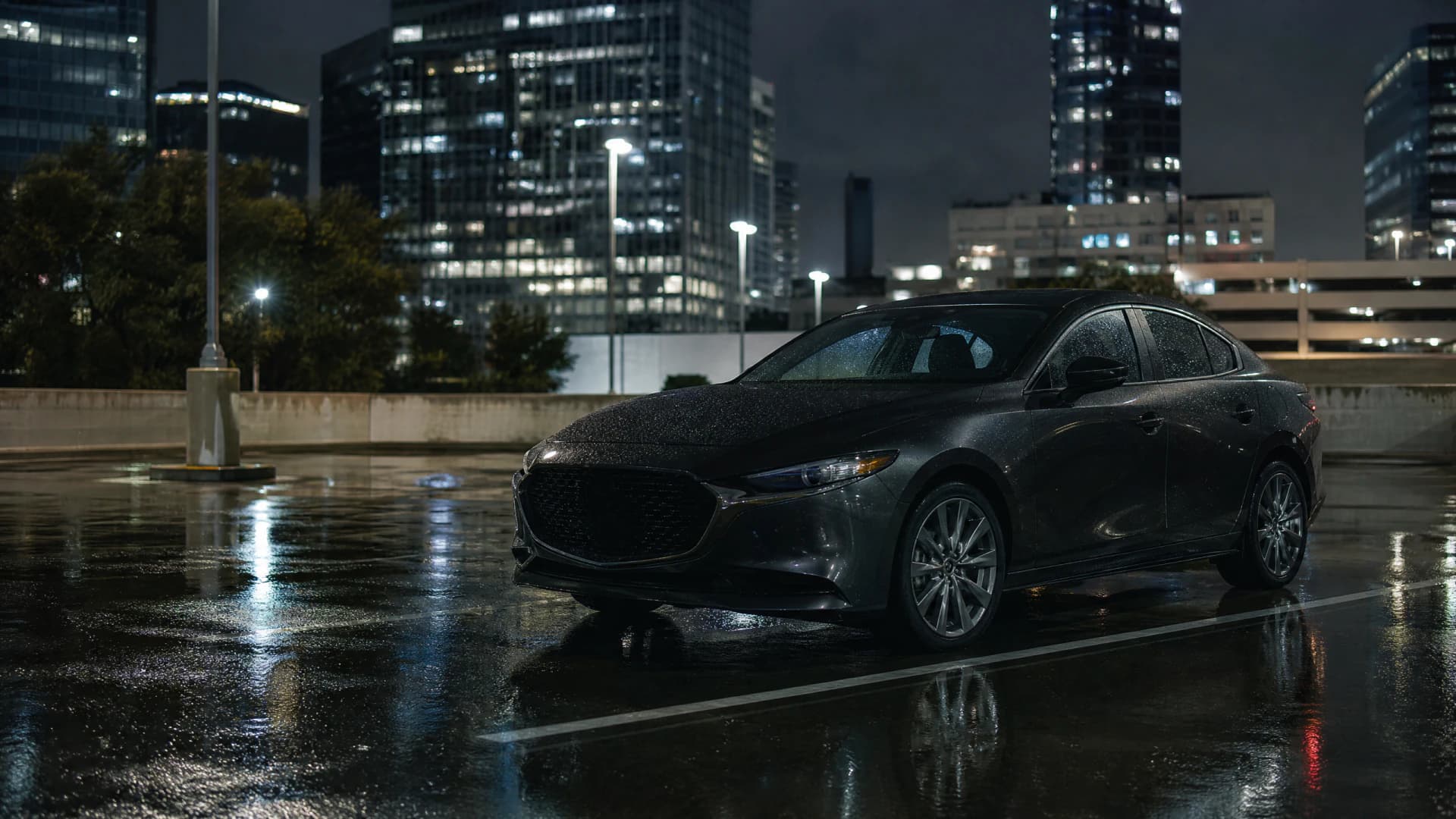
Non-owner SR-22 will not work if you own a vehicle, have a car registered in your name, or live with someone whose car you drive regularly. Carriers reject these applications or cancel mid-term when discovered.

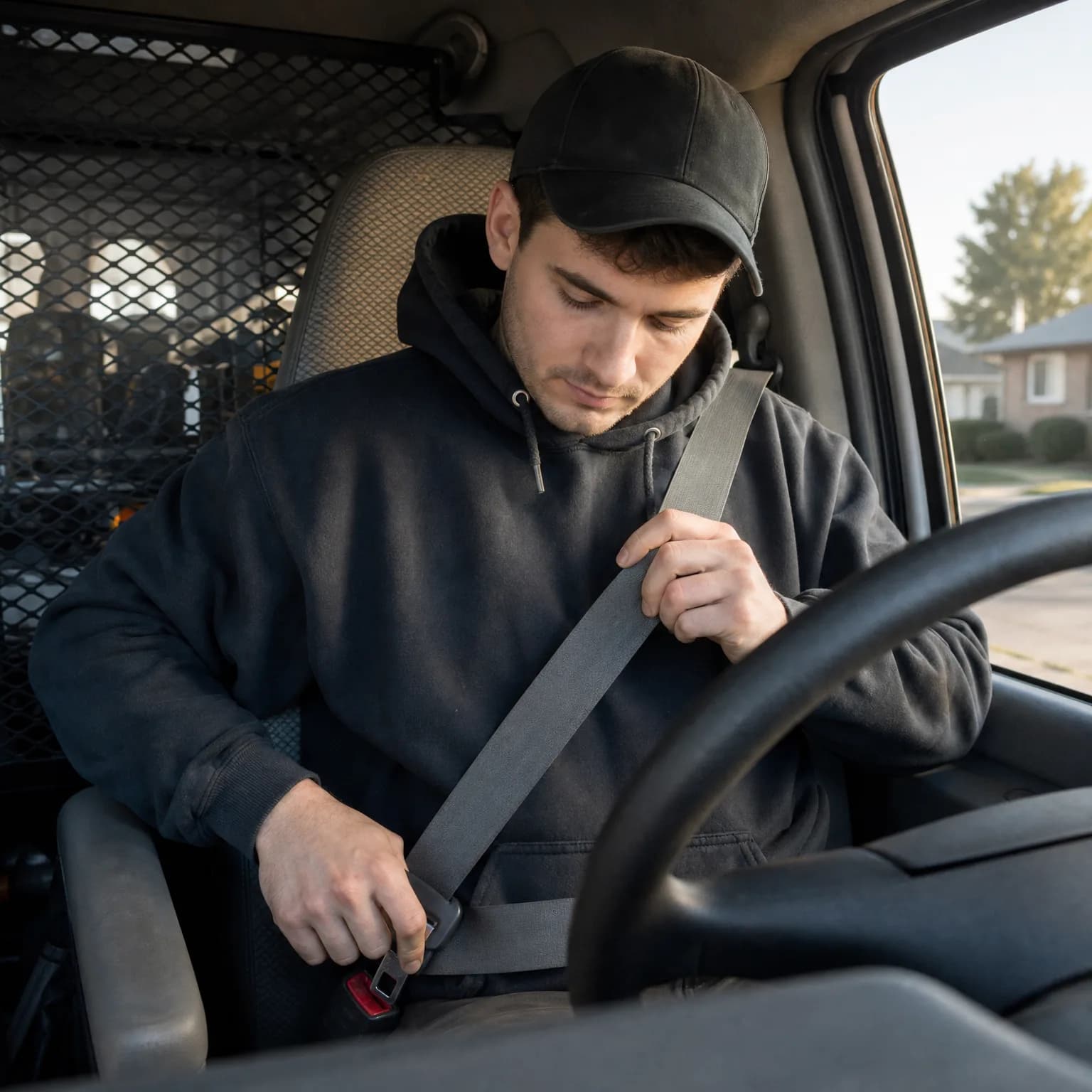

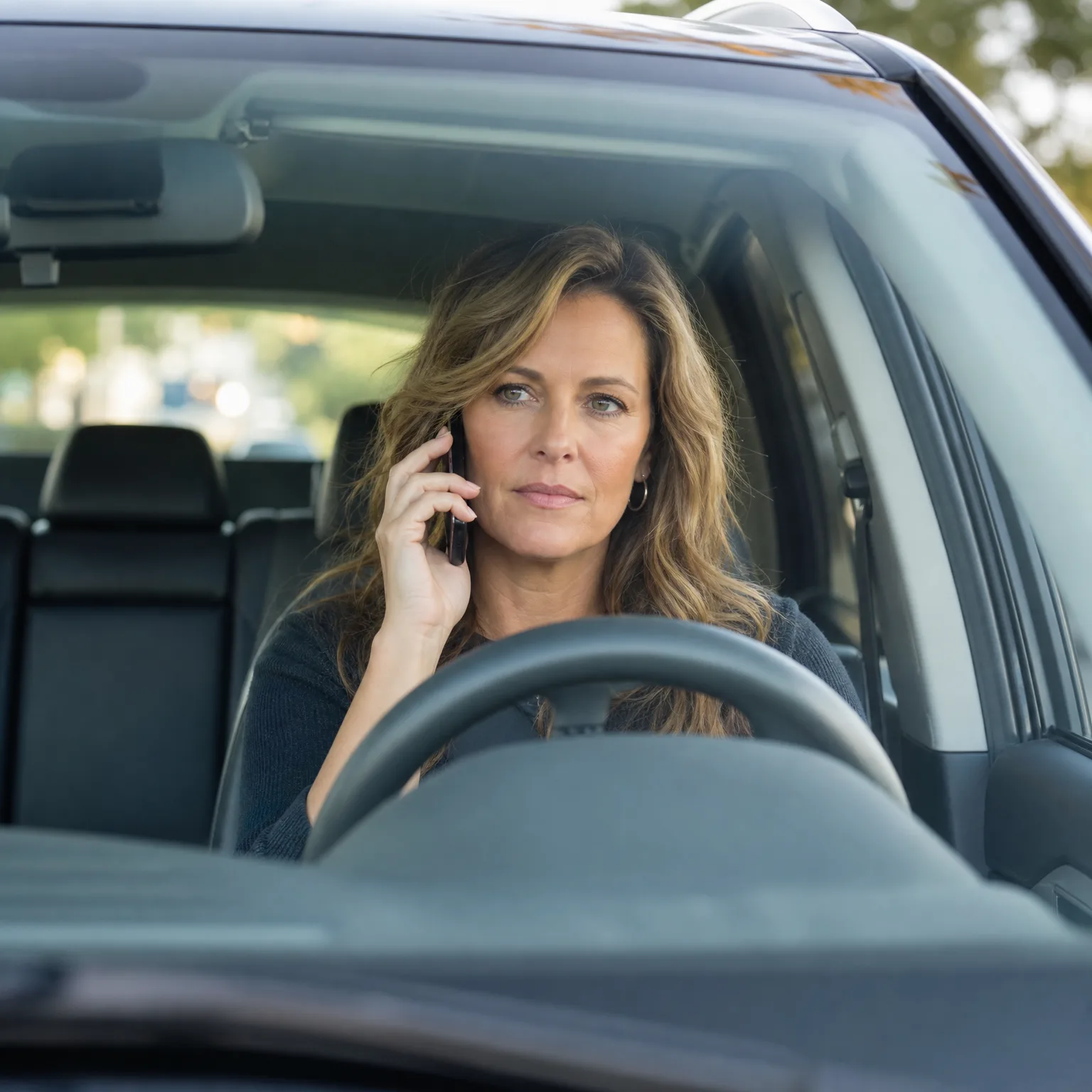
Restricted License Eligibility With Non-Owner SR-22
California's restricted license program allows limited driving during suspension for work commute, DUI treatment program attendance, and employment-related driving. Restricted licenses are available for DUI-triggered suspensions and negligent operator suspensions under Vehicle Code §13353.3 and §12810. The restricted license requires SR-22 filing before DMV will issue it. Non-owner SR-22 satisfies this requirement — you do not need to own a vehicle to qualify for a restricted license.
The restricted license application requires proof of SR-22 on file, completion of DUI program enrollment (for DUI cases), payment of the $125 restricted license reissue fee, and installation of an ignition interlock device for DUI-related suspensions under AB 91 rules implemented January 1, 2019. The IID requirement applies even if you do not own a car. You must have an IID installed on any vehicle you drive, including borrowed or employer-owned vehicles used under the restricted license terms. Failure to use an IID-equipped vehicle triggers an automatic violation reported to DMV, which revokes the restricted license immediately.
Restricted licenses do not apply to suspensions for failure to appear in court (Vehicle Code §13365) or unpaid fines. These suspension types require full resolution of the underlying court matter before DMV will lift the suspension. No hardship pathway exists for FTA suspensions — the court must clear the failure to appear or the fine must be paid in full. Once cleared, standard reinstatement with SR-22 filing proceeds, but no restricted driving is allowed during the suspension window.
Non-owner SR-22 during a restricted license period covers you when driving a borrowed vehicle to and from work or DUI program. If you borrow a family member's car for your commute, the non-owner policy provides your liability coverage for that trip. The vehicle owner's policy remains primary, but your non-owner policy provides secondary coverage. This structure protects you and the vehicle owner. Most carriers allow this arrangement as long as the borrowed vehicle is not available for your regular use — occasional borrowing for restricted-license purposes is acceptable, but daily use of the same household vehicle requires listing you as a named driver on that vehicle's policy instead.
3 years
California SR-22 Filing Duration
California requires SR-22 filing for three years from the reinstatement date for most DUI and negligent operator suspensions under Vehicle Code §16070. The clock starts when DMV reinstates your license, not when the suspension began. If your SR-22 policy lapses at any point during the three-year period, DMV re-suspends your license immediately and you must refile SR-22 and pay a new reinstatement fee to restore driving privileges. Continuous coverage for the full three years is mandatory.
California Vehicle Code §16074
What Happens After You Buy a Vehicle
When you purchase or register a vehicle during your SR-22 filing period, your non-owner policy no longer applies. California law and carrier underwriting rules require you to convert to a standard auto policy listing the owned vehicle. Contact your carrier immediately when you acquire a vehicle — most will convert your non-owner policy to a standard policy on the same day, maintaining continuous SR-22 filing without a lapse. The SR-22 certificate transfers to the new policy automatically in most cases.
Failing to report vehicle acquisition to your carrier triggers a coverage gap. If you drive the newly acquired vehicle under a non-owner policy, the carrier will deny any claim because non-owner policies explicitly exclude owned vehicles. Worse, if the carrier discovers the vehicle post-acquisition and cancels your non-owner policy for misrepresentation, DMV receives a cancellation notice and re-suspends your license. The three-year SR-22 clock does not pause during re-suspension — you lose time and must pay another reinstatement fee to restore driving privileges. Report vehicle purchases within 24 hours to avoid this outcome.
Compare Non-Owner SR-22 Carriers Now
Premiums for non-owner SR-22 vary by 40–60% between carriers writing this coverage in California. Progressive, GEICO, Dairyland, The General, and State Farm all write non-owner SR-22 policies for suspended drivers, but each uses different underwriting models for risk classification. A driver quoted $50/month by one carrier may receive a $28/month quote from another for identical coverage limits. The SR-22 filing itself is identical across carriers — DMV does not distinguish between filings from different companies — so the only variable that matters is monthly cost and the carrier's claims service reputation.
Request quotes from at least three carriers before committing. Provide your driver license number, suspension trigger (DUI, negligent operator, uninsured driving), suspension start and end dates, and confirm you do not own a vehicle and do not have regular access to a household vehicle. Misrepresenting vehicle access at application leads to policy cancellation and re-suspension later. Get a non-owner SR-22 policy in force, verify the filing posts to DMV, and start your reinstatement or restricted license process within the week.
The Three-Step Non-Owner SR-22 Filing Process
Step one: contact a carrier licensed in California that writes non-owner SR-22 policies. Not all carriers write non-owner coverage, and standard-market carriers often decline suspended drivers entirely. Carriers confirmed to write non-owner SR-22 in California as of current data include Progressive, GEICO, Dairyland, The General, and State Farm. Bristol West and Infinity write non-owner policies but often route these through brokers rather than direct online quotes. Request a non-owner liability policy with SR-22 filing at application. The carrier generates the policy, collects the first month's premium plus the SR-22 filing fee, and electronically files the SR-22 certificate with DMV the same business day in most cases.
Step two: verify the SR-22 filing reached DMV before proceeding with reinstatement. The carrier's electronic filing typically posts to your DMV driver record within one to three business days. Log into your MyDMV account or call DMV's automated SR-22 verification line at 916-657-6525 to confirm the filing shows as active on your record. Do not pay the reinstatement fee or schedule a DMV appointment until this verification completes — DMV will reject incomplete reinstatement applications and you will lose the $55 reissue fee. Once verified, pay the reinstatement fee online through MyDMV or in person at a field office, submit any additional required documentation (DUI program completion certificate if applicable, ignition interlock device verification for DUI cases under Vehicle Code §13353.7), and DMV processes reinstatement within two to five business days for non-DUI cases, longer for DUI-triggered suspensions requiring IID compliance review.
Get Your Free Quote
Get My California Suspended License Insurance QuoteFrequently Asked Questions
Can I get SR-22 insurance in California without owning a car?
Yes. Non-owner SR-22 policies provide liability coverage and satisfy California's SR-22 filing requirement for suspended drivers who do not own a vehicle. The policy covers you when driving borrowed or rental vehicles. Progressive, GEICO, Dairyland, The General, and State Farm write non-owner SR-22 in California. Premiums typically range from $25 to $50 per month for state minimum liability limits.
How long does non-owner SR-22 filing take to show up at California DMV?
Carriers file SR-22 certificates electronically with California DMV the same business day in most cases. The filing typically posts to your driver record within one to three business days. Verify the filing appears on your DMV record by logging into MyDMV or calling 916-657-6525 before paying the reinstatement fee. DMV will reject reinstatement applications if the SR-22 filing is not on file.
Do I need a non-owner SR-22 policy for the full three years in California?
Yes. California requires continuous SR-22 filing for three years from your reinstatement date for most DUI and negligent operator suspensions. If your non-owner policy lapses or cancels at any point during the three years, DMV re-suspends your license immediately. The three-year clock does not pause during re-suspension. Maintain continuous coverage for the full period to avoid additional reinstatement fees and extended suspension time.
Can I get a California restricted license with a non-owner SR-22 policy?
Yes. Non-owner SR-22 satisfies the SR-22 filing requirement for California restricted licenses. You do not need to own a vehicle to qualify for a restricted license. DUI-related restricted licenses also require ignition interlock device installation on any vehicle you drive, including borrowed vehicles. Apply for the restricted license after verifying your SR-22 filing is active on your DMV record.
What happens to my non-owner SR-22 when I buy a car in California?
You must convert to a standard auto policy listing the owned vehicle immediately. Non-owner SR-22 policies exclude vehicles you own or have registered in your name. Contact your carrier the same day you acquire a vehicle — most will convert your policy and transfer the SR-22 filing without a lapse. Driving an owned vehicle under a non-owner policy voids coverage and risks license re-suspension if the carrier cancels for misrepresentation.
Does non-owner SR-22 cover me when I borrow someone else's car in California?
Yes. Non-owner SR-22 provides liability coverage when you drive a borrowed vehicle. The vehicle owner's policy remains primary, and your non-owner policy provides secondary coverage. This structure is acceptable for occasional borrowing, but if you drive the same household vehicle daily, carriers require you to be listed as a named driver on that vehicle's standard policy instead of holding a non-owner policy.
How much does non-owner SR-22 insurance cost in California after a DUI?
Non-owner SR-22 policies in California typically cost $25 to $50 per month for state minimum liability limits after a DUI suspension. The SR-22 filing fee itself is $15 to $25, paid once at policy inception. Premiums vary by 40–60% between carriers based on your driving record, age, and suspension trigger. Request quotes from at least three carriers — Progressive, GEICO, Dairyland, The General, and State Farm all write non-owner SR-22 for suspended drivers.