
Non-Owner SR-22 After Selling Your Car — California
Free to compare
The Post-Sale SR-22 Trap California Suspended Drivers Face
You sold your car three months into your California DUI suspension. The insurance bills stopped. The registration notice never came. You assumed the SR-22 filing requirement ended when you transferred the title. Then you contacted the DMV to check your reinstatement status and discovered your SR-22 filing lapsed the day your standard policy canceled—resetting your entire three-year filing clock back to zero.
California Vehicle Code Section 16070 requires continuous SR-22 filing for the full duration specified by the DMV, regardless of whether you currently own, lease, register, or operate a vehicle. The filing proves financial responsibility to the state. It does not prove you insure a specific car. When you sell your vehicle and cancel your standard auto policy, your SR-22 filing cancels with it unless you immediately replace it with a non-owner SR-22 policy. Most suspended drivers discover this gap only after the DMV sends a notice extending their suspension for filing lapse.
“California restarts your entire three-year SR-22 filing period from the lapse date if your policy cancels for any reason.”

Get Insured and Get Your California License Back
Get My California Suspended License Insurance Quote$125
CA License Reissue Fee After Reinstatement
California charges a $55 base reissue fee under Vehicle Code Section 14904, plus additional administrative fees that bring the total to approximately $125 for most DUI-related suspensions. This fee is due before the DMV will restore your license, separate from any SR-22 filing costs.
California Vehicle Code §14904
What Non-Owner SR-22 Actually Covers
A non-owner SR-22 policy provides liability coverage when you drive a vehicle you do not own. The policy follows you, not a specific car. It covers bodily injury and property damage you cause while driving a borrowed vehicle, a rental, or a car owned by a family member or employer. California's minimum liability requirements apply: $15,000 per person for bodily injury, $30,000 per accident, and $5,000 for property damage.
The policy does not cover damage to the vehicle you are driving. It does not cover your own injuries. It does not provide collision or comprehensive coverage. The sole function is to satisfy California's financial responsibility proof requirement while you do not own a vehicle. The SR-22 certificate attached to the policy is filed electronically with the DMV by your insurance carrier, meeting the state's continuous-filing mandate.
Most California non-owner SR-22 policies cost between $25 and $45 per month for drivers with a single DUI suspension and no other violations. Rates increase if you have multiple DUI convictions, at-fault accidents during the suspension period, or additional points on your driving record. Carriers writing non-owner SR-22 in California include Geico, Progressive, State Farm, Dairyland, The General, and Bristol West.
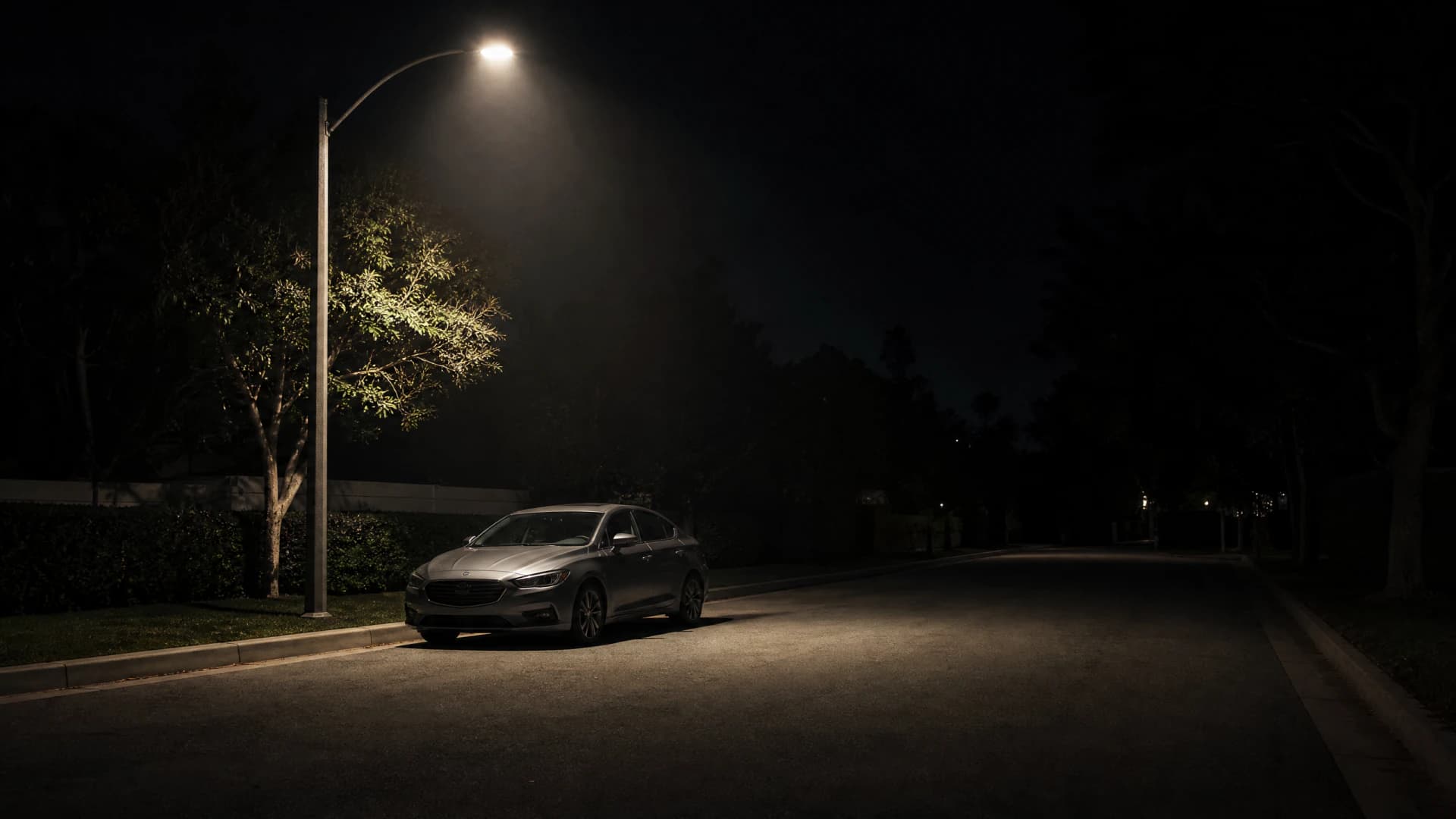
If your SR-22 filing lapses for any reason—including selling your car and canceling your policy—California restarts your entire three-year filing period from the lapse date.
Related Articles



Non-Owner SR-22 Versus Standard SR-22 Cost
Non-owner SR-22 policies cost significantly less than standard owner SR-22 policies because the carrier assumes lower risk. You are not insuring a specific vehicle with collision or comprehensive exposure. The policy only covers liability when you drive a borrowed or rental car. California non-owner SR-22 policies typically range from $300 to $540 annually, compared to $1,200 to $2,400 annually for a standard SR-22 policy on an owned vehicle.
The cost difference makes non-owner SR-22 the optimal choice for suspended drivers who sold their vehicle and do not plan to purchase another car during the filing period. If you expect to buy a car within six months, some carriers allow you to start with non-owner coverage and convert to owner coverage mid-term without restarting the SR-22 filing clock, but you must confirm this option with your carrier before purchasing the non-owner policy.
3 years
California SR-22 Filing Duration DUI
California requires SR-22 filing for three years from the reinstatement date for most DUI-related suspensions under Vehicle Code Section 16070. The three-year period begins when the DMV receives your SR-22 certificate and you pay the reissue fee, not from your conviction date or suspension start date.
California Vehicle Code §16070
Restricted License Eligibility With Non-Owner SR-22
California allows first-offense DUI drivers to apply for a restricted license after completing a 30-day hard suspension period, but the restricted license requires SR-22 filing and ignition interlock device installation under AB 91. If you sold your car and do not currently own a vehicle, you can still obtain the restricted license by filing non-owner SR-22, but the IID requirement creates a practical barrier: you must install the IID in any vehicle you plan to drive, including borrowed vehicles.
Most suspended drivers who sold their car and file non-owner SR-22 skip the restricted license option and wait out the full suspension period instead. The restricted license only allows driving to and from work, to and from a DUI treatment program, and within the scope of employment. If you do not own a vehicle and rely on borrowed cars or rideshare, the restricted license provides limited value. Verify your restricted license eligibility and IID requirements with the California DMV before purchasing non-owner SR-22 coverage.
Start Non-Owner SR-22 Filing Now
If you sold your car during your California suspension and let your SR-22 filing lapse, contact a carrier writing non-owner SR-22 today to restart the filing. The three-year clock does not begin until the DMV receives your new SR-22 certificate. Every day without filing extends your suspension. Request quotes from multiple carriers—non-owner SR-22 rates vary by $15 to $30 per month depending on carrier risk models and your violation history. Compare carriers licensed in California to find the lowest monthly premium that meets the state's liability minimums and continuous-filing requirement.
How to File Non-Owner SR-22 Without a Vehicle
Contact carriers that write non-owner policies in California and request a non-owner SR-22 quote. Provide your driver license number, suspension notice details, and the filing duration the DMV specified in your reinstatement requirements letter. The carrier will issue a non-owner liability policy with SR-22 certificate attached. Most carriers file the SR-22 electronically with the California DMV within one to three business days. You will receive a copy of the SR-22 certificate by email or mail as proof of filing.
You must maintain the non-owner SR-22 policy without lapse for the full three-year period California requires. If you later purchase a vehicle during the SR-22 filing window, you must convert your non-owner policy to a standard owner policy and ensure the SR-22 certificate transfers without gap. Any lapse—even one day—triggers a DMV suspension extension and restarts the three-year clock. Set up automatic payment to prevent accidental cancellation due to missed premium.
Get Your Free Quote
Get My California Suspended License Insurance QuoteFrequently Asked Questions
Can I drive without insurance if I sold my car during a California suspension?
No. California requires continuous SR-22 filing for the full suspension period regardless of vehicle ownership. If you sold your car, you must file non-owner SR-22 to meet the state's financial responsibility requirement. Driving without SR-22 on file is illegal and extends your suspension.
How much does non-owner SR-22 cost in California per month?
Non-owner SR-22 policies in California typically cost $25 to $45 per month for drivers with a single DUI suspension. Rates increase if you have multiple violations or at-fault accidents. This is significantly lower than standard SR-22 policies for owned vehicles, which cost $100 to $200 per month.
What happens if I buy a car after filing non-owner SR-22 in California?
You must convert your non-owner SR-22 policy to a standard owner policy and ensure the SR-22 certificate transfers without gap. Contact your carrier immediately when you purchase a vehicle. Any lapse in SR-22 filing—even during the conversion—restarts California's three-year filing clock from the lapse date.
Does non-owner SR-22 cover rental cars in California?
Yes. Non-owner SR-22 policies provide liability coverage when you drive rental cars, borrowed vehicles, or cars owned by family members or employers. The policy does not cover damage to the rental car itself—rental companies offer separate collision damage waivers for that coverage.
Can I get a restricted license in California with non-owner SR-22?
Yes, but California requires ignition interlock device installation for DUI-related restricted licenses under AB 91. If you do not own a vehicle, you must install the IID in any car you plan to drive, including borrowed vehicles. Most drivers without a car skip the restricted license and wait out the full suspension instead.
Which carriers write non-owner SR-22 in California?
Geico, Progressive, State Farm, Dairyland, The General, and Bristol West all write non-owner SR-22 policies in California. Rates vary by carrier and your violation history. Request quotes from multiple carriers to compare monthly premiums and ensure the policy meets California's liability minimums.