Non-Owner SR-22 for Borrowed Cars — California
Free to compare
The Filing vs Coverage Confusion
You received notice from the California DMV that you need SR-22 insurance to reinstate your suspended license. You don't own a car. You found a carrier willing to sell you a non-owner SR-22 policy for $85/month, filed the certificate with DMV, and assumed you could now borrow your roommate's Honda for work commutes. That assumption puts you at risk of driving uninsured under California law.
Non-owner SR-22 policies satisfy California's SR-22 filing requirement — the DMV receives proof you carry liability coverage and removes the suspension hold. But the policy itself provides only liability protection when you drive vehicles you don't own and don't have regular access to. If you live with the vehicle owner or borrow the same car routinely, the non-owner policy excludes coverage. You satisfy the filing. You do not satisfy the insurance requirement while actually driving.
“Non-owner SR-22 satisfies the filing but excludes household vehicles and regular-use cars — you can meet DMV's requirement and still drive uninsured.”
Get Insured and Get Your California License Back
Get My California Suspended License Insurance Quote$125
California Restricted License Fee
California DMV charges $125 for a restricted license application when you're eligible to drive during suspension. Non-owner SR-22 filing must be active before DMV processes the application — the fee is non-refundable if your SR-22 lapses before approval.
California Vehicle Code §14905
What Non-Owner SR-22 Actually Covers
A California non-owner SR-22 policy is a liability-only policy written for drivers who do not own a registered vehicle. It covers bodily injury and property damage you cause while driving someone else's car, up to the state minimum limits: $15,000 per person injured, $30,000 per accident for all injuries, and $5,000 for property damage. The SR-22 certificate attached to the policy notifies DMV that you carry continuous coverage.
The policy excludes vehicles you own, vehicles registered to anyone in your household, and vehicles you use regularly or have consistent access to. If your brother lives at your address and his car is parked in your driveway, his vehicle is excluded. If your employer assigns you a company van for your shift, that vehicle is excluded. The exclusions exist because insurers assume those vehicles should be listed on a standard auto policy with you as a listed driver.
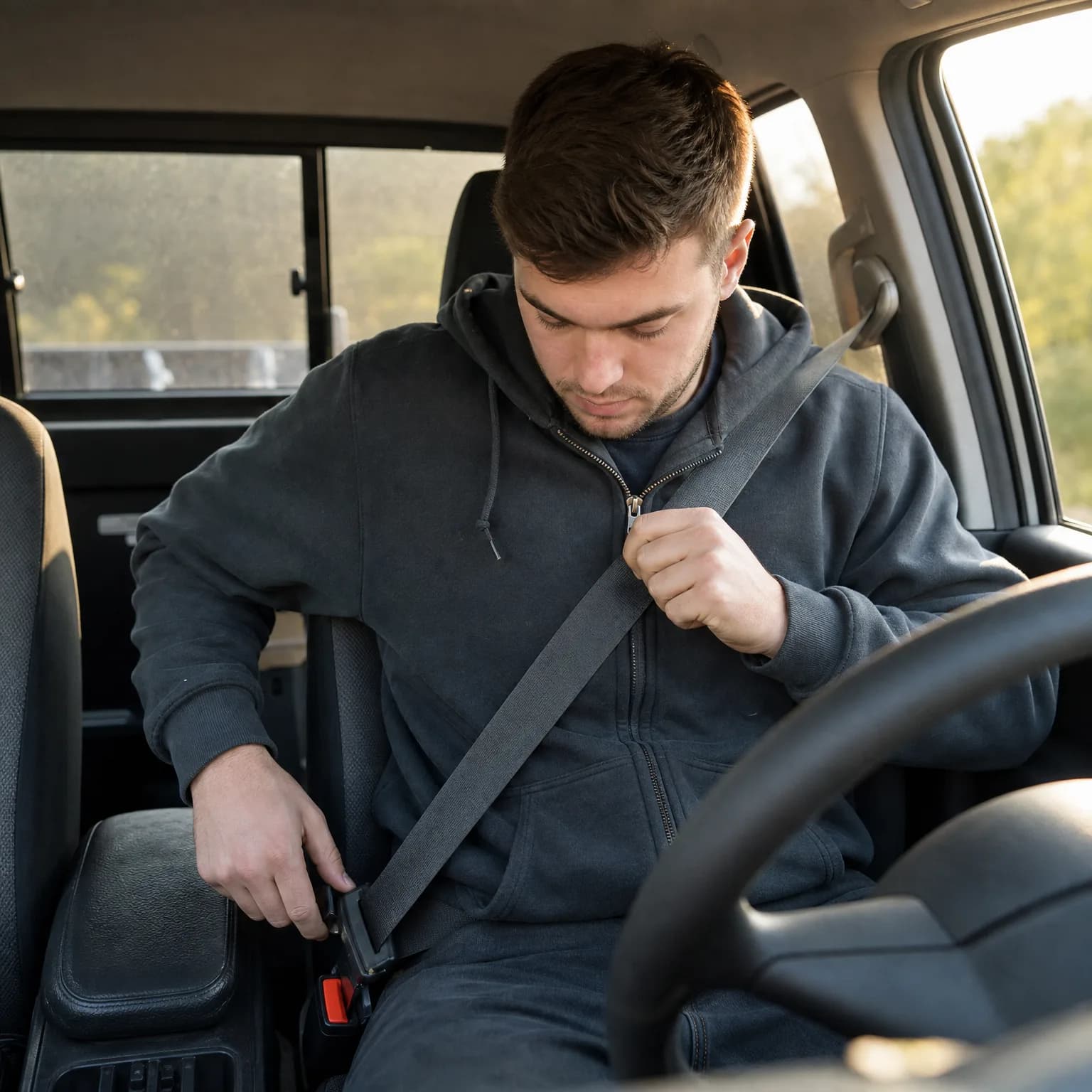
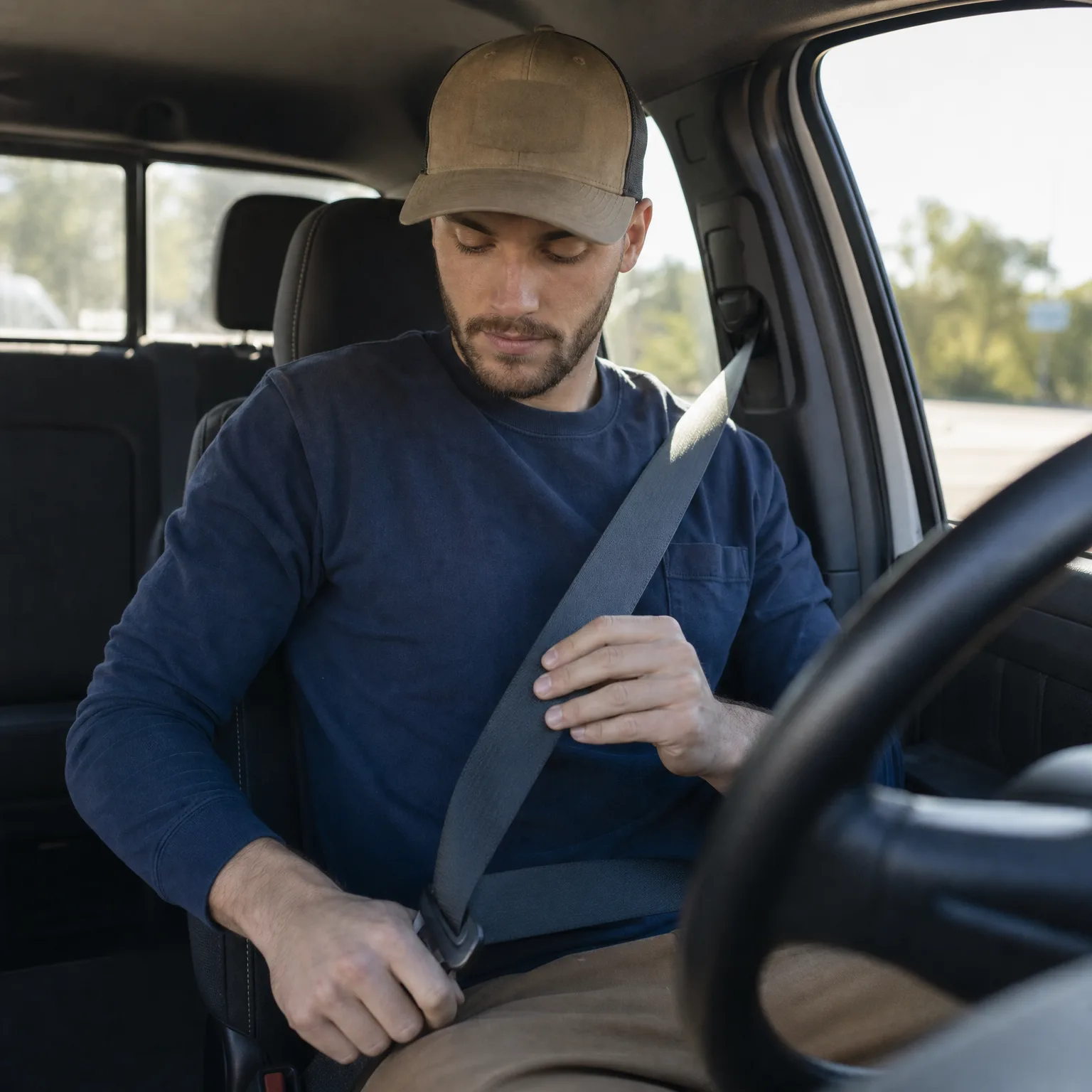
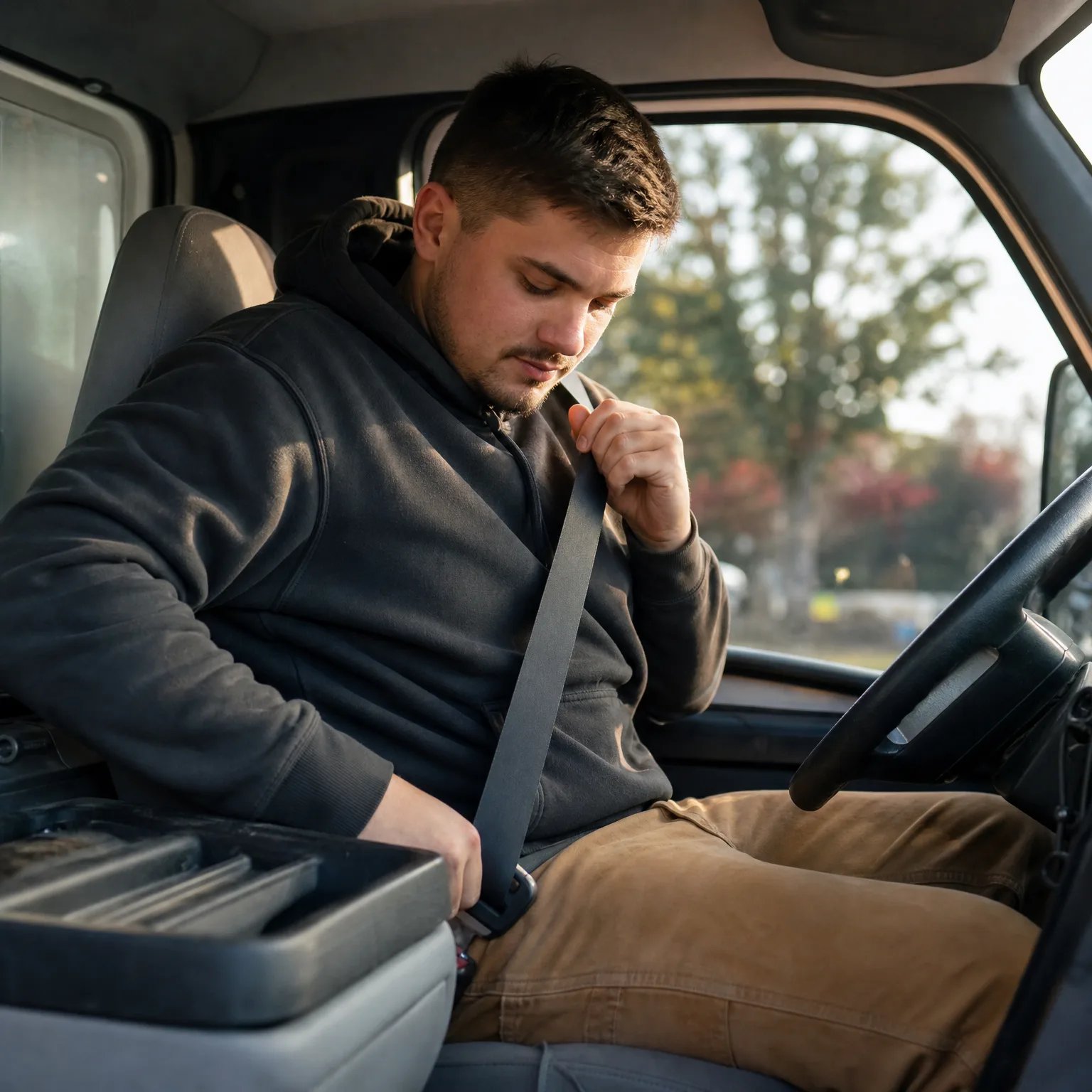
Coverage applies only to occasional use of truly borrowed vehicles — a friend's car for a one-time errand, a rental car on a weekend trip, a coworker's vehicle in an emergency. The policy follows you, not the car. If the vehicle owner's policy denies your claim because you're an excluded driver or the owner has no coverage, your non-owner liability kicks in as excess coverage.
Non-owner SR-22 satisfies California's filing requirement but does not grant automatic permission to drive any borrowed vehicle — household and regular-use exclusions void coverage even when the SR-22 is active.


Getting Actual Coverage for Borrowed Cars
If you need to borrow a specific vehicle regularly during your suspension, the structurally correct path is being added as a listed driver on the vehicle owner's policy. The owner contacts their carrier, provides your license number and SR-22 filing status, and requests you be added. The owner's premium increases — typically $60–$140/month for a suspended-license driver depending on violation history — but coverage is valid. You're no longer an excluded driver. The vehicle is insured when you drive it.
This path requires the vehicle owner's cooperation and financial participation. Many suspended drivers avoid this conversation because they assume the cost is prohibitive or the owner will refuse. The alternative — driving under a non-owner SR-22 while relying on a borrowed household or regular-use vehicle — leaves you uninsured and personally liable. California treats uninsured driving as a misdemeanor under Vehicle Code §16029. A traffic stop results in vehicle impound, a fine starting at $750, and extension of your suspension period.
If being added to the owner's policy is not viable, the fallback is restricting borrowed-vehicle use to genuinely occasional, non-household situations. Borrow different vehicles infrequently. Do not establish a pattern with the same car. Do not borrow vehicles garaged at your residence. The non-owner SR-22 covers those situations. It does not cover the scenario most suspended drivers actually face: needing reliable access to one specific car.
3 years
California SR-22 Filing Period
California requires SR-22 filing for 3 years after reinstatement for most DUI-related suspensions. The clock starts from reinstatement date, not conviction date. A single lapse in coverage during the 3-year period triggers immediate license re-suspension under California Vehicle Code §16074.
California Vehicle Code §16074
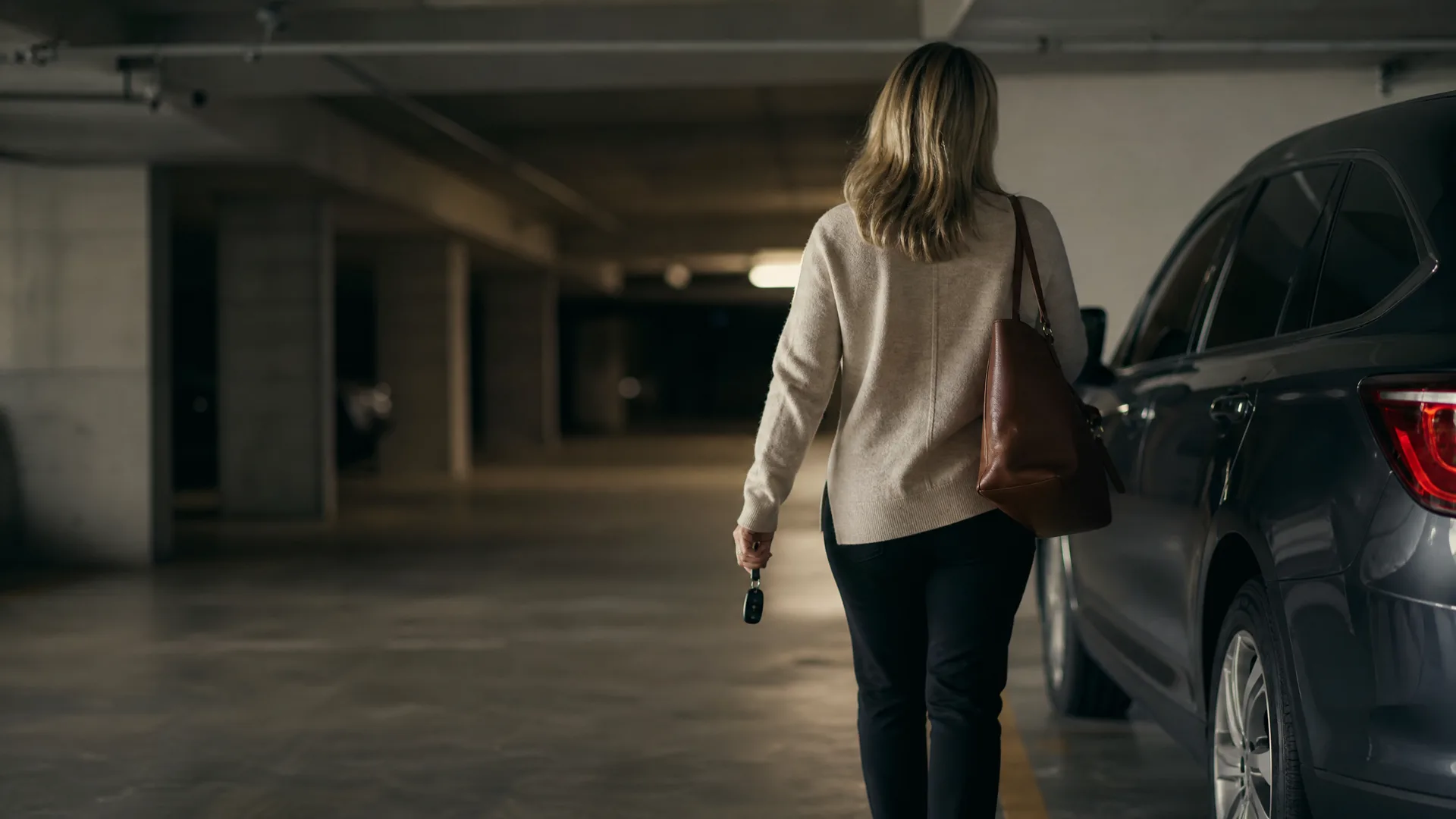
Restricted License and Borrowed Vehicle Rules
California offers a restricted license during suspension for eligible drivers under Vehicle Code §13353.3. The restricted license allows driving to and from work, within the scope of employment, and to and from a DUI treatment program if applicable. You must maintain SR-22 filing throughout the restricted period. If your SR-22 is non-owner, the same household and regular-use exclusions apply — the restricted license grants DMV permission to drive, but it does not override the insurance policy's exclusions.
Restricted license eligibility requires proof of SR-22 filing, completion of DUI program enrollment for DUI-triggered suspensions, payment of the $125 application fee, and installation of an ignition interlock device for most DUI cases. The restricted license does not expand your non-owner SR-22 coverage. If the only vehicle available to you is your spouse's car and your spouse lives at your address, your non-owner policy excludes that vehicle whether you hold a restricted license or a full unrestricted license. DMV permission and insurance coverage are separate layers — both must align for legal driving.
Compare Non-Owner SR-22 Carriers Now
Non-owner SR-22 policies in California range from $85 to $160 per month depending on your violation trigger, county, and the carrier's appetite for suspended-license risk. Not all standard carriers write non-owner policies. Carriers writing non-owner SR-22 in California include Geico, Progressive, State Farm, Dairyland, The General, and Bristol West. Coverage limits, exclusions, and monthly premiums vary. Request quotes from at least three carriers before filing — the SR-22 certificate is free, but switching carriers mid-filing period requires a new filing and potential coverage gap that re-suspends your license. Compare rates and confirm the policy excludes only what you expect it to exclude before you commit.
When Borrowed Vehicle Coverage Fails
The household exclusion voids coverage if you live with the vehicle owner or the vehicle is garaged at your residence. California insurers apply this strictly: if your girlfriend's car is parked overnight at the apartment you share, her vehicle is excluded from your non-owner policy. The insurer assumes she should list you as a driver on her own policy. If you cause an accident in her car, your non-owner SR-22 pays nothing — her policy is primary, and if her policy excludes you or she has no coverage, you're personally liable. This applies even if you only borrow the car once a month.
The regular-use exclusion voids coverage for any vehicle you drive on a recurring schedule, regardless of ownership. If your coworker lets you borrow his truck every Saturday for warehouse pickups, that vehicle becomes excluded after the pattern establishes. Insurers define regular use loosely — three uses in 30 days can trigger the exclusion depending on the carrier. The non-owner policy was priced assuming occasional borrowed-vehicle use, not substitute ownership. Once the pattern appears, the carrier expects you to be listed on the vehicle owner's policy or buy your own standard auto policy.
Get Your Free Quote
Get My California Suspended License Insurance QuoteFrequently Asked Questions
Does non-owner SR-22 insurance cover me when I borrow my roommate's car in California?
No. Non-owner SR-22 policies exclude vehicles owned by anyone living at your residence. If your roommate's car is garaged at your shared address, the policy voids coverage even if the SR-22 filing is active. Your roommate must add you as a listed driver on their own policy for coverage to apply.
Can I drive a borrowed car with a California non-owner SR-22 and restricted license?
The restricted license grants DMV permission to drive for work and DUI program attendance, but your non-owner SR-22 policy still excludes household vehicles and cars you use regularly. DMV permission and insurance coverage are separate — both must be valid. If the borrowed car triggers a policy exclusion, you're driving uninsured regardless of your restricted license status.
What happens if my non-owner SR-22 excludes the car I'm driving and I get pulled over?
California treats driving without valid insurance as a misdemeanor under Vehicle Code §16029. Penalties include vehicle impound, fines starting at $750, and extension of your suspension period. The non-owner SR-22 filing satisfies DMV's proof requirement, but if the policy excludes the specific vehicle you're driving, you have no active coverage at the moment of the stop.
How much does it cost to be added to someone else's auto policy as a suspended driver in California?
Adding a suspended-license driver to an existing California auto policy typically increases the owner's premium by $60–$140 per month depending on your violation history and the carrier's risk tier. This cost is in addition to the owner's base premium. Some carriers refuse to add suspended drivers entirely; others quote rates above $200/month for DUI triggers.
Does non-owner SR-22 cover rental cars in California?
Yes, as long as the rental is occasional and not for regular use. Non-owner SR-22 provides liability coverage when you rent a car for a trip or temporary need. The policy does not cover physical damage to the rental vehicle — you'll need the rental company's collision damage waiver for that. Your non-owner liability applies only to injuries and property damage you cause to others.
Can I switch non-owner SR-22 carriers in California without losing my filing?
Yes, but the transition must be seamless. Your new carrier must file the SR-22 certificate with DMV before your old policy cancels. Any gap in SR-22 filing — even one day — triggers automatic license re-suspension under California Vehicle Code §16074. Coordinate the effective dates with both carriers and confirm DMV receipt before canceling the old policy.