
No Upfront Cost SR-22 Insurance After DUI — California
Free to compare
The Upfront Cost Confusion California DUI Filers Face
You were arrested for DUI in California, finished your DMV hearing, enrolled in the required DUI program, and now the DMV says you can apply for a restricted license once they receive SR-22 proof of insurance. You call carriers asking for no-upfront-cost coverage and get quoted $200–$400 due at binding. Another carrier advertises zero down but then tells you the policy won't activate until the first payment clears. You need the SR-22 filed this week to start the restricted license clock, but you don't have $300 sitting in your account.
The structural reality: California law requires carriers to receive at least the first month's premium before they electronically file the SR-22 certificate with the DMV. No carrier can file SR-22 before payment clears because the filing itself is the legal proof that coverage is active. What changes across carriers is whether they require that first month paid in one lump sum at binding or allow it split into weekly installments. When a carrier advertises no upfront cost, they mean the latter — you pay the first week now, the SR-22 files immediately, and the remaining three weeks bill over the next 21 days.
“Missing a single weekly installment cancels your policy and notifies the DMV within 24 hours — your restricted license is suspended immediately.”

Get Insured and Get Your California License Back
Get My California Suspended License Insurance Quote$125
CA DUI Restricted License Fee
California charges a $125 reissue fee when you apply for a restricted license after a DUI suspension, separate from the SR-22 insurance cost. This fee is due at the DMV when you submit your restricted license application and proof of SR-22 filing.
California Vehicle Code §14904
What First Month Premium Actually Means for SR-22 Filing
SR-22 is not a separate insurance product. It is a certificate filed by your auto insurance carrier notifying the California DMV that you now carry at least the state minimum liability coverage: $15,000 per person for bodily injury, $30,000 per accident, and $5,000 property damage. The carrier cannot file that certificate until your policy is active, and California law treats a policy as active only once the first payment clears.
Carriers that require full first-month payment upfront collect $140–$220 at binding depending on your county, driving record, and vehicle. That payment activates the policy immediately and triggers the electronic SR-22 filing to the DMV within 1–2 business days. Carriers offering installment plans allow you to split that first month into four weekly payments of $35–$55 each. You pay the first week at binding, the policy activates, the SR-22 files, and the remaining three weeks auto-draft from your bank account or debit card on the scheduled dates.
The DMV receives the SR-22 filing electronically as soon as the carrier submits it — usually the same business day if you bind before 3 PM Pacific, next business day otherwise. Once the DMV processes the filing (typically 2–5 business days), your eligibility for a restricted license begins. Missing any of the three follow-up weekly payments after the initial installment triggers an immediate lapse notice to the DMV, which suspends your restricted license and restarts your SR-22 clock from zero.
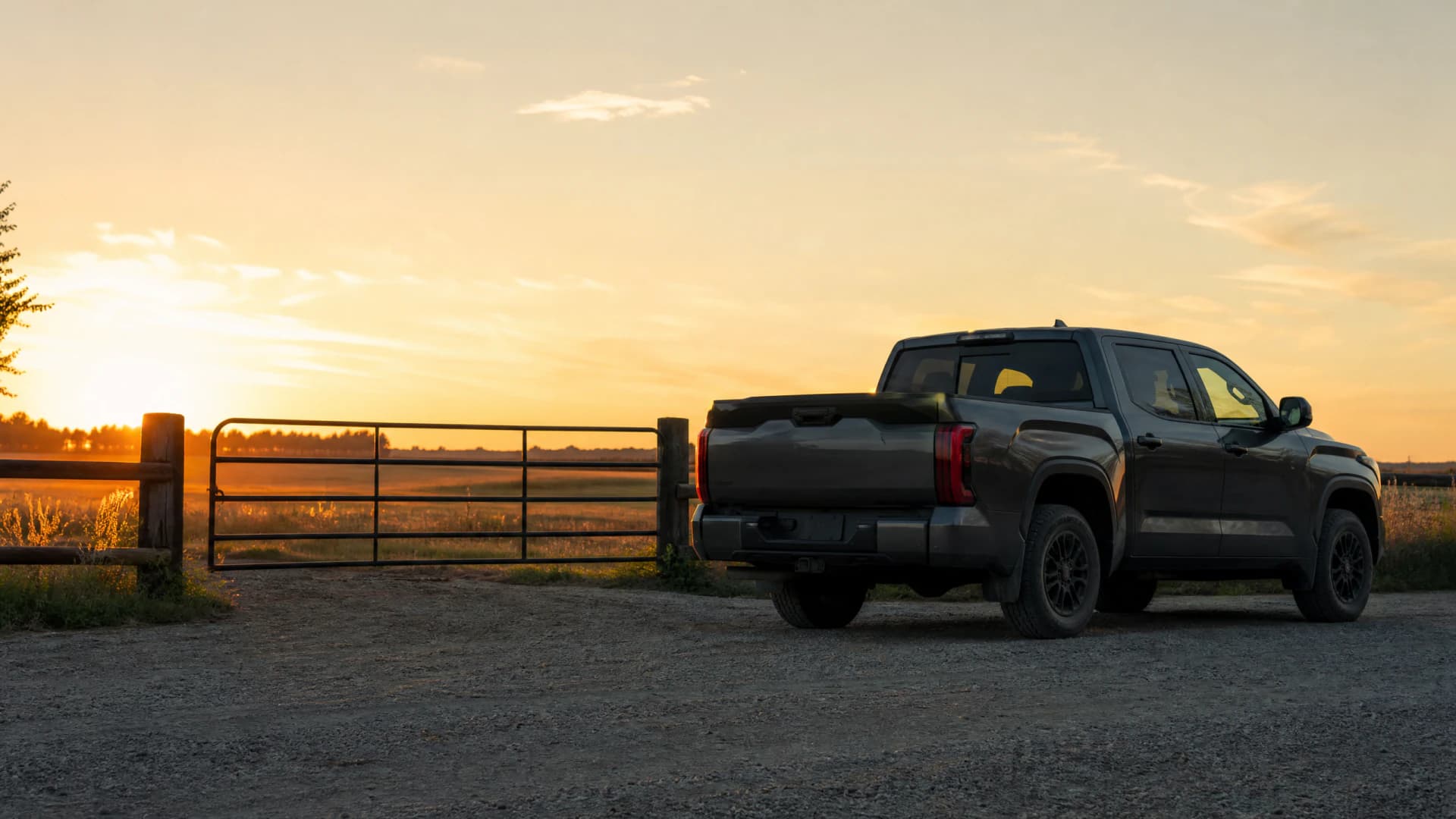
Missing a single weekly installment after SR-22 files cancels your policy and notifies the DMV within 24 hours — your restricted license is suspended immediately and you start over.




What Happens If You Miss an Installment Payment
California insurance regulations require carriers to notify the DMV within one business day when an SR-22 policy cancels for nonpayment. The DMV processes that cancellation notice within 24–72 hours and immediately suspends any restricted license tied to that SR-22 filing. You receive a suspension notice by mail, but the suspension is effective as soon as the DMV processes the carrier's cancellation report — not when you receive the letter.
If you were driving under a restricted license when the cancellation processed, any traffic stop after that moment treats you as driving on a suspended license, which is a misdemeanor in California under Vehicle Code §14601. The restricted license does not automatically reinstate once you make the missed payment. You must purchase a new SR-22 policy, wait for the new filing to reach the DMV, pay a $125 reissue fee again, and reapply for the restricted license. The three-year SR-22 maintenance period restarts from the new filing date.
Carriers do not offer grace periods for installment plans because the SR-22 filing legally obligates them to maintain continuous coverage. A lapse of even one day breaks that obligation and triggers the mandatory DMV notification. Some carriers allow you to reinstate within 30 days of cancellation if you pay all overdue installments plus a reinstatement fee, but the DMV suspension has already occurred by that point — reinstatement with the carrier does not reverse the license suspension.
1–2 business days
SR-22 Electronic Filing Window
California carriers submit SR-22 certificates to the DMV electronically through the state's online portal. Filing occurs the same business day if you complete your application before the carrier's daily cutoff time (typically 2–3 PM Pacific), or next business day if you bind later. The DMV processes incoming filings within 2–5 business days after receipt.
California DMV Electronic Filing Portal

How Non-Owner SR-22 Policies Change the Cost Structure
If you do not currently own a vehicle but need SR-22 filing to apply for a restricted license, non-owner SR-22 policies cost $25–$45 per month in California — roughly 60–70% less than standard owner policies. Non-owner coverage provides the state-required liability minimums when you drive a borrowed or rented vehicle but does not cover a specific car you own. The same installment rules apply: carriers offering weekly payment plans split the first month into four payments of $6–$12 each.
Non-owner policies are common for California DUI filers who sold their vehicle after the arrest or whose car was impounded and not recovered. The restricted license allows you to drive to and from work and your court-ordered DUI program, but you must arrange access to a vehicle separately — either through a family member, employer, or rental agreement. The non-owner SR-22 filing satisfies the DMV's insurance requirement regardless of whose vehicle you actually drive, as long as you have the owner's permission and are not excluded from their policy.
Compare Weekly Installment SR-22 Carriers Now
California DUI filers need SR-22 on file before the DMV will process a restricted license application. Carriers that split the first month into weekly installments let you start that filing clock immediately without waiting to save $200–$400 upfront. Your next step is comparing which carriers write installment policies in your county and whether they require auto-draft or allow manual payment. Start by getting quotes from Bristol West, Dairyland, The General, Progressive, and Infinity — all five actively write weekly-payment SR-22 policies for California drivers with DUI suspensions.
Carriers Writing Installment SR-22 Policies in California
Bristol West splits the first month into four weekly payments and requires a linked checking account or debit card for auto-draft. The first $45–$65 payment (depending on county) is due at binding; the SR-22 files the same day if you bind online before 2 PM Pacific. Subsequent payments draft automatically every seven days. Bristol West does not accept prepaid debit cards or manual payment — the installment plan requires auto-draft authorization. If any payment is returned, the policy cancels immediately and the DMV is notified within one business day.
Dairyland offers a similar weekly structure but allows manual payments through their online portal instead of requiring auto-draft. First-week payment is $40–$60 depending on your zip code and vehicle type. You must make the second, third, and fourth payments manually by logging into your account before each due date. Dairyland sends email reminders 48 hours before each installment is due, but missing the deadline by even one day triggers cancellation. The manual option gives you more control but requires you to track the schedule carefully — Dairyland does not offer a grace period.
Get Your Free Quote
Get My California Suspended License Insurance QuoteFrequently Asked Questions
Can I get SR-22 insurance in California with zero money down?
No carrier files SR-22 without at least the first week's premium paid. California law requires the policy to be active before the carrier submits the SR-22 certificate to the DMV, and activation requires payment. Carriers advertising zero down mean they split the first month into weekly installments starting at $35–$55, not that you pay nothing upfront.
How quickly does the DMV receive my SR-22 filing after I pay?
Carriers submit SR-22 electronically to the California DMV the same business day if you bind before their cutoff time, typically 2–3 PM Pacific. The DMV processes incoming filings within 2–5 business days. You can check filing status through the DMV's online portal using your driver license number.
What happens if my bank account doesn't have enough for the second weekly payment?
Your policy cancels immediately when the payment is returned, and the carrier notifies the DMV within one business day. The DMV suspends your restricted license as soon as they process the cancellation notice, typically within 24–72 hours. You must purchase a new SR-22 policy and reapply for the restricted license — the three-year SR-22 period restarts from the new filing date.
Do weekly installment SR-22 policies cost more than paying upfront?
Most California carriers charge a $5–$15 installment fee per month when you use weekly payments instead of paying the full six-month premium upfront. Over six months that adds $30–$90 to your total cost. The tradeoff is immediate SR-22 filing without needing $400–$800 saved.
Can I switch from weekly payments to monthly after my SR-22 files?
Yes, but only at your six-month renewal. California carriers lock your payment plan for the full policy term once the SR-22 files. At renewal you can request monthly billing or pay the full six months upfront. Switching mid-term requires canceling and rebinding, which triggers a new DMV filing and restarts your SR-22 maintenance period.
Does non-owner SR-22 insurance file the same way as regular SR-22?
Yes. Non-owner SR-22 policies file electronically with the California DMV using the same process as standard owner policies. The filing shows you carry the required liability minimums; the DMV does not track whether you own a vehicle. Non-owner policies cost $25–$45 per month and weekly installments start at $6–$12 for the first week.