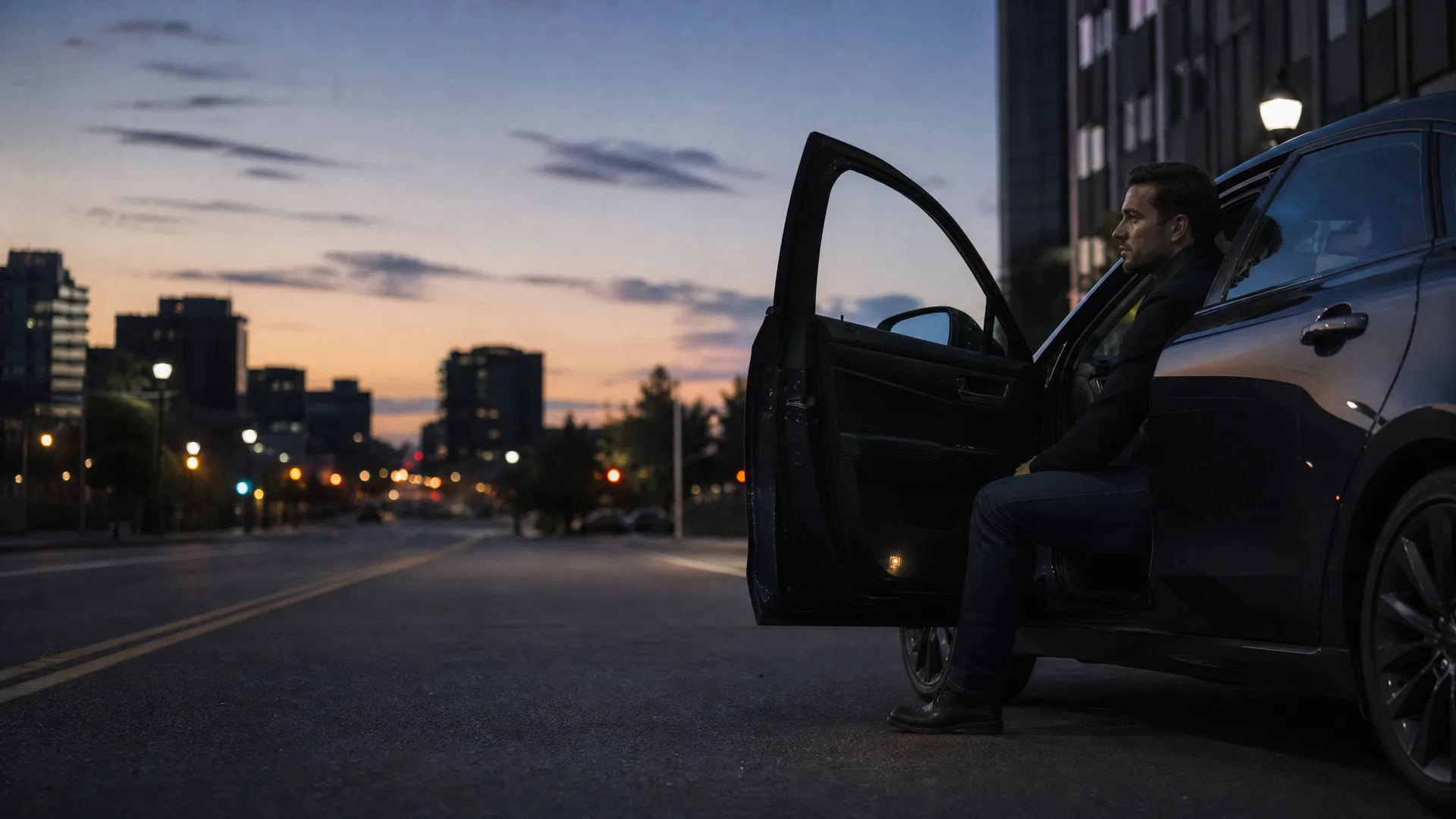
SR-22 Insurance Cost — San Francisco, CA
Free to compare
San Francisco SR-22 Premium Reality
Your license suspension notification arrived with a line about SR-22 filing, and now you're looking at insurance quotes that double or triple what you paid before the violation. San Francisco drivers calling for SR-22 coverage hear monthly premiums between $185 and $340, shaped not just by the DUI or suspension itself but by citywide risk metrics that insurers bake into every policy written in the 94102–94134 zip codes.
The filing requirement runs for three years from your reinstatement date under California Vehicle Code §16070. That's three years of elevated premiums before the SR-22 designation drops and you can shop standard-tier policies again. The filing itself costs $25 with most carriers — the premium inflation is the real expense. San Francisco's accident density, theft rates, and high uninsured motorist percentage create a baseline that treats every SR-22 filer as compounded risk, regardless of whether your violation happened on Highway 101 or in a residential neighborhood.
“San Francisco's accident density inflates your SR-22 premium before the carrier reviews your violation — you're priced against the zip code first, your record second.”

Get Insured and Get Your California License Back
Get My California Suspended License Insurance Quote$185–$340/mo
San Francisco SR-22 Premium Range
Monthly cost reflects California minimum liability ($15,000/$30,000/$5,000) with SR-22 endorsement. Drivers with DUI violations typically land at the upper end; uninsured-accident filers often qualify closer to $185. Actual rate depends on violation type, age, zip code within San Francisco, and carrier risk tier.
Carrier rate filings, California Department of Insurance
Why San Francisco Premiums Run Higher Than State Average
California SR-22 filers statewide pay approximately $140–$280/month. San Francisco sits 20–30% above that band because insurers price to citywide loss ratios, not individual driving history. The city logged 6,318 injury collisions in the most recent reporting year — a rate 40% higher than California's urban average. Insurers respond by raising base rates for all San Francisco policies, then layer the SR-22 surcharge on top.
Your zip code matters within the city. Drivers in the Sunset and Richmond districts (94116, 94121, 94122) often quote $15–$25/month lower than South of Market or Tenderloin addresses (94102, 94103), reflecting localized theft and collision frequency. Carriers writing SR-22 policies — Bristol West, Dairyland, Geico, Kemper, National General, Progressive, The General — all adjust premiums by sub-city risk zones. A 94110 address (Mission District) triggers higher quotes than 94127 (West Portal) even when the violation and coverage limits are identical.
The uninsured motorist rate compounds the problem. Approximately 17% of San Francisco drivers carry no insurance, above the 15% state average. When an SR-22 filer gets hit by an uninsured driver, the liability-only policy required for reinstatement provides no collision or UM coverage — and the carrier eats the subrogation loss. That statistical risk inflates premiums for everyone in the SR-22 pool, regardless of individual fault history.
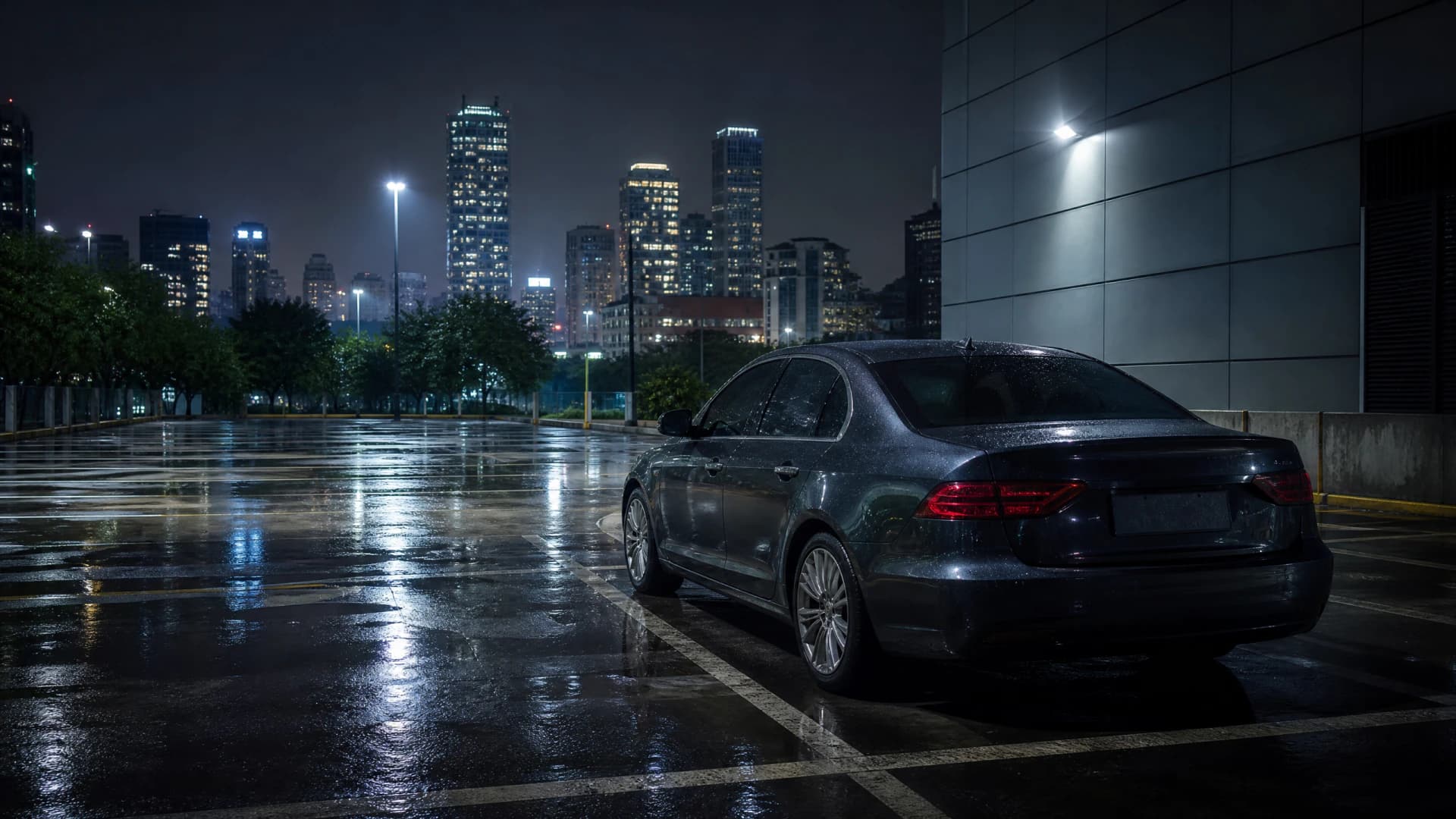
San Francisco's citywide accident density inflates your SR-22 premium before the carrier even reviews your violation. You're priced against the zip code first, your record second.
Related Articles





Non-Owner SR-22 for Suspended Drivers Without a Vehicle
If you sold your car after the suspension or rely on Muni and rideshare, you still need SR-22 filing to satisfy the DMV reinstatement requirement. A non-owner SR-22 policy provides state-minimum liability coverage when you drive a borrowed or rental vehicle and costs $45–$85/month in San Francisco — roughly 60% less than a standard SR-22 policy tied to a specific vehicle.
Geico, Progressive, State Farm, Dairyland, and The General all write non-owner SR-22 policies in California. The policy does not cover a vehicle you own, live with, or have regular access to — if your spouse or roommate owns a car you occasionally drive, the non-owner policy may not apply and you risk driving uninsured. Verify coverage scope with the carrier before purchasing. The SR-22 filing itself works identically: the carrier submits the certificate to the DMV electronically, and you maintain the policy for three years to avoid re-suspension.
Non-owner policies make sense if you're certain you will not own a vehicle during the filing period. If you buy a car six months into the non-owner term, you must convert to a standard policy immediately — driving your own vehicle under a non-owner policy leaves you uninsured and triggers a new suspension for operating without valid coverage. The DMV does not notify you of this gap; it is your responsibility to update coverage when circumstances change.
3 years
California SR-22 Filing Period
The DMV requires continuous SR-22 filing for three years from your reinstatement date under Vehicle Code §16070. Any lapse — missed payment, policy cancellation, switching carriers without overlap — triggers automatic license re-suspension. The DMV receives electronic notice from your insurer within 24 hours of a lapse and mails a suspension order immediately.
California Vehicle Code §16070

Maintaining the Filing Without Lapse
Your carrier files the SR-22 certificate electronically with the DMV once you purchase the policy. You do not submit paperwork yourself. The filing takes effect within 24–48 hours, and the DMV updates your record to reflect compliant insurance status. If you're applying for a restricted license under Vehicle Code §13353.3, you must show proof of SR-22 filing before the DMV issues the restriction — the filing comes first, the license second.
Switching carriers mid-term requires careful timing. Your new carrier must file the SR-22 before your old policy cancels, ensuring no gap in coverage. A single day without active SR-22 filing triggers re-suspension. Most carriers allow a future effective date when purchasing a new policy — set the effective date one day before your current policy expires, then cancel the old policy the same day the new one activates. If you miss the overlap window, the DMV suspends your license again and you restart the three-year filing period from the new reinstatement date.
California does not send reminders when your three-year period ends. Mark the calendar date three years from reinstatement. Once that date passes with no lapses, call your carrier and request removal of the SR-22 endorsement. Your premium drops immediately — most drivers see a 30–50% reduction the month after SR-22 removal. If you wait months beyond the three-year mark without requesting removal, you continue paying the elevated premium unnecessarily.
Next Step for San Francisco Suspended Drivers
Request quotes from at least three carriers writing SR-22 policies in your zip code. Start with Geico and Progressive if your violation was a first offense with no prior lapses; add Bristol West, Dairyland, or Kemper if standard-tier carriers decline coverage. Provide your exact suspension trigger — DUI, uninsured driving, excessive points, or other cause — because premiums vary significantly by violation type even within the same carrier. If you do not currently own a vehicle, request non-owner SR-22 quotes separately to compare monthly cost against a standard policy tied to a car you may purchase later. Once you select a carrier, the policy activates within 24 hours and the SR-22 certificate files electronically with the DMV, satisfying the reinstatement requirement and starting your three-year compliance period.
Carriers Writing SR-22 Policies in San Francisco
Standard-tier carriers — Geico, Progressive, National General — write SR-22 policies for drivers whose violation was a one-time event and who otherwise meet underwriting criteria. You'll quote closer to $185–$240/month if your violation was uninsured driving or a first-offense DUI with no prior accidents. These carriers offer online quoting but may decline coverage if your suspension involved multiple violations within 36 months or an at-fault accident during the suspension period.
Non-standard carriers — Bristol West, Dairyland, Kemper, Infinity, The General, Acceptance — specialize in high-risk drivers and rarely decline SR-22 business. Monthly premiums run $240–$340 but approval is nearly guaranteed regardless of violation count or prior lapses. Bristol West and Dairyland operate broker networks in San Francisco; you cannot quote directly online. Kemper, The General, and Acceptance offer online applications. If standard-tier carriers have declined you, start with non-standard options rather than delaying reinstatement.
Get Your Free Quote
Get My California Suspended License Insurance QuoteFrequently Asked Questions
How much does SR-22 insurance cost per month in San Francisco?
San Francisco SR-22 insurance costs $185–$340/month for California minimum liability coverage. Non-owner SR-22 policies for drivers without a vehicle cost $45–$85/month. Premiums depend on your suspension trigger, age, zip code, and whether standard-tier or non-standard carriers accept your application.
Do I need SR-22 insurance if my license is suspended in California?
You need SR-22 filing if your suspension resulted from DUI, uninsured driving, excessive points, or an at-fault accident without insurance. Suspensions for unpaid tickets, failure to appear, or child support arrears typically do not require SR-22. Check your DMV reinstatement letter — it will state explicitly if SR-22 filing is required.
How long do I have to keep SR-22 insurance in California?
California requires SR-22 filing for three years from your reinstatement date. Any lapse during that period triggers automatic re-suspension and restarts the three-year clock. Once three years pass with no lapses, contact your carrier to remove the SR-22 endorsement and reduce your premium.
Can I get SR-22 insurance without owning a car in San Francisco?
Yes. A non-owner SR-22 policy provides liability coverage when you drive borrowed or rental vehicles and satisfies the DMV filing requirement. Non-owner policies cost $45–$85/month in San Francisco. Geico, Progressive, State Farm, Dairyland, and The General all write non-owner SR-22 coverage in California.
What happens if my SR-22 insurance lapses in California?
The DMV receives electronic notice within 24 hours of any lapse and immediately re-suspends your license. You must purchase a new SR-22 policy, pay a $55 reinstatement fee, and restart the three-year filing period from the new reinstatement date. Multiple lapses can result in longer suspension periods.
Which insurance companies offer SR-22 in San Francisco?
Geico, Progressive, National General, Bristol West, Dairyland, Kemper, Infinity, The General, Acceptance, and State Farm all write SR-22 policies in San Francisco. Standard-tier carriers (Geico, Progressive) offer lower rates but may decline multi-violation drivers. Non-standard carriers (Bristol West, Dairyland, Kemper) rarely decline SR-22 business but charge higher premiums.