
SR-22 Insurance for Reckless Driving — California
Free to compare
When California Reckless Driving Triggers SR-22
You pleaded to reckless driving under Vehicle Code 23103 and your attorney told you it was a better outcome than DUI. Now your insurer or the DMV is mentioning SR-22 filing and you're confused — you thought reckless was the lesser charge. The structural reality: standalone reckless driving convictions in California do not trigger SR-22 requirements. The filing becomes mandatory only when your reckless conviction is linked to specific conditions that independently require proof of financial responsibility.
California's SR-22 system is governed by Vehicle Code Section 16070, which mandates filing after DUI convictions, certain license suspensions, and uninsured accidents causing injury or property damage above $1,000. Reckless driving appears on this list only when it functions as a substitute plea for an underlying DUI charge — specifically under VC 23103.5, the wet reckless statute. If your reckless conviction was not connected to alcohol or drugs, and your license was not suspended as a result, SR-22 is not required for reinstatement.
“Standalone reckless driving in California doesn't trigger SR-22 — the filing only becomes mandatory when tied to DUI, suspension, or specific Vehicle Code sections.”

Get Insured and Get Your California License Back
Get My California Suspended License Insurance Quote3 years
California SR-22 Filing Period
When SR-22 is required — typically for DUI-related convictions including wet reckless under VC 23103.5 — California mandates continuous filing for 3 years from the reinstatement date. Any lapse in coverage during this period triggers immediate license re-suspension.
California Vehicle Code §16070, §16074
The Wet Reckless Exception
Wet reckless under VC 23103.5 is a reckless driving conviction that explicitly involves alcohol or drugs. It is a common negotiated plea in DUI cases where the prosecution's evidence is weak or the defendant's BAC was borderline. Courts annotate these convictions to reflect the alcohol component, and the DMV treats them differently than ordinary reckless driving for purposes of administrative suspension and financial responsibility requirements.
If your plea document references VC 23103.5 or states that the reckless conviction involved alcohol, the DMV will require SR-22 filing as a condition of license reinstatement. The filing requirement attaches to the alcohol component, not the reckless driving itself. If your conviction is straight VC 23103 with no alcohol annotation, SR-22 is not triggered unless your license was independently suspended for another reason — unpaid tickets, a negligent operator point accumulation, or an uninsured accident.
Check your court paperwork. The Vehicle Code section cited in your conviction order determines your SR-22 obligation. If the section is 23103 alone, you likely do not need SR-22 unless the DMV separately suspended your license and cited financial responsibility requirements in the suspension notice.
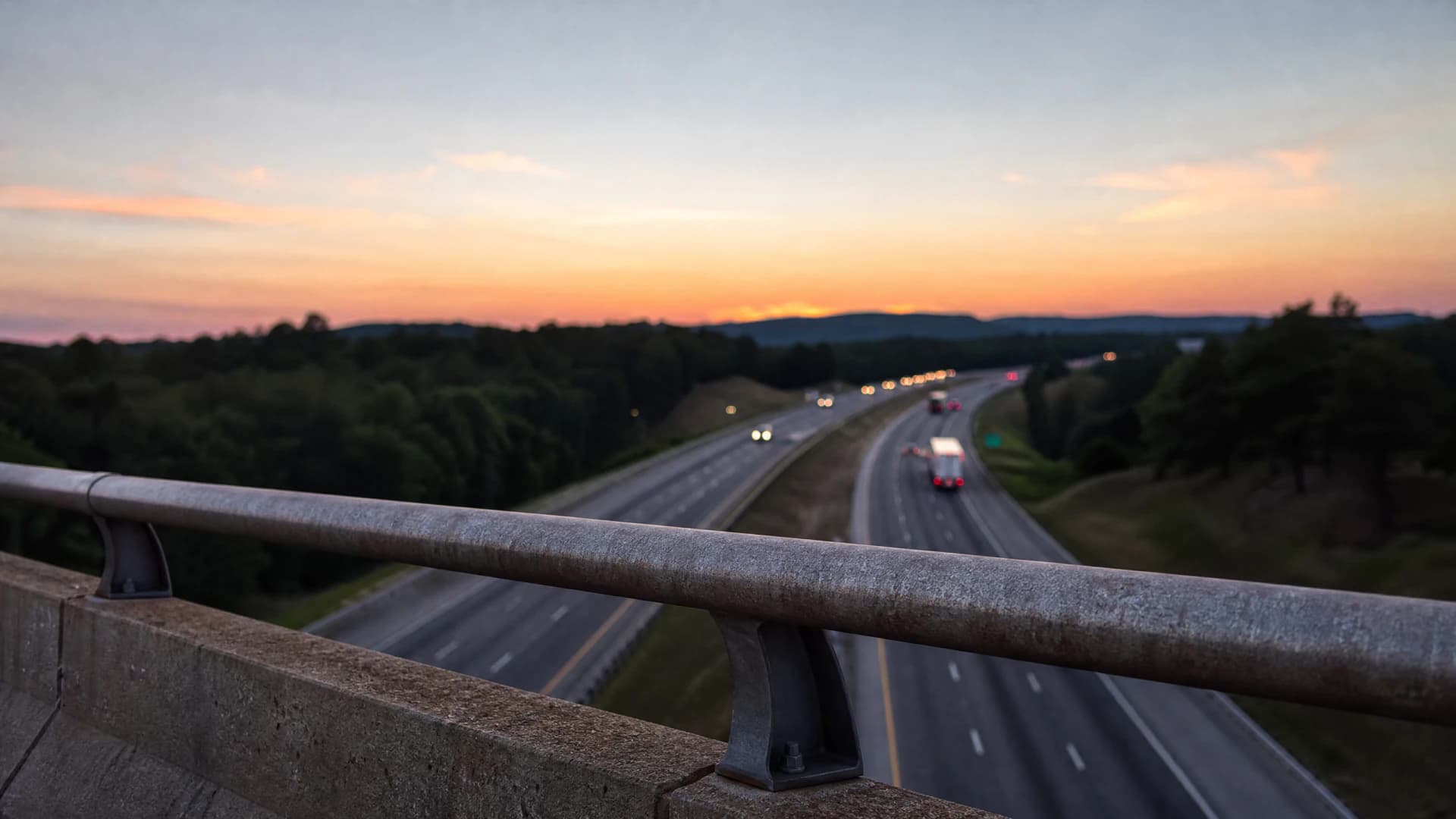
SR-22 is required for wet reckless (VC 23103.5) but not for standard reckless (VC 23103) — the distinction is in your conviction paperwork, not your driving record summary.
Related Articles



When Your License Is Suspended for Reckless Driving
California courts can suspend your license for up to 90 days as part of a reckless driving sentence under VC 23103. This is a judicial suspension imposed by the judge at sentencing, separate from any DMV administrative action. If the court suspends your license, you may apply for a restricted license allowing you to drive to and from work, within the scope of employment, and to court-ordered DUI programs if your case involves alcohol.
To obtain a restricted license after a court-ordered suspension, you must provide proof of SR-22 insurance filing to the DMV, pay the $125 restricted license application fee, and demonstrate enrollment in a DUI program if your conviction was wet reckless. The restricted license is valid for the duration of the suspension period and converts to a full license once the suspension ends and all reinstatement conditions are met, including maintaining the SR-22 filing for the full 3-year period.
If your reckless conviction did not result in a court-ordered suspension and the DMV has not separately suspended your license for points or another administrative reason, you can continue driving on your existing license without restriction. In this scenario, SR-22 filing is not required and your insurance rates increase only to the extent that your carrier re-evaluates your risk profile after the conviction appears on your driving record.
$125
California Restricted License Fee
The DMV charges a $125 application fee for restricted licenses issued during suspension periods. This fee is separate from the $55 base reinstatement fee and applies when you are seeking limited driving privileges during an active suspension rather than waiting out the full suspension period.
California DMV Fee Schedule

Non-Owner SR-22 for Drivers Without a Vehicle
If you do not own a vehicle but need SR-22 filing to satisfy a DMV reinstatement requirement, non-owner SR-22 policies provide the required proof of financial responsibility without insuring a specific car. These policies are significantly cheaper than standard policies — typically $35–$65 per month in California — because they cover only your liability when driving borrowed or rental vehicles, not collision or comprehensive damage to a car you own.
Carriers writing non-owner SR-22 policies in California include Dairyland, Geico, Progressive, State Farm, and The General. The SR-22 certificate is filed the same way as with a standard policy, and the 3-year filing requirement applies identically. If you later purchase a vehicle during the SR-22 period, you must notify your carrier immediately to convert the non-owner policy to a standard auto policy — failure to do so leaves you uninsured for the vehicle you now own and exposes you to license re-suspension if the DMV discovers the gap.
Get Coverage That Meets Your Filing Requirement
If your conviction or suspension requires SR-22 filing, compare quotes from carriers that specialize in high-risk policies before purchasing. Non-standard carriers often provide lower premiums than the standard market for drivers with violations, and the certificate filing process is identical regardless of carrier tier. If you do not need SR-22, verify that conclusion with the DMV directly — relying on insurer advice alone can leave you in non-compliance if your carrier misunderstands your conviction details or suspension status.
What You Pay for SR-22 Coverage in California
California requires liability minimums of $30,000 per person for bodily injury, $60,000 per accident for bodily injury, and $15,000 for property damage (30/60/15). Drivers with reckless or DUI convictions typically pay $85–$140 per month for liability coverage from non-standard carriers including Bristol West, Dairyland, Infinity, and The General — all of which write SR-22 policies in California. Standard carriers like State Farm and Geico also file SR-22, but premiums for high-risk drivers are often higher than non-standard specialists.
The certificate filing fee is a one-time $15–$35 charge paid to your carrier at the start of the policy. This fee covers the carrier's administrative cost of filing Form SR-22 with the California DMV. If your policy lapses at any point during the 3-year filing period, the carrier notifies the DMV within 10 days and your license is automatically re-suspended. Reinstatement after a lapse requires a new SR-22 filing, a $55 DMV reissue fee, and proof of continuous coverage going forward. Estimates based on available industry data; individual rates vary by driving history, vehicle, coverage selections, and location.
Get Your Free Quote
Get My California Suspended License Insurance QuoteFrequently Asked Questions
Does a reckless driving conviction in California require SR-22 insurance?
No, unless the conviction is a wet reckless under Vehicle Code 23103.5 involving alcohol or drugs, or your license was suspended for another reason requiring proof of financial responsibility. Standard reckless driving under VC 23103 alone does not trigger SR-22 filing requirements.
How much does SR-22 insurance cost after a reckless driving conviction in California?
Liability coverage with SR-22 filing typically costs $85–$140 per month for drivers with reckless or DUI convictions in California. The SR-22 certificate itself is a one-time $15–$35 filing fee. Non-owner SR-22 policies cost $35–$65 per month if you do not own a vehicle.
How long do I need to maintain SR-22 insurance in California after a wet reckless conviction?
California requires continuous SR-22 filing for 3 years from your license reinstatement date after a wet reckless conviction. Any lapse in coverage during this period triggers automatic license re-suspension and requires a new filing and $55 reissue fee.
Can I get a restricted license in California after a reckless driving suspension?
Yes. If the court suspends your license as part of a reckless driving sentence, you can apply for a restricted license allowing driving to work, within the scope of employment, and to DUI programs if applicable. The application requires SR-22 filing proof and a $125 fee.
What is the difference between wet reckless and regular reckless driving for SR-22 purposes?
Wet reckless under VC 23103.5 explicitly involves alcohol or drugs and requires SR-22 filing for reinstatement. Regular reckless under VC 23103 does not trigger SR-22 unless your license is separately suspended for financial responsibility reasons. The distinction appears in your conviction paperwork.
Which insurance companies file SR-22 in California after reckless driving?
Bristol West, Dairyland, Infinity, The General, Geico, Progressive, and State Farm all file SR-22 certificates in California. Non-standard carriers like Bristol West and Dairyland often offer lower premiums for high-risk drivers than standard-market carriers.
Do I need SR-22 if my reckless driving conviction did not result in a license suspension?
No. If the court did not suspend your license and the DMV has not issued a separate administrative suspension requiring proof of financial responsibility, SR-22 is not required. Your insurance rates may increase based on the conviction, but filing is not mandatory.