
SR-22 Insurance Cost After Serious Violations — California
Free to compare
Why Your Quote Is Three Times Higher Than Expected
You received your first SR-22 quote after a second DUI and at-fault accident, and the monthly premium is $320. Your last policy before suspension was $95/month. The carrier explained the SR-22 filing itself costs $25—but that doesn't explain the $225 gap. You expected a surcharge, not a wholesale rate restructuring.
California carriers don't add violation surcharges linearly. A second DUI alone might raise your base rate 2.5x. An at-fault accident with injury adds another 1.8x multiplier. These stack multiplicatively: 2.5 × 1.8 = 4.5x your clean-record baseline. The SR-22 filing fee is the smallest component. The violation tier is what redefines your premium.
“Your premium is not a clean-record base plus surcharges—it is a base multiplied by violation factors that stack exponentially, not additively.”
Get Insured and Get Your California License Back
Get My California Suspended License Insurance Quote$180–$340/mo
CA Serious Violation SR-22 Premium
Drivers with multiple major violations—two or more DUIs, DUI plus reckless driving, or DUI plus at-fault injury accident—pay $180–$340/month for state minimum liability with SR-22 in California. This reflects multiplicative surcharge stacking by non-standard carriers willing to write this tier.
California non-standard carrier rate filings, 2025
How Violation Stacking Changes Your Rate Tier
California groups violations into tiers for underwriting. A single first-offense DUI places you in the standard high-risk tier, where carriers like Geico, Progressive, and State Farm still compete. A second DUI within 10 years moves you to the non-standard tier, where only specialized carriers write policies—Bristol West, Dairyland, Acceptance, The General, Infinity.
Adding a second major violation—at-fault accident causing injury, reckless driving conviction, hit-and-run—pushes you into what underwriters call "assigned risk" tier. At this level, carriers apply maximum statutory surcharges because actuarial tables show drivers with multiple serious violations file claims at 6–8 times the rate of clean-record drivers.
The structural reality: your premium is not a clean-record base plus a DUI surcharge plus an accident surcharge. It is a clean-record base multiplied by a DUI factor, then multiplied again by an accident factor. A $90/month clean-record policy becomes $90 × 2.5 (second DUI) × 1.8 (injury accident) = $405/month before the SR-22 filing fee. This is why quotes appear shockingly high—the math is exponential, not additive.
Standard carriers will not quote multiple major violations. You are shopping a different market with five to eight competing carriers, not thirty.




How IID and Restricted License Requirements Affect Premium
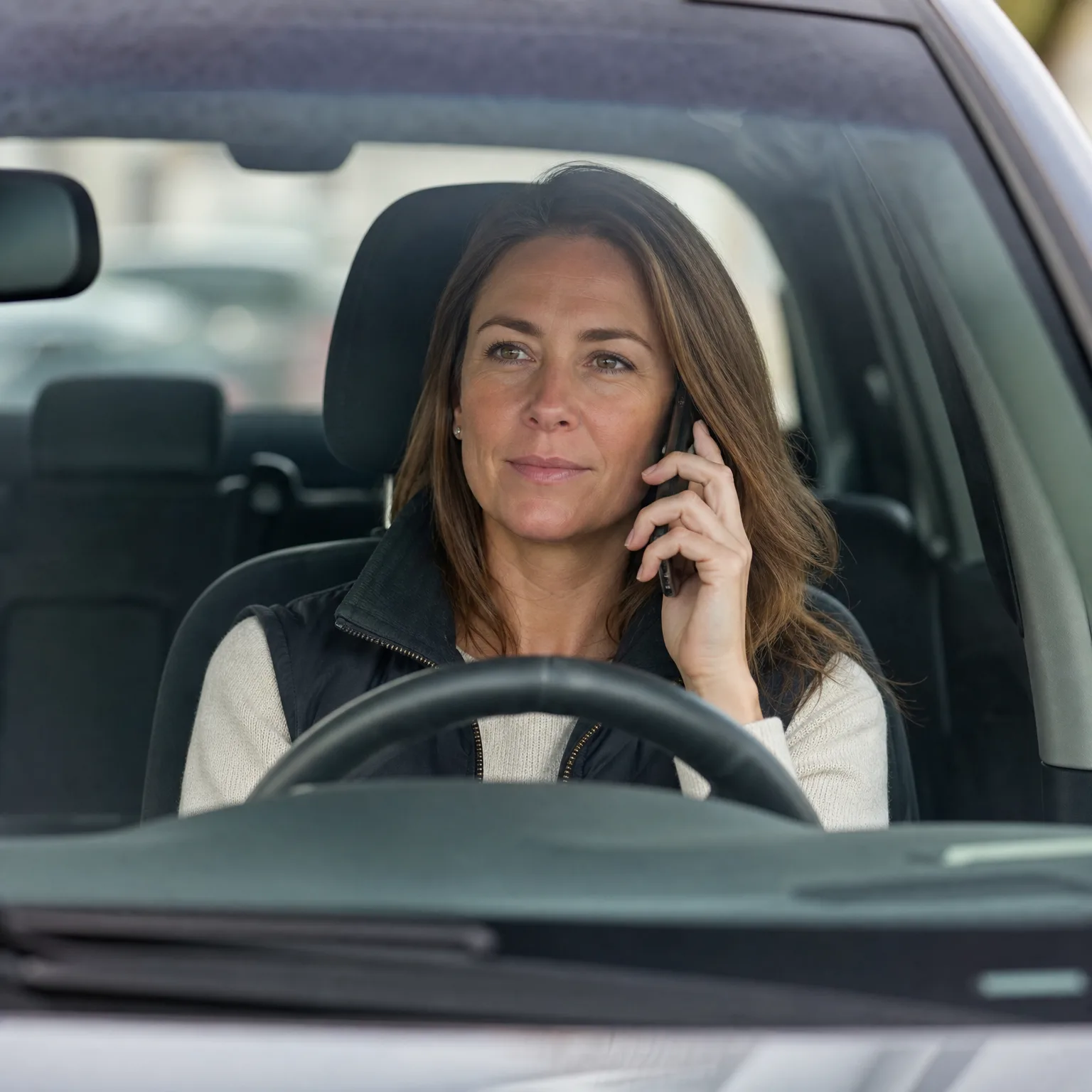
California requires ignition interlock device installation for all DUI-related restricted licenses as of January 1, 2019 under AB 91. If you are applying for a restricted license after a second DUI, IID installation is mandatory before the DMV will issue the license. Carriers verify IID compliance before binding SR-22 policies for restricted license holders.
Some carriers—Bristol West, The General, Acceptance—offer modest premium reductions (5–8%) when IID is installed and verified, because actuarial data shows IID-equipped vehicles have lower DUI recidivism rates. Other carriers treat IID as neutral—it satisfies the legal requirement but does not reduce your violation tier. No California carrier will bind an SR-22 policy for a second-offense restricted license applicant without proof of IID installation, because doing so violates the DMV's reinstatement conditions.
DUI program enrollment does not reduce your premium directly, but carriers require proof of enrollment before quoting second-offense cases. California's 18-month DUI program (standard for second offense) or 30-month program (third offense or aggravated second) must show active enrollment status. If you are suspended and have not yet enrolled, carriers will issue a conditional quote but cannot bind the policy until you provide program enrollment documentation.
3 years
California SR-22 Filing Period
California requires SR-22 filing for 3 years from reinstatement date for DUI-related suspensions. If your SR-22 lapses at any point during the 3-year window—because you cancel the policy, miss a payment, or switch carriers without filing continuity—the DMV re-suspends your license immediately and restarts the 3-year clock from the new reinstatement date.
California Vehicle Code §16070, §13353
Non-Owner SR-22 When You No Longer Have a Vehicle
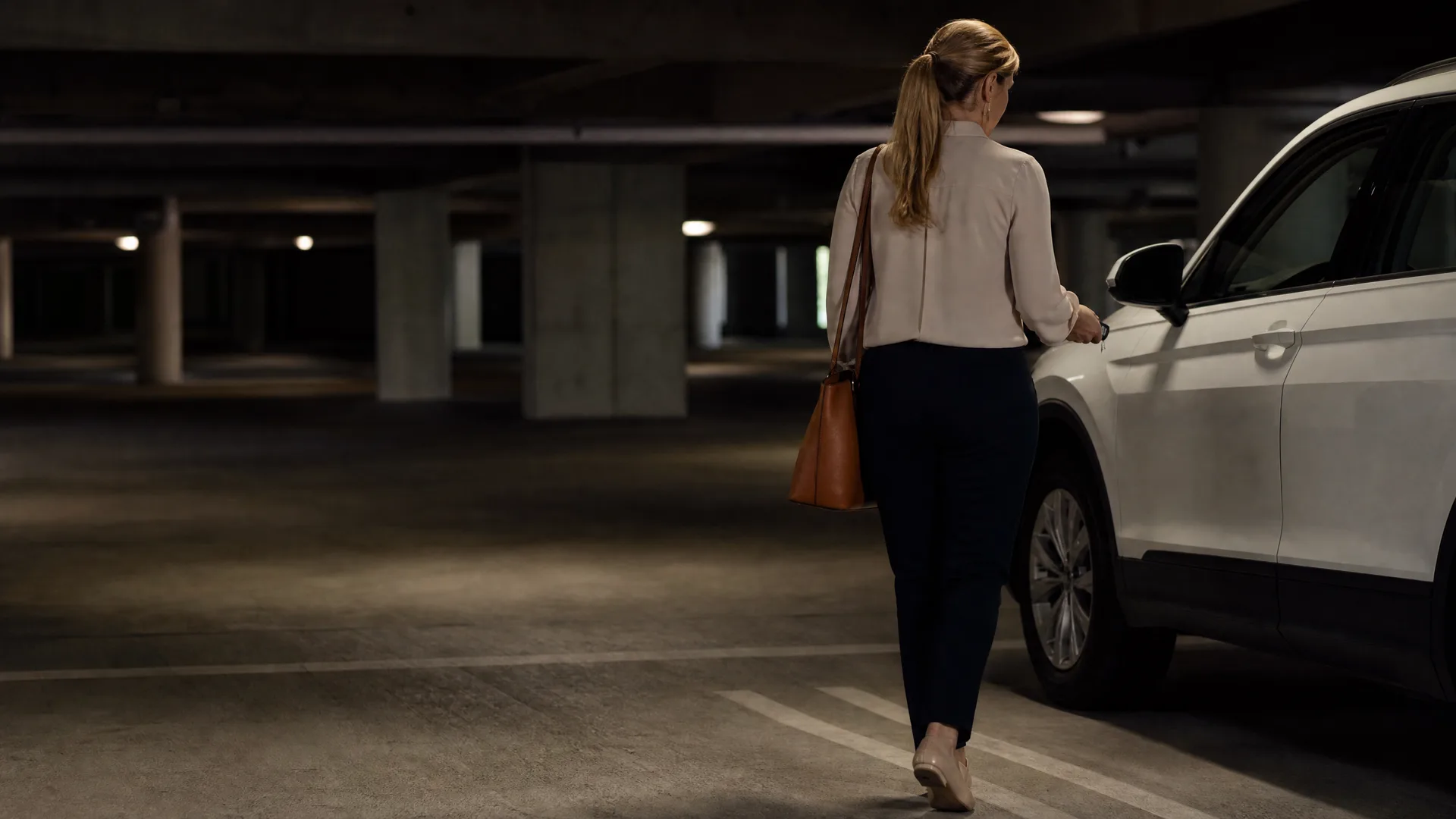
If your vehicle was impounded, sold, or totaled after the suspension and you do not currently own a car, you still need SR-22 coverage to reinstate your license. California does not waive the SR-22 requirement because you lack a vehicle—the filing proves financial responsibility capacity, not current vehicle ownership.
Non-owner SR-22 policies cost $45–$95/month for drivers with serious violation records in California. This is significantly cheaper than standard SR-22 because the policy carries no collision or comprehensive coverage and applies only when you drive a borrowed or rental vehicle. Dairyland, The General, Bristol West, and Acceptance all write non-owner SR-22 for multiple-violation drivers. Progressive writes non-owner SR-22 but typically declines second-offense DUI cases.
Compare Carriers That Write Your Violation Tier
Your next step is obtaining quotes from the five to eight carriers that underwrite serious violation SR-22 in California. Rate spread in this tier is wide—quotes for identical coverage and violation profile can vary by $80–$120/month between the highest and lowest carrier. Bristol West, Dairyland, and Acceptance compete directly for this business and often produce the most competitive rates for second-offense DUI or DUI plus accident combinations. Start with those three, then add The General and Infinity for comparison. If all five decline or quote above $350/month, contact a high-risk insurance broker licensed in California—they have access to surplus lines carriers not available through direct channels.
Which Carriers Write Serious Violation SR-22 in California
Bristol West, Dairyland, Acceptance, The General, and Infinity underwrite California policies for drivers with two or more major violations requiring SR-22. These carriers specialize in assigned-risk tier underwriting and will quote second DUI, DUI plus reckless, or DUI plus at-fault accident combinations. You cannot obtain quotes online—all five require phone underwriting or broker submission because manual review is required for violation stacking cases.
Progressive and Geico write first-offense DUI SR-22 policies in California but typically decline second DUI or DUI plus serious accident combinations. State Farm accepts some two-violation cases depending on time elapsed and claim history, but rates often exceed specialist carriers. National General writes selectively in this tier but requires proof of IID installation and DUI program enrollment before binding. Kemper operates in California's non-standard market but underwrites case-by-case for serious violation combinations—approval is not automatic.
Get Your Free Quote
Get My California Suspended License Insurance QuoteFrequently Asked Questions
Why won't Progressive or Geico quote my second DUI SR-22 in California?
Progressive and Geico underwrite first-offense DUI SR-22 policies in California but decline most second-offense cases because their actuarial models price second DUI outside their acceptable risk tier. You need a non-standard carrier—Bristol West, Dairyland, Acceptance, The General, or Infinity—that specializes in assigned-risk underwriting.
Does the SR-22 filing fee explain why my premium tripled after my second DUI?
No. The SR-22 filing costs $15–$25 in California. Your premium tripled because the second DUI moved you from standard high-risk tier to non-standard assigned-risk tier, where carriers apply maximum statutory surcharge multipliers. The violation tier restructuring—not the filing fee—drives the cost increase.
Can I get SR-22 insurance in California without installing an ignition interlock device after a second DUI?
No. California requires IID installation for all DUI-related restricted licenses under AB 91. Carriers verify IID compliance before binding SR-22 policies for restricted license holders. If you are applying for a restricted license after a second DUI, you must install IID before any carrier will issue the policy.
How much does non-owner SR-22 cost in California after two DUIs?
Non-owner SR-22 policies for California drivers with two DUIs cost $45–$95/month, significantly less than standard SR-22 because the policy carries no collision or comprehensive coverage. Dairyland, The General, Bristol West, and Acceptance all write non-owner SR-22 for serious violation cases.
What happens if I let my SR-22 lapse during California's 3-year filing period?
The California DMV re-suspends your license immediately when your carrier reports the SR-22 lapse. The 3-year filing period restarts from the new reinstatement date, not from the original date. Switching carriers requires filing continuity—the new carrier must file SR-22 before the old carrier cancels to avoid a gap.
Why do some carriers quote $220/month and others quote $340/month for the same SR-22 coverage?
Non-standard carriers use different actuarial models and risk appetites for serious violation cases. Rate spread in California's assigned-risk tier is wide because only five to eight carriers compete for this business. Bristol West, Dairyland, and Acceptance often produce the lowest rates, but quoting all available carriers is the only way to find your best price.