
Minimum SR-22 Cost — California
Free to compare
The Minimum SR-22 Question Every Suspended Driver Asks
Your California license is suspended. The DMV reinstatement letter says you need SR-22 proof of insurance for three years. You're not interested in anything beyond the bare minimum that gets your license back — you want the cheapest filing that satisfies the state and nothing more.
The answer is minimum liability SR-22, priced at $45 to $95 per month depending on your driving record, county, and the specific suspension trigger. That figure covers only the state-required 15/30/5 liability limits plus the SR-22 certificate filing fee. It meets California's legal reinstatement threshold. It also leaves you completely uninsured for vehicle damage, theft, injury to yourself, or collision repair — a gap that becomes financially catastrophic if you cause an accident during the three-year filing period.
“Minimum SR-22 meets reinstatement but leaves you liable for all damage exceeding $5,000 property and $15,000 per person — limits breached in any moderate crash.”

Get Insured and Get Your California License Back
Get My California Suspended License Insurance Quote$45–$95/mo
California Minimum SR-22 Premium
Range reflects state-minimum 15/30/5 liability coverage plus SR-22 certificate filing for a suspended driver with one major violation in Los Angeles County. DUI triggers push premiums toward the upper bound; uninsured driving suspensions trend lower. Non-owner SR-22 for drivers without a vehicle runs $25 to $50 per month.
Carrier quote aggregates, California DMV SR-22 filing requirements
What State Minimum Liability Actually Covers
California requires 15/30/5 liability coverage: $15,000 per person for bodily injury, $30,000 per accident for total bodily injury, and $5,000 for property damage. This is the floor the DMV enforces for SR-22 reinstatement. Liability pays only for damage you cause to others — their medical bills, their vehicle repairs, their legal costs if they sue.
Minimum liability does not cover your own vehicle repairs after a collision. It does not cover theft, vandalism, fire, or weather damage to your car. It does not cover your own medical bills if you're injured. It does not cover a rental car while your vehicle is being repaired. If you total your car in an at-fault crash, you walk away with nothing — the policy paid the other driver's $5,000 property damage claim and left you with a totaled vehicle and no compensation.
The $5,000 property damage limit is especially dangerous. A moderate rear-end collision into a newer sedan easily generates $8,000 to $12,000 in repair costs. Your policy pays the first $5,000; you're personally liable for the difference. The other driver can sue you for the unpaid balance, garnish your wages, or place a lien on your assets. Minimum coverage meets the reinstatement requirement but exposes you to lawsuit risk every time you drive.
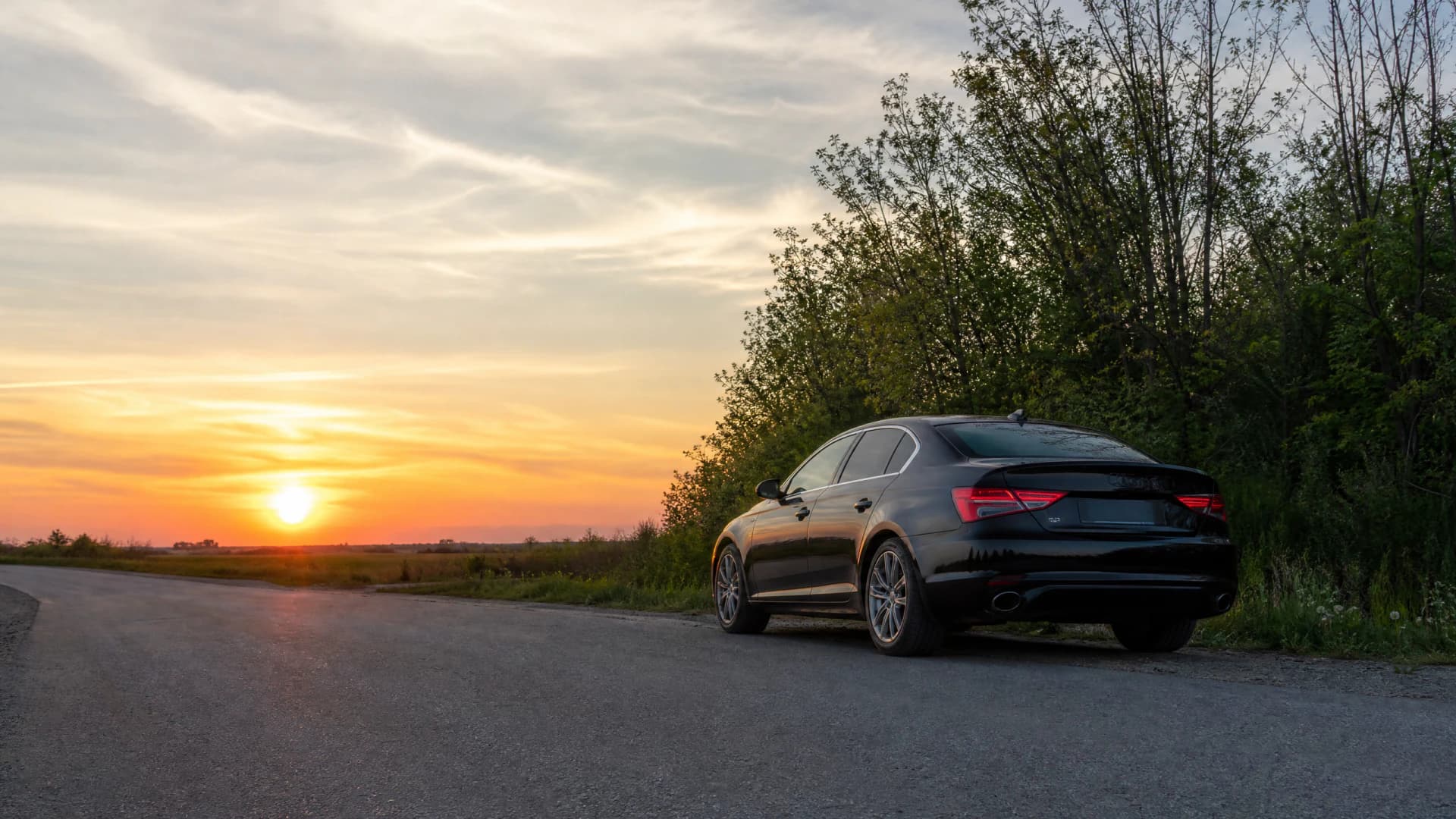
Minimum SR-22 satisfies California DMV reinstatement but leaves you financially liable for all vehicle damage and injury costs exceeding $5,000 property and $15,000 per person — limits easily breached in any moderate collision.




Non-Owner SR-22: The Minimum Filing for Drivers Without a Vehicle
If you do not own a vehicle and need SR-22 only to satisfy California's reinstatement requirement, non-owner SR-22 is the correct filing. Non-owner policies provide state-minimum liability coverage when you drive a borrowed or rented vehicle, and the policy includes the SR-22 certificate the DMV requires. Monthly premiums run $25 to $50 for suspended drivers with one major violation — roughly half the cost of owner-operator minimum SR-22.
Non-owner SR-22 does not cover a specific vehicle. It follows you as a driver. If you borrow a friend's car and cause an accident, your non-owner policy provides secondary liability coverage after the vehicle owner's primary policy pays. This structure satisfies California's financial responsibility law and allows reinstatement without requiring you to insure a vehicle you do not own. The filing period remains three years from the reinstatement date, identical to owner-operator SR-22.
Non-owner SR-22 becomes inadequate the moment you purchase or register a vehicle in your name. California requires you to convert to owner-operator SR-22 within 10 days of acquiring a vehicle. Failure to notify your carrier and upgrade the policy triggers an SR-22 lapse notification to the DMV, resulting in immediate re-suspension. If you plan to buy a vehicle during the three-year filing period, budget for the $45 to $95 per month owner-operator premium increase starting the day you take possession.
$25–$50/mo
California Non-Owner SR-22 Premium
Non-owner SR-22 provides state-minimum 15/30/5 liability when driving borrowed or rented vehicles. Policy includes DMV-required SR-22 certificate filing. Premium applies to suspended drivers without a registered vehicle; converts to owner-operator SR-22 within 10 days of vehicle acquisition.
Carrier non-owner policy quotes, California Vehicle Code §16070
Lapse Consequences: Why Skipping One Payment Resets the Clock
California SR-22 filing requires continuous coverage for three years from your reinstatement date. A single day of coverage lapse — missed payment, voluntary cancellation, or carrier non-renewal without replacement — triggers an automatic lapse notification from your carrier to the DMV. The DMV re-suspends your license immediately upon receiving that notification, typically within 10 business days. You lose your driving privileges, and the three-year SR-22 clock resets to zero the day you file a new SR-22 and reinstate again.
Reinstatement after an SR-22 lapse requires paying the $125 California reissue fee a second time, filing a new SR-22 certificate, and restarting the full three-year continuous coverage period. If your original suspension occurred in 2023 and you lapse in 2025, you do not resume the remaining year — you begin a new three-year period in 2025, extending your SR-22 obligation to 2028. Carriers writing SR-22 policies know this and aggressively cancel for non-payment; grace periods are shorter than standard auto policies.
What to Do Right Now
Request quotes from at least three carriers writing SR-22 in California: Progressive, Geico, and The General all write minimum liability SR-22 for suspended drivers and provide immediate electronic filing to the DMV. Specify whether you need owner-operator SR-22 or non-owner SR-22 based on vehicle ownership status. Compare the monthly premium, the SR-22 filing fee, and the carrier's cancellation grace period — some carriers allow 10 days past due, others cancel at 5 days.
Before accepting minimum liability, calculate your total vehicle exposure: the replacement cost of your current vehicle plus the likely property damage liability in a moderate collision. If that figure exceeds $15,000 combined, the savings from minimum coverage do not justify the financial exposure. A $95 per month policy that leaves you with a $12,000 uncovered loss after one accident is structurally worse than a $180 per month policy that caps your loss at $500. The minimum filing satisfies the DMV; it does not protect you from the financial consequences of driving during a three-year high-risk period.
Minimum SR-22 vs Full Coverage Cost Gap
Full coverage SR-22 in California — combining state-minimum liability, collision with $500 deductible, and comprehensive with $500 deductible — runs $140 to $220 per month for a suspended driver with one major violation. The $95 to $125 monthly premium increase over minimum liability buys collision repair coverage, theft reimbursement, medical payments coverage, and higher liability limits that shield you from lawsuit exposure. Over three years, the added cost is $3,420 to $4,500 total.
The coverage gap closes fast in any collision scenario. If you total a $12,000 vehicle in an at-fault crash on minimum liability, you lose the full $12,000 vehicle value plus pay out-of-pocket for the other driver's damage exceeding $5,000. A single moderate accident erases three years of savings and leaves you underwater. Full coverage caps your loss at the $500 deductible regardless of crash severity — the collision and liability coverage absorbs everything above that threshold.
Get Your Free Quote
Get My California Suspended License Insurance QuoteFrequently Asked Questions
How much does minimum SR-22 insurance cost in California per month?
Minimum SR-22 in California costs $45 to $95 per month for state-required 15/30/5 liability coverage plus SR-22 certificate filing. DUI suspensions push premiums toward the upper range; uninsured driving suspensions trend lower. Non-owner SR-22 for drivers without a vehicle runs $25 to $50 per month.
Does California minimum SR-22 cover my own car if I crash?
No. Minimum liability SR-22 covers only damage you cause to others — their vehicle repairs, their medical bills, their legal costs. Your own vehicle damage, theft, medical bills, and collision repairs are not covered. If you total your car in an at-fault crash, you receive no compensation for your vehicle loss.
Can I get non-owner SR-22 in California if I don't own a car?
Yes. California non-owner SR-22 provides state-minimum liability coverage when you drive borrowed or rented vehicles and includes the DMV-required SR-22 certificate. Premiums run $25 to $50 per month. You must convert to owner-operator SR-22 within 10 days of purchasing or registering a vehicle in your name.
What happens if my California SR-22 lapses for one day?
Your carrier notifies the California DMV immediately. The DMV re-suspends your license within 10 business days. The three-year SR-22 filing period resets to zero — you do not resume where you left off. Reinstatement requires paying the $125 reissue fee again, filing a new SR-22, and restarting the full three-year continuous coverage period.
Is California minimum SR-22 cheaper than full coverage SR-22?
Minimum SR-22 costs $45 to $95 per month; full coverage SR-22 costs $140 to $220 per month. The $95 to $125 monthly savings disappear after one moderate at-fault collision — totaling a $12,000 vehicle on minimum coverage leaves you with zero reimbursement, erasing three years of premium savings in a single crash.
How long do I have to carry SR-22 in California?
Three years from your license reinstatement date for most DUI and negligent operator suspensions. The clock starts the day the DMV processes your SR-22 filing and reinstates your license, not the day of conviction or arrest. Any lapse in coverage resets the three-year period to zero.
Which California carriers write minimum SR-22 for suspended drivers?
Progressive, Geico, The General, Bristol West, Dairyland, and Acceptance Insurance all write minimum liability SR-22 in California. Progressive and Geico offer online quotes; Bristol West and Acceptance typically require broker contact. Compare filing fees and cancellation grace periods — some carriers cancel at 5 days past due, others allow 10 days.