Allstate SR-22 Insurance — California
Free to compare
Allstate Does Not Issue SR-22 in California
Allstate announced in 2024 that it would stop writing new auto insurance policies in California. This means Allstate cannot issue SR-22 certificates for California drivers, including those who need one to reinstate a suspended license. If your license was suspended for DUI, driving uninsured, or reckless driving in California, you cannot use Allstate to meet your SR-22 filing requirement.
The California DMV requires SR-22 filing as proof of financial responsibility for three years after certain suspensions. Without an active carrier willing to file on your behalf, your reinstatement process stops. Allstate's market exit created a procedural gap for drivers who assumed they could simply add SR-22 to an existing Allstate policy or purchase coverage specifically to meet the DMV's requirement.
“Allstate's California exit means no SR-22 certificates — you need a carrier actively writing high-risk policies to file on your behalf.”

Get Insured and Get Your California License Back
Get My California Suspended License Insurance Quote$125
California Reinstatement Fee
California charges a base reinstatement fee of $125 after most suspensions, paid to the DMV after you provide proof of SR-22 filing. You cannot reinstate without both the filing and the fee payment.
California Vehicle Code §14904
Why Allstate Left California
Allstate cited catastrophic wildfire risk and California's regulatory constraints on rate adjustments as the reasons for its market exit. The company stopped accepting new personal auto applications across the state, which includes SR-22 filers who need coverage specifically for reinstatement purposes.
If you already had an Allstate policy before the exit announcement, the company may continue servicing your policy through renewal. However, suspended drivers typically need to purchase a new policy to obtain SR-22 filing, and Allstate will not write that new business. Even if you were an Allstate customer before your suspension, you cannot add SR-22 to your existing policy if it requires underwriting a new risk classification.
This distinction matters because SR-22 filing usually follows a violation that changes your risk tier. The carrier must underwrite you as a high-risk driver, which counts as new business under Allstate's California moratorium.
Allstate's California exit means no SR-22 certificates — you need a carrier actively writing high-risk policies in this state to file on your behalf.


How SR-22 Filing Works in California
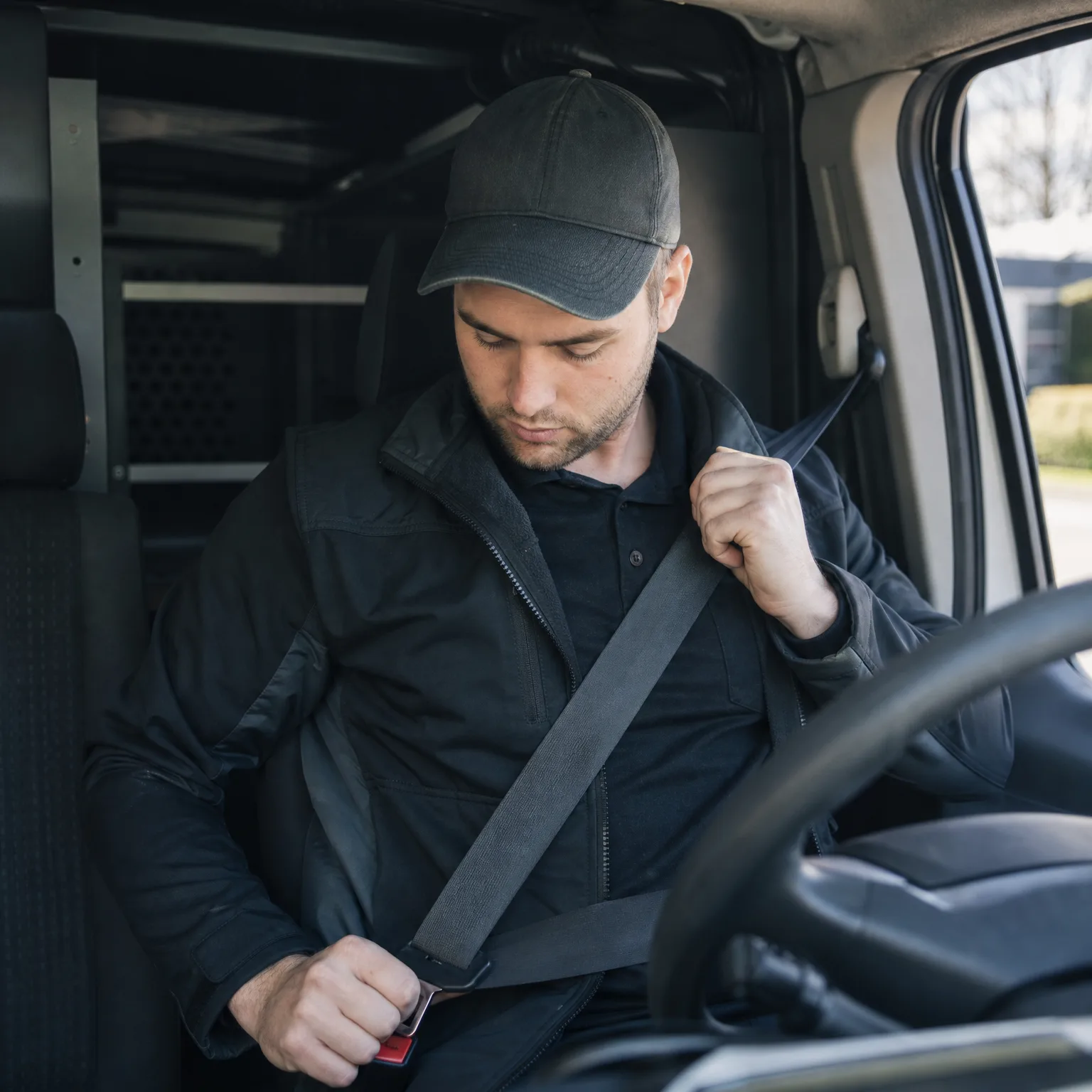
The carrier files an SR-22 certificate electronically with the California DMV on your behalf. You do not file it yourself. The certificate proves you carry at least California's minimum liability coverage: $15,000 property damage, $30,000 bodily injury per person, and $60,000 bodily injury per accident. The DMV tracks the filing status continuously through the carrier's electronic reporting system.
If your policy lapses or cancels during the three-year SR-22 period, the carrier notifies the DMV within 15 days and your license is re-suspended immediately. You must maintain continuous coverage with an SR-22 filing for the entire three-year window to avoid re-triggering suspension. Missing a payment or letting coverage lapse restarts the clock in most cases.
California requires SR-22 for DUI suspensions, uninsured accident suspensions under Vehicle Code §16070, reckless driving convictions, and negligent operator point accumulations. The three-year period begins the day the DMV receives the SR-22 certificate, not the day your suspension began. Delays in obtaining SR-22 coverage extend the total time you are without driving privileges.
3 years
California SR-22 Filing Period
California mandates SR-22 filing for three years after most DUI and high-risk suspensions. The period runs from the date the DMV receives your certificate, and any lapse in coverage during those three years triggers immediate re-suspension.
California Vehicle Code §16070
Non-Owner SR-22 for California Drivers
If you do not own a vehicle but need SR-22 to reinstate your license, a non-owner SR-22 policy satisfies the DMV's requirement. Non-owner policies provide liability coverage when you drive a vehicle you do not own — a rental, a borrowed car, or a vehicle you drive occasionally for work. The policy does not cover a specific vehicle; it follows you as the named insured.
Progressive, GEICO, State Farm, Dairyland, and The General all write non-owner SR-22 policies in California. These policies cost significantly less than standard auto policies because they exclude collision and comprehensive coverage and carry lower liability risk. Expect premiums between $30 and $70 per month depending on your violation history and the carrier's underwriting tier. Non-owner SR-22 meets the same three-year filing requirement as a standard policy.
Compare SR-22 Carriers for Your Situation
Rates for SR-22 coverage vary significantly by carrier, violation type, and county. A DUI suspension typically costs more to insure than a points-accumulation suspension. Carriers price SR-22 risk differently — one may quote $140 per month while another quotes $210 for the same driver profile. Shopping multiple carriers is the only way to identify the lowest available rate for your specific suspension trigger.
Request quotes from at least three carriers that actively write SR-22 in California. Provide your suspension notice, the violation date, and the county where you live. The carrier needs this information to file the SR-22 correctly with the DMV and to price the policy according to California's tiered risk model. Compare not only the monthly premium but also the carrier's filing reliability — some non-standard carriers file SR-22 certificates within 24 hours, while others take three to five business days, delaying your reinstatement window.
Carriers That Write SR-22 in California
Progressive, GEICO, and State Farm all write SR-22 policies in California and maintain active electronic filing relationships with the DMV. Progressive operates in the non-standard tier and accepts DUI suspensions, excessive points, and uninsured driving triggers. GEICO writes SR-22 for most suspension types through its standard and non-standard divisions. State Farm writes SR-22 but typically reserves it for existing customers or drivers with less severe violations.
Bristol West, Dairyland, The General, and Acceptance Insurance focus exclusively on high-risk drivers and write SR-22 as their core product. These carriers charge higher premiums than standard-tier companies but approve applications Allstate would have declined even before the market exit. Infinity and National General also write SR-22 in California and serve drivers with recent DUI convictions, suspended licenses, or multiple at-fault accidents.
Get Your Free Quote
Get My California Suspended License Insurance QuoteFrequently Asked Questions
Can I get SR-22 from Allstate if I already have a policy with them in California?
No. Allstate stopped writing new auto business in California in 2024, which includes adding SR-22 to existing policies when it requires underwriting a new risk classification. SR-22 filing typically follows a violation that changes your risk tier, so Allstate treats it as new business and will not issue the certificate.
How much does SR-22 insurance cost in California after a DUI?
SR-22 insurance after a California DUI typically costs $120 to $250 per month depending on the carrier, your age, and your county. Non-standard carriers like Bristol West and Dairyland often quote lower than standard-tier carriers for DUI suspensions. Rates drop after the first year if you maintain continuous coverage without additional violations.
Which carriers file SR-22 the fastest in California?
Progressive, GEICO, and Dairyland file SR-22 certificates electronically with the California DMV within 24 to 48 hours of policy purchase. Bristol West and The General typically file within three business days. Filing speed matters because your reinstatement timeline cannot begin until the DMV receives the certificate.
Do I need SR-22 if my California license was suspended for unpaid tickets?
No. California does not require SR-22 for suspensions triggered by failure to appear in court or unpaid fines under Vehicle Code §13365. Those suspensions lift when you pay the fines or appear in court. SR-22 is required for DUI suspensions, uninsured accident suspensions, reckless driving, and negligent operator point accumulations.
What happens if my SR-22 policy lapses in California?
The carrier notifies the California DMV within 15 days of the lapse and your license is re-suspended immediately. You must purchase a new SR-22 policy, pay the $125 reinstatement fee again, and restart the three-year filing period from the date the DMV receives the new certificate. Lapses extend your total time without full driving privileges.