
SR-22 Insurance After Traffic Violations — California
Free to compare
When Multiple Tickets Trigger California SR-22 Filing
California's negligent operator treatment system suspended your license after accumulating too many points within 12 months. The DMV letter says you need SR-22 insurance to reinstate, but you haven't had a DUI—just speeding tickets, red light violations, or at-fault accidents. You're discovering that standard carriers who insured you last month are now declining coverage entirely, and the carriers who will write SR-22 are quoting premiums double what you paid before suspension.
The structural reality: California requires SR-22 filing for negligent operator suspensions under Vehicle Code §12810, which defines the point thresholds that trigger action. Four points in 12 months, six points in 24 months, or eight points in 36 months moves you into negligent operator status. The DMV issues an Order of Suspension and requires continuous SR-22 filing for three years from the reinstatement date—not from the suspension date. Most drivers assume SR-22 is only for DUI cases. It's not. Point accumulation creates the same SR-22 requirement but funnels you toward a different tier of carriers than DUI suspensions do.
“Four points in 12 months triggers negligent operator status and mandatory SR-22 filing for three years—not just for DUI cases.”

Get Insured and Get Your California License Back
Get My California Suspended License Insurance Quote3 years
California SR-22 Filing Duration
The DMV requires continuous SR-22 filing for three years after reinstatement for negligent operator suspensions under Vehicle Code §16072. If the policy lapses or cancels during this period, the DMV receives automatic notice from your carrier and re-suspends your license immediately.
California Vehicle Code §16072
Why Point-Suspension SR-22 Costs More Than Standard Coverage
Carriers classify point-suspension drivers differently than clean-record drivers, and differently than DUI drivers. You're in the non-standard tier—higher risk than preferred or standard tiers, but evaluated on violation frequency and type rather than alcohol-related conviction. The pricing gap reflects actuarial data: drivers with four violations in 12 months statistically file claims at higher rates than drivers with clean records, but lower rates than DUI offenders.
California law prohibits carriers from refusing to file SR-22 on behalf of a policyholder, but it does not require carriers to offer you a policy in the first place. Most preferred-tier carriers—State Farm, Farmers, Allstate—exit at the point-suspension threshold. They'll file SR-22 for existing customers who get a single DUI, but they non-renew or decline new applications from drivers with multiple moving violations leading to suspension. This creates a carrier availability gap that forces most point-suspension drivers into non-standard markets.
The carriers writing point-suspension SR-22 in California cluster in two groups: non-standard specialists like Bristol West, Infinity, and The General, and standard-tier carriers with non-standard divisions like Progressive and Geico. Monthly premiums typically range from $95 to $240 depending on your county, age, vehicle, and the specific violations on your record. Speeding 20+ over the limit costs more to insure than multiple equipment violations. At-fault accidents cost more than non-accident moving violations.
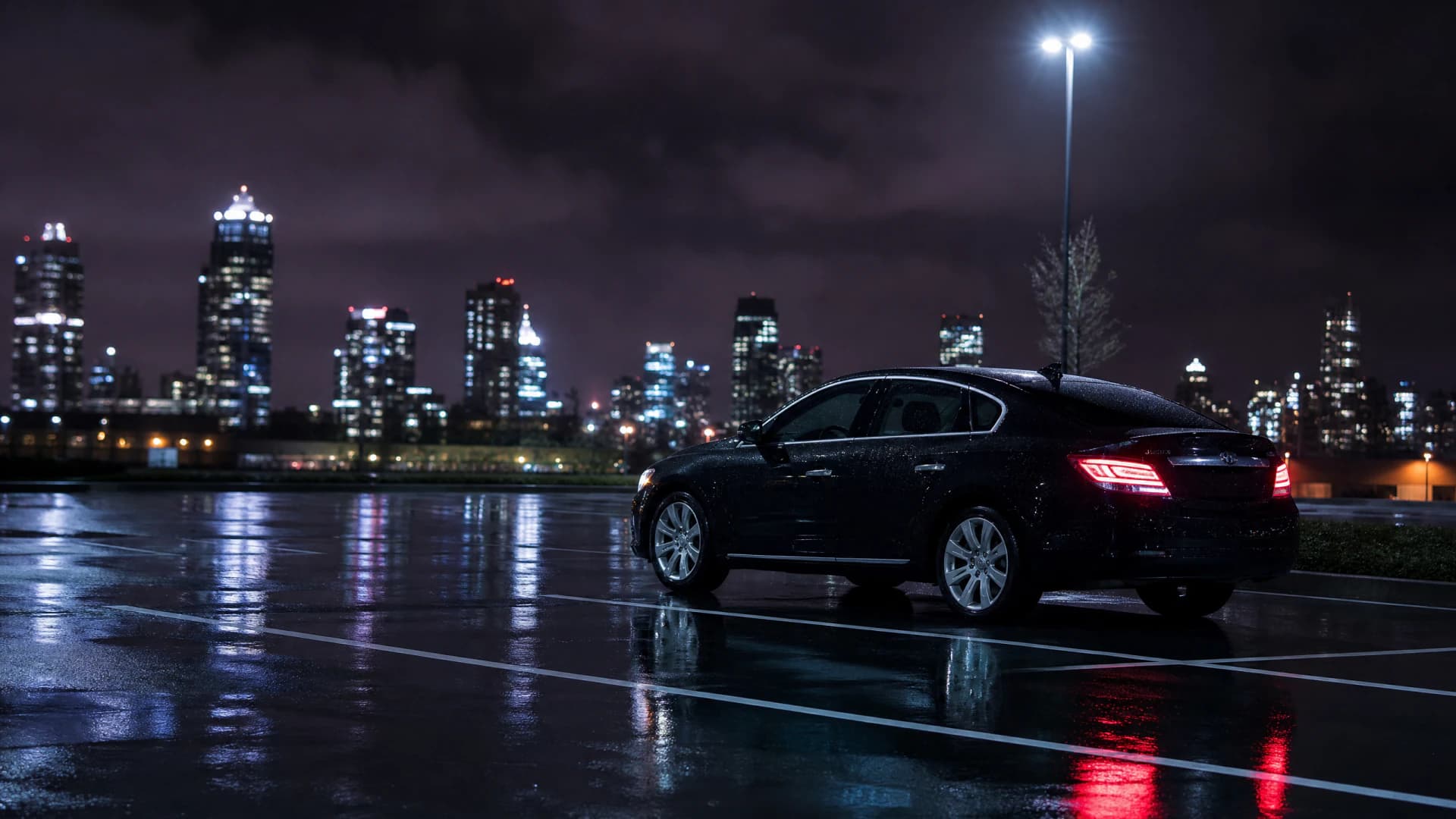
The blocker: you need liability coverage high enough to meet California's financial responsibility requirement ($30,000/$60,000/$15,000 minimums) and SR-22 filing, but most standard carriers won't write the policy at any price once suspension posts to your record.
Related Articles






SR-22 Filing Timing and Reinstatement Sequence
California requires the SR-22 filing to be on file with the DMV before you can reinstate your license. The sequence is: bind the policy, carrier files SR-22 electronically with the DMV (typically processed within 1 to 3 business days), wait for DMV confirmation that SR-22 is on file, pay the $55 reissue fee under Vehicle Code §14904, then reinstate. You cannot reinstate first and file SR-22 later. The filing must precede reinstatement.
If your suspension includes a mandatory hard period where no restricted license is available—common when point accumulation combines with an at-fault accident causing injury—you cannot drive at all during that window even after SR-22 is filed. The SR-22 filing requirement and the hard suspension period are separate. Once the hard period ends and SR-22 is on file, reinstatement becomes available. For negligent operator suspensions without injury accidents, California typically allows restricted license eligibility immediately after SR-22 filing, permitting driving to and from work and within the scope of employment.
The three-year SR-22 filing period begins on your reinstatement date, not your suspension date. If you wait six months after suspension to file SR-22 and reinstate, you still owe three years of continuous filing from that reinstatement date forward. Early reinstatement does not shorten the filing duration—it only restores your ability to drive legally sooner. During the three-year period, any lapse in coverage triggers automatic re-suspension. The carrier notifies the DMV electronically within 24 hours of cancellation, and the DMV re-suspends without additional hearing.
$95–$240/mo
Point-Suspension SR-22 Premium Range
Monthly premiums for liability-only SR-22 coverage after negligent operator suspension in California typically fall between $95 and $240 depending on county, age, vehicle type, and specific violation pattern. Drivers under 25 or with at-fault accidents in the violation history trend toward the higher end of the range.

Non-Owner SR-22 When You Don't Have a Vehicle
If you don't own a vehicle but need SR-22 to reinstate your license, California allows non-owner SR-22 policies. These policies provide liability coverage when you drive a vehicle you don't own—a borrowed car, a rental, or a vehicle you drive for work. The DMV accepts non-owner SR-22 filings for reinstatement purposes. Monthly premiums for non-owner SR-22 are typically lower than standard SR-22 policies because the carrier assumes lower exposure—you're not driving daily in your own vehicle.
Non-owner policies do not cover a vehicle you own, lease, or have regular access to. If you live with a family member who owns a car and you drive it regularly, the non-owner policy will not cover that use. You would need to be added to the owner's policy as a listed driver, and the SR-22 filed on that policy. Misrepresenting vehicle access to obtain a cheaper non-owner policy constitutes material misrepresentation and allows the carrier to deny claims and cancel the policy retroactively, which re-triggers suspension.
What Happens After You Bind SR-22 Coverage
Once you bind the policy, the carrier files the SR-22 certificate electronically with the California DMV. You receive a paper copy of the SR-22 certificate, but the DMV does not require you to submit it—they receive the filing directly from the carrier. The electronic filing typically posts to your DMV record within 1 to 3 business days. You can verify SR-22 filing status by calling the DMV or checking your online record if you have a MyDMV account.
After SR-22 is confirmed on file, pay the $55 reissue fee and complete any other reinstatement requirements specific to your suspension. For negligent operator suspensions, this often includes completing a reexamination—written test, vision test, and sometimes a driving test—depending on your violation history and whether the DMV flagged you for reexamination during the suspension. The DMV notice you received at suspension lists the specific reinstatement requirements for your case. Once all requirements are satisfied, the DMV issues a new license and your driving privilege is restored. Keep your SR-22 policy active and paid for the full three-year period to avoid re-suspension.
How to Compare Carriers for Point-Suspension SR-22
Start with carriers confirmed to write SR-22 for negligent operator suspensions in California: Bristol West, Infinity, The General, Progressive, Geico, and Acceptance Insurance all write this market. State Farm and USAA file SR-22 for existing customers but typically non-renew at suspension rather than continuing coverage. Dairyland writes SR-22 in California but focuses primarily on DUI rather than point-suspension cases. Each carrier evaluates violation type differently—Progressive may quote competitively on speeding violations but decline multiple at-fault accidents; Bristol West may accept accident patterns Progressive declines.
Request quotes from at least three carriers, providing the same violation history to each. California requires carriers to use your actual loss history; you cannot omit tickets or accidents. The DMV's negligent operator point count on your record is public and visible to underwriters. Premiums quoted before the carrier pulls your motor vehicle report are estimates only. Actual bound premium appears after underwriting review. Expect the quoting process to take 3 to 7 business days per carrier for point-suspension cases, longer than clean-record quotes because underwriters manually review violation patterns.
Get Your Free Quote
Get My California Suspended License Insurance QuoteFrequently Asked Questions
Does SR-22 insurance cost more after multiple tickets than after a DUI in California?
Point-suspension SR-22 premiums typically cost less than post-DUI SR-22 premiums. Multiple tickets place you in non-standard tier, but DUI convictions trigger higher actuarial risk classifications. Monthly premiums for point-suspension SR-22 range from $95 to $240, while DUI SR-22 often starts at $150 and can exceed $300 monthly depending on BAC level and prior offenses.
Can I get SR-22 insurance if I don't own a car in California?
Yes. California allows non-owner SR-22 policies that provide liability coverage when you drive vehicles you don't own. Monthly premiums are typically lower than standard SR-22 policies. The DMV accepts non-owner SR-22 filings for reinstatement after negligent operator suspension.
How long does it take for SR-22 to show up on my California DMV record?
Carriers file SR-22 electronically with the California DMV, and the filing typically posts to your record within 1 to 3 business days. You can verify filing status by calling the DMV or checking your MyDMV account online. Do not attempt to reinstate until SR-22 filing is confirmed on your record.
What happens if my SR-22 insurance lapses during the three-year filing period in California?
The carrier notifies the DMV electronically within 24 hours of cancellation or lapse. The DMV immediately re-suspends your license without additional hearing. To reinstate after lapse, you must obtain new SR-22 coverage, wait for the filing to post, pay another $55 reissue fee, and restart the process. The three-year clock does not reset—you still owe the remainder of the original three-year period.
Will standard carriers like State Farm or Allstate write SR-22 after multiple tickets in California?
Most preferred-tier carriers decline new applications or non-renew existing policies once negligent operator suspension posts to your record. State Farm and Allstate typically exit at the point-suspension threshold. You'll need to work with non-standard carriers like Bristol West, Infinity, The General, or standard carriers with non-standard divisions like Progressive and Geico.
Do I need to complete a driving test to reinstate my license after negligent operator suspension in California?
It depends. The DMV may require reexamination—written test, vision test, or driving test—depending on your violation history and whether reexamination was flagged during suspension. Your suspension notice from the DMV lists specific reinstatement requirements for your case. SR-22 filing and payment of the $55 reissue fee are required in all negligent operator cases.