
Cheapest SR-22 Insurance for a DWI — California
Free to compare
Why Standard Carriers Won't Quote You Competitively
You call Allstate or State Farm because they carried you before the DWI. They either decline you outright or quote $340/month for liability-only coverage with SR-22. You assume that's the market rate for DWI drivers in California. It's not—it's the rate charged by carriers who don't want your business and price accordingly to make you go away.
Standard-tier carriers (Allstate, State Farm, Farmers, Nationwide) write DWI business reluctantly and assign it to their highest-risk underwriting tier. Non-standard specialists (Bristol West, Infinity, Dairyland, The General) compete for DWI accounts as their core book of business. The same liability profile that gets you a $320/month quote from State Farm gets you a $180/month quote from Bristol West. The coverage is identical. The carrier's appetite is not.
“The SR-22 filing adds $15–$25. The DWI conviction adds $120–$180/month. Shopping only standard carriers locks you into the top of that range for three years.”
Get Insured and Get Your California License Back
Get My California Suspended License Insurance Quote$80–$140/mo
Non-Standard Carrier Discount vs Standard
California DWI drivers shopping only standard-tier carriers overpay by $960–$1,680 annually compared to non-standard specialists. The difference reflects underwriting appetite, not coverage quality—both tiers satisfy California's SR-22 filing requirement identically.
Comparative carrier rate filings, California DOI
What SR-22 Filing Actually Costs
The SR-22 certificate itself costs $15–$25 as a one-time filing fee paid to your carrier. California does not charge a separate DMV filing fee for SR-22 processing. Your carrier electronically transmits the SR-22 to the DMV within 24 hours of policy binding. The filing is a form, not insurance—it proves you carry the state's minimum liability coverage.
The reason your premium tripled is not the $25 filing fee. It's the DWI conviction reclassifying you from standard-risk to high-risk underwriting. Carriers price DWI accounts 150–300% higher than clean-record accounts because actuarial data shows DWI drivers file more claims. Some carriers decline DWI business entirely. The ones who accept it charge more because their pool contains higher-risk drivers by design.
You cannot avoid the high-risk premium by shopping for cheaper SR-22 filing. The filing cost is fixed and trivial. The leverage is in finding carriers whose high-risk tier prices competitively because they specialize in that book of business.
The SR-22 filing adds $15–$25. The DWI conviction adds $120–$180/month. Shopping standard carriers who don't specialize in high-risk accounts locks you into the top of that range for three years.
Non-Owner SR-22 for Drivers Without a Vehicle
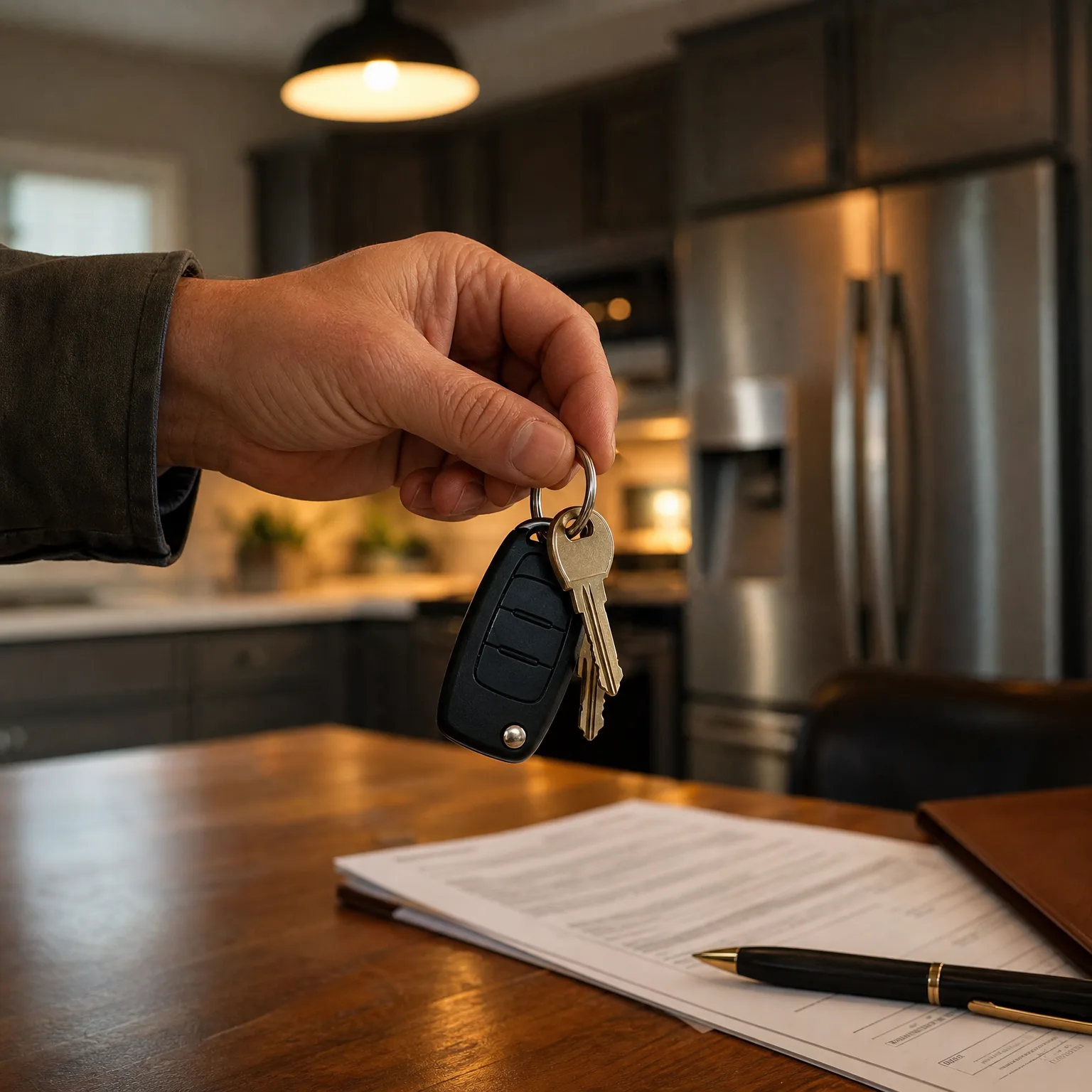
California allows non-owner SR-22 policies for drivers who do not own a vehicle but need proof of insurance to satisfy DMV reinstatement requirements. A non-owner policy provides liability coverage when you drive a vehicle you don't own—a borrowed car, a rental, or an employer's vehicle. It does not cover the vehicle itself; it covers your liability for injury or damage you cause while driving.
Non-owner SR-22 premiums after a DWI run $140–$220/month in California, roughly 25–35% cheaper than owner policies because the carrier is not insuring a specific vehicle. Dairyland, The General, and Progressive all write non-owner SR-22 policies for DWI drivers. Bristol West writes them through brokers. If you sold your car after the DWI or rely on rideshare and public transit, non-owner SR-22 satisfies California's filing requirement and costs significantly less than maintaining a vehicle policy you're not using.
The DMV does not distinguish between owner and non-owner SR-22 filings. Both satisfy the three-year SR-22 requirement identically. If you later buy a vehicle, you convert the non-owner policy to a standard owner policy and the SR-22 filing transfers seamlessly. The three-year clock does not reset.
3 years
California SR-22 Filing Duration After DWI
California requires SR-22 filing for three years from the date of reinstatement, not the date of conviction. If your license is suspended for six months and you reinstate on July 1, 2025, your SR-22 obligation runs until July 1, 2028. Any lapse in coverage during those three years triggers immediate re-suspension and restarts the clock.
California Vehicle Code §16070, §13353.7
How County and Age Variables Affect DWI Quotes
Los Angeles County DWI drivers pay 15–25% more than drivers in Fresno or Sacramento for identical coverage because LA's population density and theft rates push base rates higher across all risk tiers. San Francisco and Alameda counties price similarly to LA. Rural counties (Shasta, Tehama, Humboldt) quote 20–30% under metro rates. The DWI surcharge applies uniformly statewide, but the base rate it multiplies varies by county.
Drivers under 25 with a DWI face compounded high-risk pricing. A 22-year-old male DWI driver in Los Angeles County can expect quotes of $280–$380/month for minimum liability with SR-22 because age and violation risk stack. The same driver at age 32 quotes $180–$260/month. Drivers over 50 with a first-offense DWI and no prior violations often qualify for mid-tier pricing at non-standard carriers and quote $160–$220/month.
What Happens If You Let SR-22 Coverage Lapse
California carriers are required to notify the DMV electronically within 24 hours of a policy cancellation or lapse. The DMV then suspends your license and registration immediately. There is no grace period. You receive a notice in the mail, but the suspension is effective the day the DMV receives the lapse report from your carrier, not the day you receive the notice.
Reinstating after an SR-22 lapse requires purchasing new SR-22 coverage, paying a $55 reissue fee to the DMV, and restarting the three-year SR-22 clock from the new reinstatement date. If your original DWI required three years of SR-22 and you lapse in year two, you owe three additional years from the date you reinstate, not the one remaining year. The financial consequence: another $125 reinstatement fee, another three years of high-risk premiums, and another three years before you can shop standard-tier carriers again.
Automatic payment prevents most lapses. Every non-standard carrier writing California DWI business supports automatic bank draft or card payment. Set it and confirm monthly that the payment processed. Missing one payment triggers the lapse sequence within 72 hours.
Start With Broker-Required Non-Standard Carriers
The lowest DWI SR-22 premiums in California come from carriers who require broker contact: Bristol West, Infinity, and Dairyland. Call a local independent agent who writes high-risk auto business and request quotes from all three. The broker's commission is built into the premium—you do not pay separately for broker service—and the time investment (one 20-minute call) saves $960–$1,680 annually compared to quoting only online carriers. If broker quotes exceed your budget, fall back to The General or Progressive for online binding, but start with the broker channel. The price difference is structural, not situational.
Which Carriers Write California DWI Business Competitively
Bristol West, Infinity, and Dairyland are the three broker-required non-standard specialists. All three write SR-22 DWI policies statewide. Bristol West was founded in California in 1973 specifically for high-risk drivers and maintains the largest broker network in the state. Infinity operates through independent agents and typically quotes $175–$240/month for minimum liability plus SR-22 after a first-offense DWI. Dairyland writes non-owner SR-22 policies for drivers without a vehicle at $140–$190/month. All three require phone or in-person contact—you cannot bind coverage online—but their quotes run $80–$140/month under standard-tier online carriers.
The General, Progressive, and Geico offer online quotes for DWI drivers and process SR-22 filing electronically. The General specializes in high-risk accounts and quotes $180–$260/month for liability-only DWI coverage. Progressive and Geico write DWI business but price it less competitively than their non-standard competitors—expect $240–$320/month. State Farm will quote SR-22 after DWI but only for existing customers converting from standard to high-risk; new DWI applicants are typically declined.
Get Your Free Quote
Get My California Suspended License Insurance QuoteFrequently Asked Questions
Does the SR-22 filing fee increase my insurance premium in California?
No. The SR-22 filing itself costs $15–$25 as a one-time carrier fee. Your premium increases because the DWI conviction reclassifies you into high-risk underwriting, not because of the filing. Carriers price DWI accounts 150–300% higher than clean-record accounts based on actuarial claims data.
Can I get SR-22 insurance in California without owning a car?
Yes. Non-owner SR-22 policies provide liability coverage when you drive a vehicle you don't own and satisfy California's SR-22 filing requirement identically to owner policies. Non-owner premiums after a DWI typically run $140–$220/month, roughly 25–35% cheaper than owner policies. Dairyland, The General, and Progressive all write non-owner SR-22 for DWI drivers.
How long do I need to maintain SR-22 filing after a DWI in California?
California requires SR-22 filing for three years from your reinstatement date, not your conviction date. If your license is suspended for six months and you reinstate on July 1, 2025, your SR-22 obligation runs until July 1, 2028. Any lapse during those three years triggers immediate re-suspension and restarts the three-year clock.
Why are non-standard carriers cheaper than State Farm or Allstate for DWI insurance?
Non-standard carriers (Bristol West, Infinity, Dairyland) compete for DWI business as their core book and price high-risk accounts competitively. Standard-tier carriers (State Farm, Allstate) write DWI policies reluctantly and assign them to their highest-risk tier to discourage applications. The same coverage costs $80–$140/month less at a non-standard specialist because of underwriting appetite, not coverage quality.
What happens if my SR-22 insurance lapses in California?
Your carrier notifies the DMV within 24 hours and the DMV suspends your license immediately with no grace period. Reinstating requires new SR-22 coverage, a $55 reissue fee, and restarting the three-year SR-22 clock from scratch. If you lapse in year two, you owe three additional years from reinstatement, not the one year remaining.
Do I need a broker to get cheap SR-22 insurance after a California DWI?
The three cheapest carriers for California DWI SR-22 (Bristol West, Infinity, Dairyland) all require broker contact and do not offer online binding. Independent agents who write high-risk auto business can quote all three in one call. Broker commission is built into the premium—you pay nothing separately—and broker quotes typically underprice online-only carriers by $80–$140/month.
Can I switch SR-22 carriers during my three-year filing period in California?
Yes. You can switch carriers anytime during your SR-22 obligation as long as there is no gap in coverage. Your new carrier files an SR-22 with the DMV when you bind the policy. Any lapse—even one day—between carriers triggers suspension and restarts your three-year clock, so bind the new policy before canceling the old one.