
SR-22 After Breathalyzer Refusal — California
Free to compare
Two Suspension Systems, Two SR-22 Requirements
You refused the breathalyzer at the traffic stop. Ten days later, the DMV sent an Administrative Per Se suspension notice. Your court date is still weeks away, but your license suspension clock has already started. This is California's dual-track system: the DMV suspended you administratively under Vehicle Code §13353 the moment you refused the test, completely separate from whatever the criminal court decides about your DUI charge.
Most drivers expect one suspension tied to their court case. California operates differently. The DMV's administrative suspension runs independently of the criminal proceeding. If you are convicted in court, you face a second suspension under §13352. Both suspensions require separate SR-22 filings to reinstate. You can satisfy both simultaneously with continuous SR-22 coverage, but understanding which system controls your current restriction is critical to navigating the path forward.
“The APS suspension clock starts whether or not you are convicted in criminal court — California's dual-track system means waiting for your court case does not stop the DMV timeline.”

Get Insured and Get Your California License Back
Get My California Suspended License Insurance Quote1 year
CA Refusal APS Suspension
California imposes a mandatory 1-year administrative suspension for first-offense breathalyzer or chemical test refusal under Vehicle Code §13353. This period begins 30 days after the arrest date if you do not request a DMV hearing, or 30 days after the hearing decision if you contest and lose.
California Vehicle Code §13353
The Administrative Per Se Track Moves Fast
The APS suspension is triggered by your refusal to submit to chemical testing, not by any court conviction. When the arresting officer confiscated your license and handed you a temporary permit, that pink sheet included notice of the DMV's intent to suspend. You have 10 days from the arrest date to request an administrative hearing. If you miss that 10-day window, the suspension automatically takes effect on the 30th day post-arrest.
The APS hearing is your only opportunity to contest the administrative suspension. It is conducted by a DMV hearing officer, not a criminal court judge. The hearing evaluates whether the officer had reasonable cause to believe you were driving under the influence, whether you were lawfully arrested, and whether you refused the test after being properly admonished. The DMV does not care whether you are later convicted or acquitted in criminal court. The APS process is entirely independent.
If the APS suspension is upheld or you do not request a hearing, California requires SR-22 filing to reinstate driving privileges after the suspension period ends. For first-offense refusal, the 1-year suspension includes a mandatory 30-day hard suspension with no restricted license available during that window. After 30 days, you become eligible for a restricted license with ignition interlock device installation under AB 91, but only if you file SR-22 and enroll in a DUI program.
The administrative SR-22 must be maintained for 3 years from the date you file it with the DMV. If your SR-22 lapses at any point during that 3-year period, the DMV immediately re-suspends your license and the clock resets. This is the structural trap most drivers miss: the SR-22 period does not countdown during your suspension. It begins when you file, not when your suspension lifts.
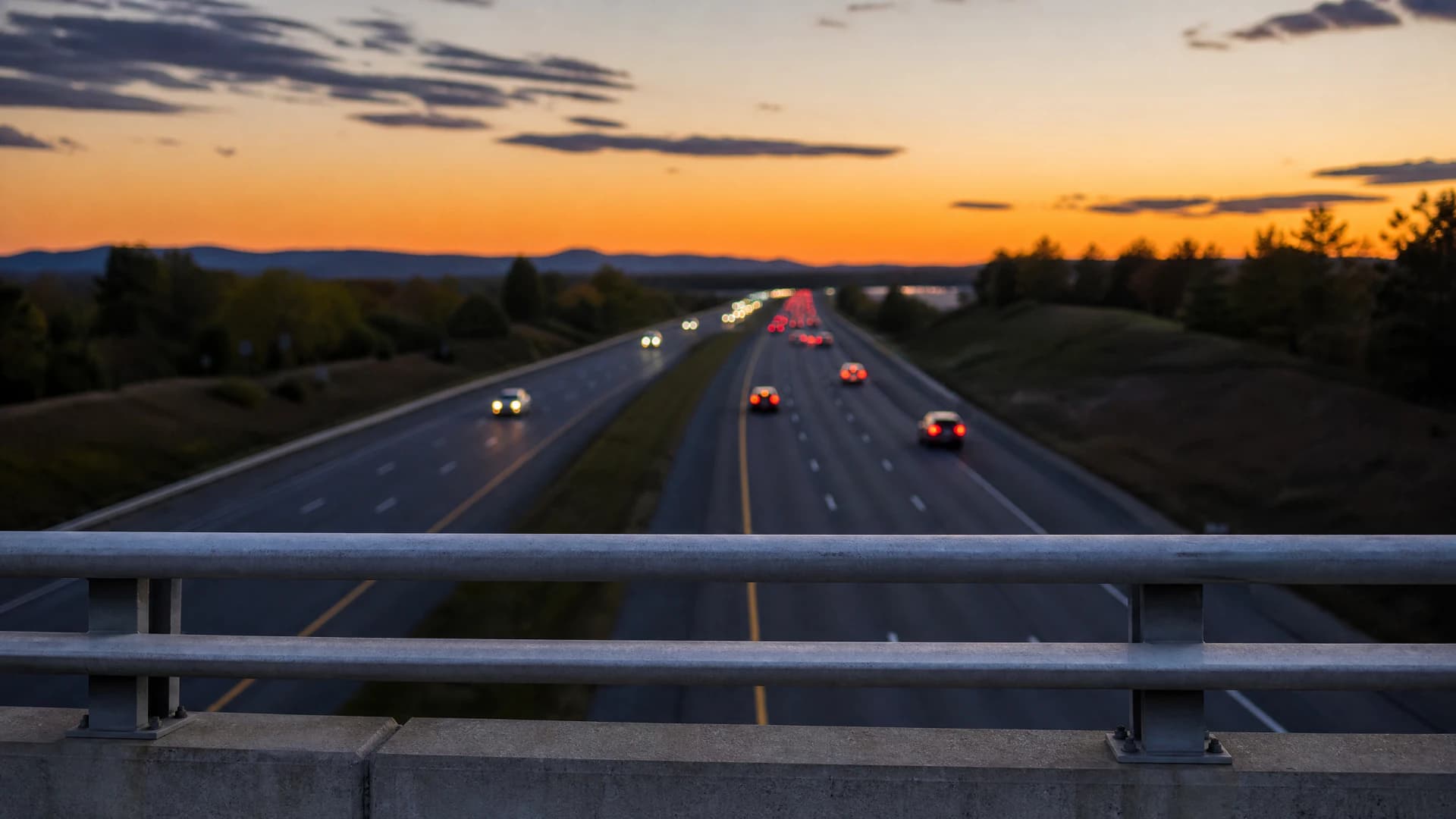
The APS suspension clock starts whether or not you are convicted in criminal court. Waiting for your court case to resolve does not stop the DMV's administrative timeline.



Restricted License Eligibility After 30 Days
California allows first-offense refusal drivers to obtain a restricted license after completing the mandatory 30-day hard suspension, but only if you install an ignition interlock device and enroll in a DUI program. This option became available statewide in January 2019 under AB 91. The restricted license permits driving to and from work, during the course of employment, and to and from the DUI program. It does not permit personal errands, childcare pickups, or social driving.
To obtain the restricted license, you must submit proof of IID installation from a state-certified vendor, proof of enrollment in a licensed DUI program, proof of SR-22 filing, and payment of the $125 reissue fee to the DMV. The IID must remain installed for the full 12-month restricted license period. Removing the device early, tampering with it, or allowing another person to provide a breath sample results in immediate revocation of the restricted license and extension of your suspension.
The restricted license does not shorten your suspension period. It allows limited driving during the suspension, but the full 1-year APS suspension remains on your record. After the suspension lifts, you still owe the remaining balance of the 3-year SR-22 maintenance period. If you completed 12 months of restricted driving with SR-22, you still have 24 months of SR-22 coverage ahead before the DMV releases the filing requirement.
$125
CA License Reissue Fee
California charges a $125 reissue fee under Vehicle Code §14904 to reinstate a suspended license, whether you are applying for a restricted license after the 30-day hard period or full reinstatement after the suspension ends. This fee applies to both APS and criminal suspensions.
California Vehicle Code §14904
SR-22 Filing Costs and Carrier Options
SR-22 is not insurance. It is a certificate your carrier files with the DMV proving you carry at least California's minimum liability coverage: $15,000 bodily injury per person, $30,000 per accident, and $5,000 property damage. The SR-22 filing itself typically costs $15 to $25 as a one-time processing fee. The expensive part is the premium increase your carrier imposes once the SR-22 is filed. Drivers with a refusal on record typically see premiums rise to $180 to $280 per month, depending on age, county, and prior driving history.
Not all carriers write SR-22 policies in California, and many standard carriers non-renew policies once a DUI or refusal appears on your record. Carriers confirmed to write SR-22 in California after DUI or refusal include Geico, Progressive, The General, Dairyland, Bristol West, National General, and Infinity. If you do not currently own a vehicle, you need a non-owner SR-22 policy. State Farm, Geico, Progressive, USAA, and The General all offer non-owner SR-22 in California. Non-owner policies typically run $50 to $90 per month and satisfy the DMV's SR-22 requirement without insuring a specific vehicle.
Compare SR-22 Carriers Before You File
Rates vary significantly across carriers for the same driver profile. Getting quotes from at least three carriers writing SR-22 in California ensures you are not overpaying for the 3-year filing period. The filing must remain continuous for the full 3 years. If your carrier cancels for non-payment or you switch carriers without maintaining uninterrupted coverage, the DMV treats the lapse as a new violation and resets your SR-22 clock. Use the comparison tool to pull quotes from multiple carriers simultaneously and lock in coverage before your suspension hearing or court date.
Criminal Conviction Adds a Second SR-22 Obligation
The criminal suspension for first-offense DUI typically lasts 6 months, but it runs concurrently with the APS suspension if both are active. California does not stack the two suspensions end-to-end. However, the criminal court's reinstatement requirements are distinct: you must complete a court-ordered DUI program, pay the $125 DMV reissue fee, and file SR-22 to satisfy the criminal court's reinstatement conditions. If you already filed SR-22 to satisfy the APS track, that same continuous SR-22 coverage satisfies both systems, but the 3-year SR-22 maintenance period applies to whichever filing is later.
If you are acquitted or charges are dropped in criminal court, the APS suspension remains in effect. The DMV does not reverse an administrative suspension based on a favorable court outcome. The two systems do not communicate retroactively. Conversely, if the APS hearing rules in your favor and the administrative suspension is set aside, you still face the criminal suspension if convicted in court. You must track both independently.
Get Your Free Quote
Get My California Suspended License Insurance QuoteFrequently Asked Questions
Do I need SR-22 if I refused the breathalyzer but was never convicted of DUI?
Yes. California's Administrative Per Se suspension under Vehicle Code §13353 requires SR-22 filing to reinstate your license after a breathalyzer refusal, even if you are never convicted in criminal court. The administrative suspension is independent of the criminal case.
How long does SR-22 filing last after a breathalyzer refusal in California?
California requires 3 years of continuous SR-22 coverage from the date you file with the DMV. If your SR-22 lapses at any point during the 3-year period, the DMV immediately re-suspends your license and resets the clock.
Can I get a restricted license in California after refusing a breathalyzer?
Yes, after completing the mandatory 30-day hard suspension. You must install an ignition interlock device, enroll in a DUI program, file SR-22, and pay the $125 reissue fee. The restricted license allows driving to work and DUI program only.
What happens if I am suspended by both the DMV and the criminal court?
The suspensions run concurrently, not consecutively. You serve one combined suspension period, but you must satisfy reinstatement requirements for both systems. Continuous SR-22 coverage satisfies both the APS and criminal suspension SR-22 obligations simultaneously.
How much does SR-22 insurance cost after a breathalyzer refusal in California?
Premiums typically range from $180 to $280 per month for drivers with a refusal on record, depending on age, county, and prior history. The SR-22 filing fee itself is $15 to $25. Non-owner SR-22 policies cost approximately $50 to $90 per month.
Will my SR-22 requirement go away if I win my DUI case in court?
Not if the APS suspension was upheld. The DMV's administrative suspension is independent of the criminal court outcome. Even if charges are dropped or you are acquitted, the APS suspension and its SR-22 requirement remain in effect unless you won your DMV hearing.