
Reckless Driving Insurance — California
Free to compare
The SR-22 Confusion Most Reckless Drivers Face
You received a California reckless driving conviction under Vehicle Code 23103, searched online for next steps, and now you're reading conflicting information about whether you need an SR-22 filing. Some sites say yes, some say no, and your insurer's customer service line put you on hold for 40 minutes before transferring you to a department that couldn't answer the question.
Here's the structural reality: California does not require SR-22 filing for a standalone reckless driving conviction. The DMV does not suspend your license for this violation alone, so there is no reinstatement filing requirement. But that doesn't mean your insurance situation is simple — in fact, the SR-22 question distracts from the actual problem you face, which is finding any carrier willing to write you a policy at all after this conviction posts to your record.
“The blocker is not SR-22 filing requirements — it's finding a carrier willing to write you at all for the next 36 months.”

Get Insured and Get Your California License Back
Get My California Suspended License Insurance Quote36 months
California Lookback Period
Carriers in California rate reckless driving convictions for three full years from the conviction date. Your premium increase does not phase out gradually — you pay high-risk rates for the entire 36-month window, then drop to standard tier when the conviction ages off the underwriting view.
California Department of Insurance rate filing guidelines
What Actually Happens to Your Policy
When your reckless driving conviction posts to your MVR, your current carrier receives the update at your next policy renewal. California law does not require them to cancel mid-term for this violation, so you typically stay covered until your renewal date. At renewal, most preferred and standard carriers either non-renew your policy or move you to a high-risk subsidiary with significantly higher premiums.
The premium increase is substantial. Reckless driving is coded as a major violation — not quite as severe as DUI, but above speeding tickets and at-fault accidents in the underwriting hierarchy. Expect your premium to increase 40–60% compared to your pre-conviction rate. If you were paying $120/month for full coverage before the conviction, you're now looking at $180–$240/month with a carrier willing to write high-risk policies.
Some drivers receive renewal offers from their existing carrier at the inflated rate. Others receive non-renewal notices 30–45 days before the policy expires. Non-renewal is not a cancellation — your coverage remains in effect through the expiration date, giving you time to shop for replacement coverage. But the replacement market is limited. Preferred carriers like USAA and Amica will not write new business for drivers with recent reckless driving convictions. You're shopping in the non-standard and high-risk carrier tier.
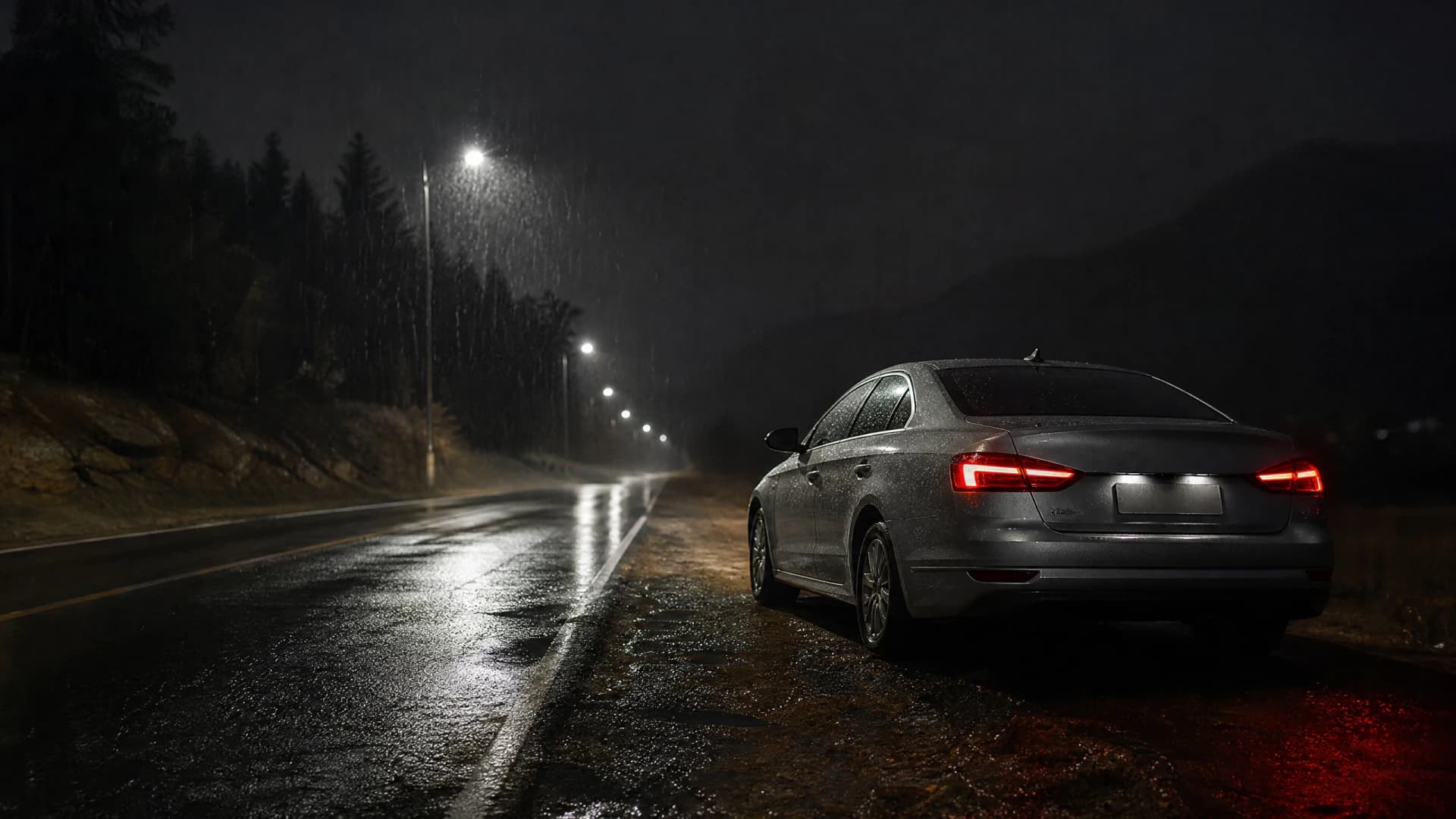
The blocker is not the DMV or SR-22 filing requirements. The blocker is that most California carriers will not write you a new policy until this conviction is 36 months old.
Related Articles



When SR-22 Actually Applies
SR-22 filing is required in California when your license is suspended and reinstatement is conditioned on proof of financial responsibility. Reckless driving alone does not suspend your license, so no SR-22 is required. But two scenarios trigger both a suspension and an SR-22 requirement even when reckless driving is the underlying charge.
First, if you are convicted of reckless driving as a reduced charge from an original DUI arrest, the DMV treats this as a DUI-related suspension. California prosecutors often negotiate wet reckless pleas under Vehicle Code 23103.5, which carries a shorter jail term and smaller fine than DUI but still triggers DMV administrative action. The DMV's Administrative Per Se process runs parallel to the criminal case, and even if your criminal charge is reduced to reckless, the DMV suspension remains in effect. You will need SR-22 filing to reinstate after the suspension period ends, and you must maintain the SR-22 for three years.
Second, if you accumulate four or more points on your driving record within 12 months, or six points within 24 months, the DMV suspends your license as a negligent operator under Vehicle Code 12810. Reckless driving adds two points to your record. If this conviction pushes you over the negligent operator threshold, the DMV issues a suspension and requires SR-22 filing at reinstatement. Check your current point total before assuming SR-22 does not apply — the conviction itself doesn't require it, but your cumulative record might.
$180–$240/mo
High-Risk Premium Range California
Full coverage premium estimates for a 35-year-old California driver with one reckless driving conviction, no other violations, and minimum 100/300/100 liability limits. Actual quotes vary by county, age, vehicle, and carrier. Estimates based on available industry data; individual results vary.

Shopping Strategy That Actually Works
Do not call your current carrier and ask hypothetically what will happen at renewal. That conversation accomplishes nothing and flags your account for underwriting review before the conviction even posts. Wait for the renewal notice, read it carefully, and respond only if they non-renew or price you out.
Start shopping 45 days before your current policy expires. Quote with at least five carriers from the list above — Progressive, Geico, The General, Bristol West, and one broker who can access Kemper, Dairyland, and regional carriers. Quotes will vary by $40–$80/month for identical coverage. The lowest quote is not always the best choice — check the payment plan terms, cancellation fees, and whether the carrier allows you to remove the reckless surcharge early if you complete traffic school.
Traffic school does not remove the conviction from your record in California for reckless driving charged under 23103. That statute is not eligible for confidential conviction under Vehicle Code 1808.7. But some carriers offer a discount after you complete a defensive driving course even when the conviction remains visible. Ask each carrier explicitly whether completing traffic school reduces your premium before the 36-month lookback expires.
What Happens After Three Years
Reckless driving convictions remain on your California DMV record for 10 years, but carriers only rate violations within the most recent 36 months. Once your conviction date is three years old, you re-enter the standard insurance market. Your current high-risk carrier will not automatically reduce your rate — you must shop and switch to a preferred carrier to capture the lower premium.
At the 36-month mark, quote with the carriers who non-renewed you originally. USAA, State Farm, Amica, and other preferred carriers will now write you new business as long as you have no additional violations during the three-year window. Your rate will drop 40–50% compared to what you paid during the high-risk period. Some drivers stay with their high-risk carrier out of inertia and overpay by $600–$900/year. Set a calendar reminder for 35 months from your conviction date and start shopping before the three-year anniversary hits. That's when your bargaining position returns and carriers compete for your business again.
Who Writes Reckless Drivers in California
Progressive, Geico, and The General are the three largest carriers writing new business for California drivers with recent reckless driving convictions. Progressive operates a tiered underwriting model and will quote you through their non-standard tier. Geico's high-risk division writes reckless drivers but prices aggressively — expect quotes 50–70% higher than your pre-conviction premium. The General specializes in high-risk and suspended-license drivers and often provides the most competitive rate for this profile, though their customer service reputation is mixed.
Bristol West, Dairyland, Acceptance, Infinity, and National General also write high-risk California drivers. These are regional or specialty carriers with smaller market share but often better pricing than the national names for drivers with major violations. Coverage limits and payment plan flexibility vary — some require six-month policies paid in full, others allow monthly billing. Kemper writes through independent agents only, so you'll need to work with a broker rather than quoting online. None of these carriers appear on "best auto insurance" lists, but all are financially stable and licensed by the California Department of Insurance.
Get Your Free Quote
Get My California Suspended License Insurance QuoteFrequently Asked Questions
Does reckless driving in California require SR-22 insurance?
No. California does not require SR-22 filing for a standalone reckless driving conviction under Vehicle Code 23103. SR-22 is required only when your license is suspended and reinstatement is conditioned on proof of financial responsibility. Reckless driving alone does not suspend your license.
How much does insurance go up after reckless driving in California?
Expect a 40–60% premium increase for 36 months. If you paid $120/month before the conviction, you'll pay $180–$240/month with a high-risk carrier. The increase remains in effect for three full years from the conviction date, then drops when the violation ages off the underwriting view.
Will my insurance company drop me for reckless driving?
Most preferred and standard carriers will non-renew your policy at your next renewal date after the conviction posts. They cannot cancel mid-term for this violation under California law, so your coverage continues until expiration. You'll need to shop with non-standard carriers like Progressive, Geico, The General, or Bristol West.
Can I get cheap insurance with a reckless driving conviction in California?
No cheap options exist during the 36-month lookback period. The lowest available rates come from carriers specializing in high-risk drivers: The General, Bristol West, Dairyland, Acceptance, and Infinity. Quote with at least five carriers — premiums vary by $40–$80/month for identical coverage.
Does traffic school remove reckless driving from my California insurance record?
No. Traffic school does not make reckless driving convictions confidential under California Vehicle Code 1808.7. The conviction remains visible to insurers for 36 months. Some carriers offer a small discount after you complete defensive driving courses, but the conviction itself stays on your MVR and continues to affect your rate.
When does reckless driving require SR-22 in California?
SR-22 is required if reckless driving was a reduced charge from DUI (wet reckless under VC 23103.5) or if the conviction pushes you over the negligent operator point threshold, triggering a license suspension. In both cases, the DMV suspends your license and requires SR-22 filing at reinstatement.