
Cheapest Insurance After Second DUI — California
Free to compare
The Rate Shock Waiting After Your Second DUI
You completed your court date, paid the fines, enrolled in the 18-month DUI program California requires for second offenses, and now you're facing the insurance conversation. The first carrier quote comes back at $340/month. The second won't write you at all. The third quotes $280/month but won't cover a vehicle with an ignition interlock device installed, which California mandates for your restricted license.
California treats second DUI offenses categorically differently from first offenses—not just in suspension length but in the insurance market's willingness to write coverage. The mandatory IID requirement under Vehicle Code 13353.7 eliminates most standard carriers from consideration. You're now shopping in the non-standard market, where rate differences between carriers writing IID-equipped SR-22 policies can exceed $150/month for identical coverage limits.
“Rate spread within California's second-DUI SR-22 market regularly exceeds $1,800 per year for identical coverage—comparison is the only cost lever you control.”
Get Insured and Get Your California License Back
Get My California Suspended License Insurance Quote$180–$320/mo
Second-DUI SR-22 Premium Range CA
Non-standard carriers writing California second-DUI SR-22 with IID acceptance typically quote between $180 and $320 per month for state-minimum liability coverage. Position within this range depends on county, age, vehicle value, and whether the carrier considers you a preferred non-standard risk or maximum-risk tier.
Estimates based on available carrier filing data; individual rates vary
Why the IID Requirement Cuts Your Carrier Options in Half
California's statewide IID mandate for second DUI offenses—enacted under SB 1046 and codified in Vehicle Code 13353.7—requires ignition interlock installation for up to two years as a condition of obtaining a restricted license after the one-year hard suspension. The restricted license allows driving to work, DUI program appointments, and IID service appointments only. You cannot get the restricted license without the IID installed first.
The structural problem: many carriers who write SR-22 filings refuse to insure vehicles equipped with ignition interlock devices. This is not a California-specific underwriting rule—it reflects national carrier reluctance to assume liability for vehicles where alcohol-impaired operation remains mechanically possible if the device malfunctions or is bypassed. Carriers who accept IID-equipped vehicles charge materially higher premiums to offset perceived bypass risk.
The carriers left standing—Bristol West, Dairyland, The General, Progressive's non-standard division, and regional non-standard specialists—represent the entire market for second-DUI California drivers during the IID-restricted period. Shopping outside this group wastes time. Your goal is to compare every carrier in this group, because rate spread within the available market is the only cost variable you control.
The IID requirement eliminates standard-tier carriers entirely. Your rate is determined by which non-standard carrier considers your county and age profile least risky.

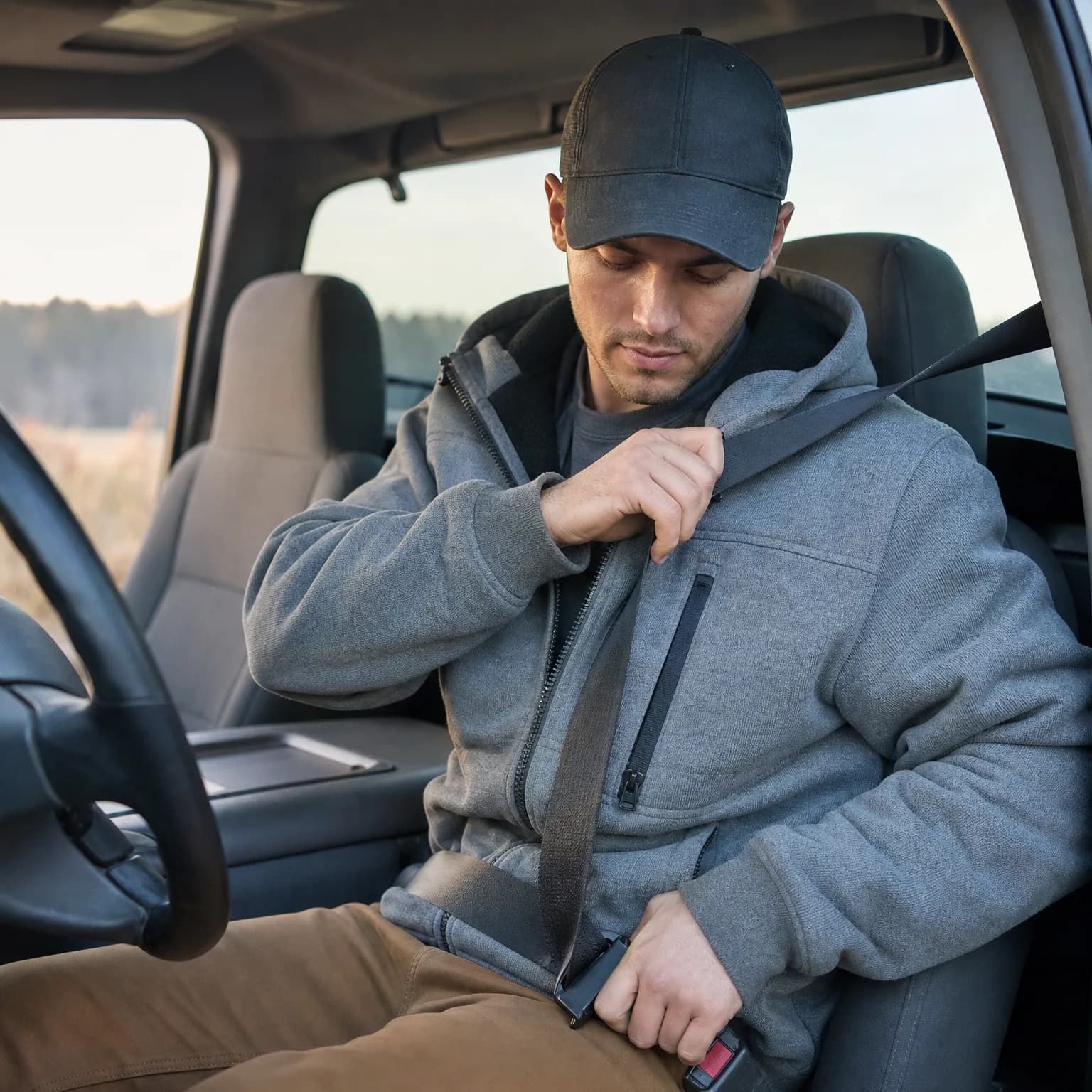
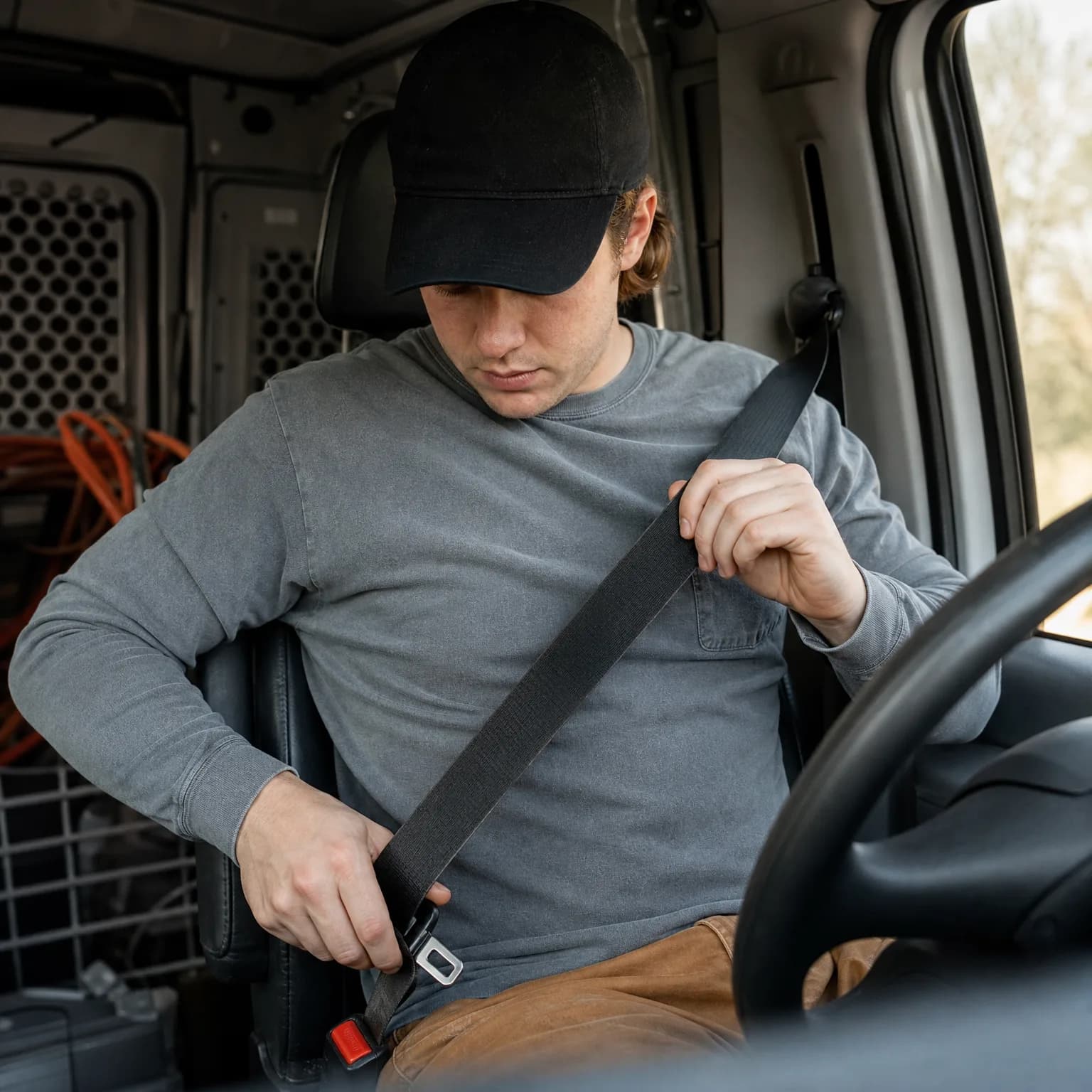
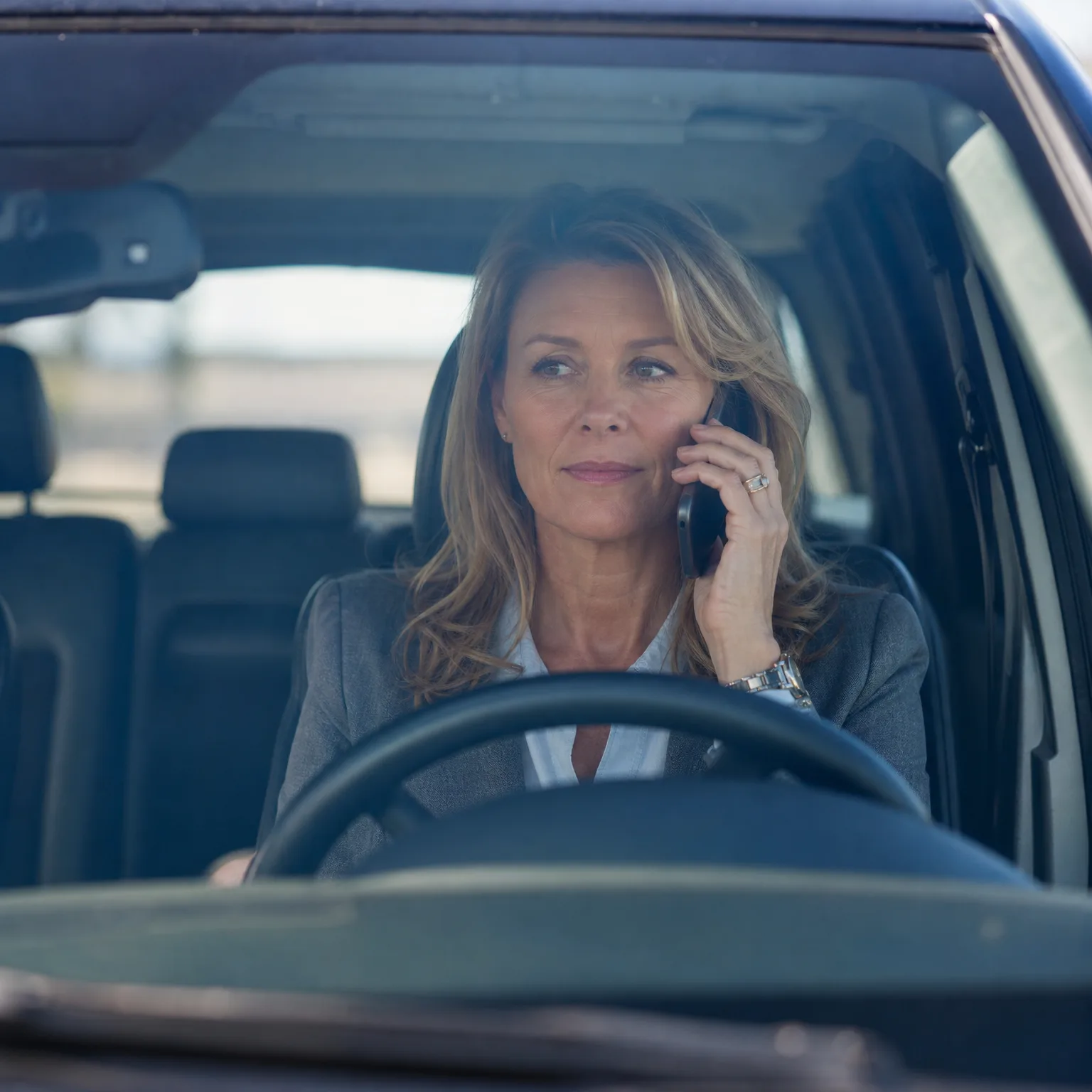
The SR-22 Filing and IID Installation Sequence
California requires you to file SR-22 proof of insurance with the DMV before the restricted license is issued. The SR-22 filing itself costs $15 to $25 as a one-time carrier processing fee. Your carrier electronically files the SR-22 certificate with the DMV on your behalf. The DMV will not process your restricted license application until the SR-22 filing appears in their system, which takes one to three business days after your policy activates.
The IID must be installed by a state-certified provider before you apply for the restricted license. Installation costs $70 to $150 depending on provider and vehicle type. Monthly IID service and calibration runs $60 to $80. The restricted license application requires proof of IID installation, proof of DUI program enrollment, payment of the $125 reissue fee, and the SR-22 filing confirmation. Missing any one of these blocks the application.
Failure mode most drivers miss: if your SR-22 policy lapses for any reason—missed payment, carrier cancellation, voluntary cancellation—the DMV receives automatic electronic notice and re-suspends your license immediately. There is no grace period. The three-year SR-22 period restarts from the date you re-file, not from your original filing date. A single missed payment in month 34 of 36 resets the clock to month zero.
3 years
California SR-22 Filing Duration
California requires continuous SR-22 filing for three years from the date of restricted license issuance for second DUI convictions under Vehicle Code 13353.7. Any lapse in coverage during this period triggers immediate re-suspension and restarts the three-year clock. The IID requirement runs concurrently for the first two years.
California Vehicle Code §13353.7
How to Compare Carriers When Standard Brokers Won't Quote You
Most national insurance broker websites—the ones advertising instant online quotes—will not return results for drivers with two DUI convictions within ten years. Their quoting engines screen out second-DUI applicants at the eligibility stage before carrier systems ever see your application. This does not mean coverage is unavailable. It means you cannot shop through standard consumer quote portals.
Direct contact with non-standard carriers produces quotes standard brokers cannot access. Bristol West, Dairyland, and The General all write California second-DUI SR-22 policies with IID acceptance and will quote directly via phone or online application. Progressive's non-standard division writes these policies but routes them through independent agents rather than the main Progressive website. Calling a local independent agent who explicitly advertises SR-22 and high-risk coverage accesses this market faster than attempting online-only shopping.
Compare Every Available Carrier Before You Commit
Rate variation within the non-standard market is not marginal—it is structural. The difference between the highest and lowest quote for identical state-minimum SR-22 coverage in the same county regularly exceeds $1,800 per year. Accepting the first quote you receive because you assume all second-DUI rates are uniformly high costs you real money across the three-year SR-22 period.
Start by requesting quotes from every carrier confirmed to write California second-DUI IID-equipped SR-22 policies: Bristol West, Dairyland, The General, Progressive non-standard, Acceptance, Infinity, and Kemper. Provide identical information to each—same coverage limits, same vehicle, same address. Compare the monthly premium, the SR-22 filing fee, and whether the carrier requires a down payment exceeding one month's premium. The lowest total first-month cost is your target. Once you identify the lowest rate, verify the carrier will file SR-22 electronically with the California DMV and confirm IID acceptance in writing before you pay.
What Drives Rate Differences in the Non-Standard Market
County matters more in California than in most states because non-standard carriers use ZIP-level accident frequency and theft data to price policies. Los Angeles, San Bernardino, and Alameda counties consistently produce higher quotes than rural Northern California counties for identical coverage. If you moved counties between your first and second DUI, expect your rate to reflect your current county's risk profile, not where the conviction occurred.
Vehicle value influences rate but not in the direction most drivers expect. Insuring a 2018 sedan costs more than insuring a 2008 sedan with identical liability limits because the newer vehicle's higher replacement cost increases the carrier's exposure if you cause an at-fault accident while impaired. Comprehensive and collision coverage—not required for SR-22 compliance—add $60 to $110 per month on top of liability. Most second-DUI drivers carry liability-only during the SR-22 period to minimize premium.
Get Your Free Quote
Get My California Suspended License Insurance QuoteFrequently Asked Questions
Do I need insurance during the one-year hard suspension after a second DUI in California?
No. California does not require you to maintain insurance during the hard suspension period when you are prohibited from driving entirely. You are required to obtain SR-22 insurance before applying for a restricted license after the one-year hard suspension ends.
Can I get a restricted license immediately after a second DUI in California?
No. California imposes a mandatory one-year hard suspension for second DUI offenses under Vehicle Code 13352(a)(3) before restricted license eligibility begins. After the one-year period, you may apply for a restricted license if you install an IID, enroll in an 18-month DUI program, file SR-22, and pay the $125 reissue fee.
How long does the ignition interlock device stay on my car after a second DUI?
California requires IID installation for two years as a condition of obtaining a restricted license after a second DUI under Vehicle Code 13353.7. The device must remain installed for the full two-year period. Removing it early triggers automatic license re-suspension.
What happens if I let my SR-22 insurance lapse during the three-year filing period?
The California DMV receives automatic electronic notice of the lapse within 24 hours and re-suspends your license immediately. There is no grace period. When you re-file SR-22, the three-year filing period restarts from the new filing date, not your original date.
Will my rate go down after I complete the SR-22 filing period?
Rates typically decrease after the three-year SR-22 period ends and the IID is removed, but the second DUI conviction remains on your California driving record for ten years. Most carriers will re-evaluate you into a lower-risk tier after three to five years without additional violations, but you will not return to standard-market rates until the conviction ages off your record.
Can I use a non-owner SR-22 policy if I don't own a vehicle after my second DUI?
Yes. California accepts non-owner SR-22 policies for restricted license reinstatement if you do not own a vehicle. Non-owner policies provide liability coverage when you drive a borrowed or rented vehicle and satisfy the SR-22 filing requirement. Rates for non-owner SR-22 after a second DUI typically run $80 to $160 per month.