
Non-Owner SR-22 After License Suspension — California
Free to compare
Why California Requires Insurance When You Don't Own a Car
Your license was suspended for a DUI, uninsured accident, or negligent operator points. You sold your car or never owned one. Now California's DMV reinstatement letter demands continuous SR-22 proof of insurance filing for three years. This requirement feels contradictory until you understand what SR-22 actually certifies: not vehicle coverage, but your financial responsibility as a licensed driver. California Vehicle Code §16070 ties the filing to your driver record, not to a specific vehicle registration.
Non-owner SR-22 policies were designed for exactly this scenario. They satisfy California's financial responsibility requirement without insuring a vehicle you don't own. The policy covers liability when you drive someone else's car occasionally — a rental, a friend's vehicle, or a borrowed car. DMV doesn't care whether you currently drive; they care that if you do drive during your three-year SR-22 period, you carry minimum liability limits of $30,000 per person, $60,000 per accident, and $15,000 property damage per California's statutory floor.
“Non-owner SR-22 satisfies California's proof requirement at 40–60% less cost than standard policies, yet most carriers hide this option behind their quote flow.”
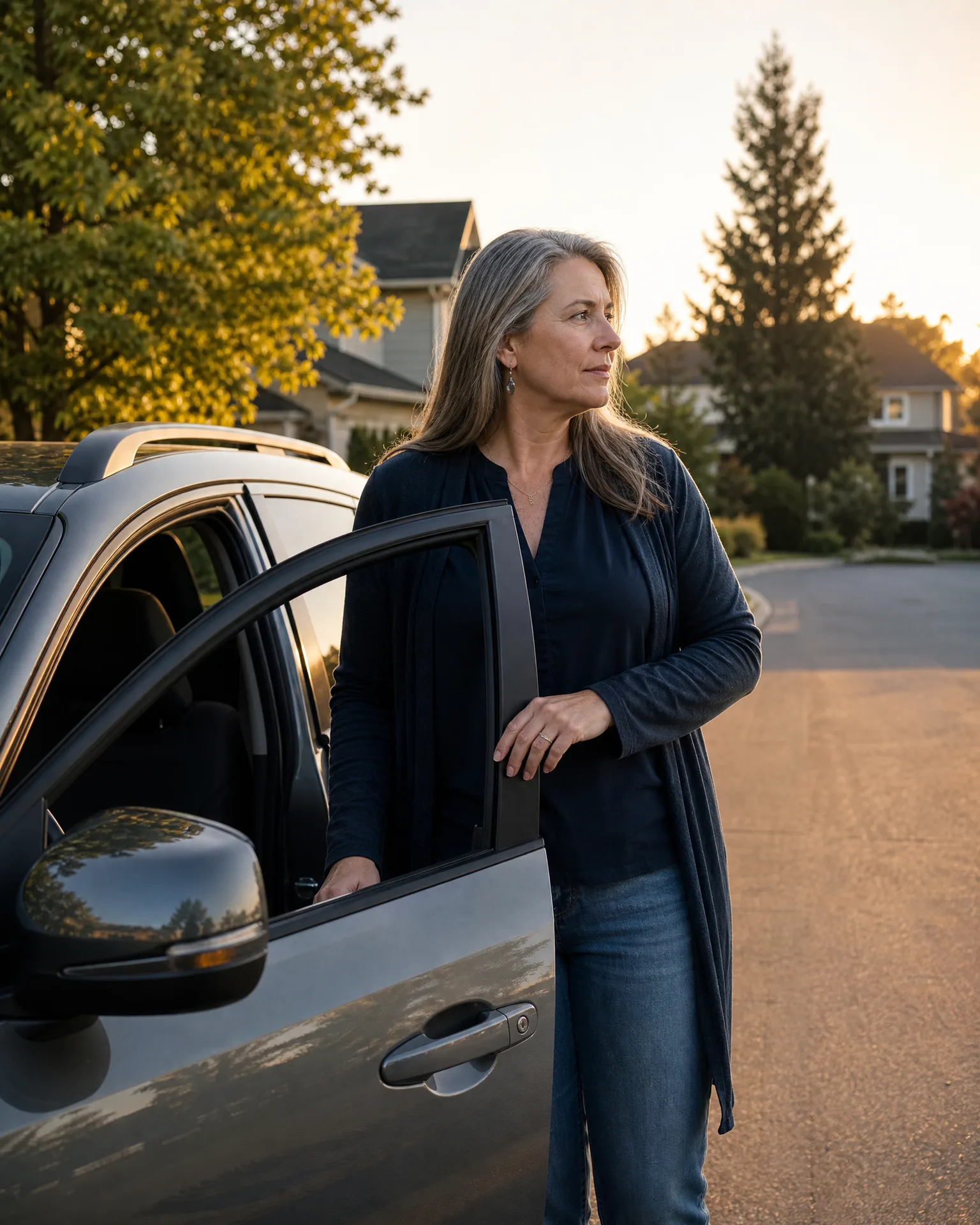
Get Insured and Get Your California License Back
Get My California Suspended License Insurance Quote$125
California SR-22 Reinstatement Fee
This is the administrative reissue fee you pay DMV when you reinstate after most suspensions, separate from the SR-22 filing cost your carrier charges. The fee applies whether you own a vehicle or buy non-owner coverage.
California Vehicle Code §14904
Non-Owner SR-22 Costs 40–60% Less Than Standard Policies
Non-owner policies cost significantly less than standard auto insurance because they exclude collision, comprehensive, and the vehicle-specific risk calculations that drive standard premiums. In California's non-standard market, suspended drivers typically pay $25–$45 per month for non-owner SR-22 coverage. Standard policies for the same driver profile run $85–$140 monthly because they include vehicle coverage and higher underwriting tiers for suspended license holders.
The structural savings come from what the policy excludes. Non-owner SR-22 carries only liability coverage. No collision repairs, no comprehensive claims, no vehicle replacement. The carrier's exposure is limited to third-party injuries or property damage you cause while driving someone else's car. Most non-owner policyholders file zero claims during their SR-22 period because they drive infrequently or not at all. This claims pattern keeps premiums low even for suspended-license applicants.
Carriers writing California non-owner SR-22 for suspended drivers include Dairyland, Geico, Progressive, State Farm, and The General. Bristol West and National General also write this coverage but require broker contact rather than direct online quoting. Not all carriers offer non-owner policies, and not all that do will write suspended-license applicants. The approved carrier list above reflects confirmed availability as of current underwriting guidelines.
Most California carriers hide non-owner SR-22 behind their standard quote flow. You must explicitly request non-owner coverage when applying — if you don't name it, they'll quote a standard policy or decline entirely.

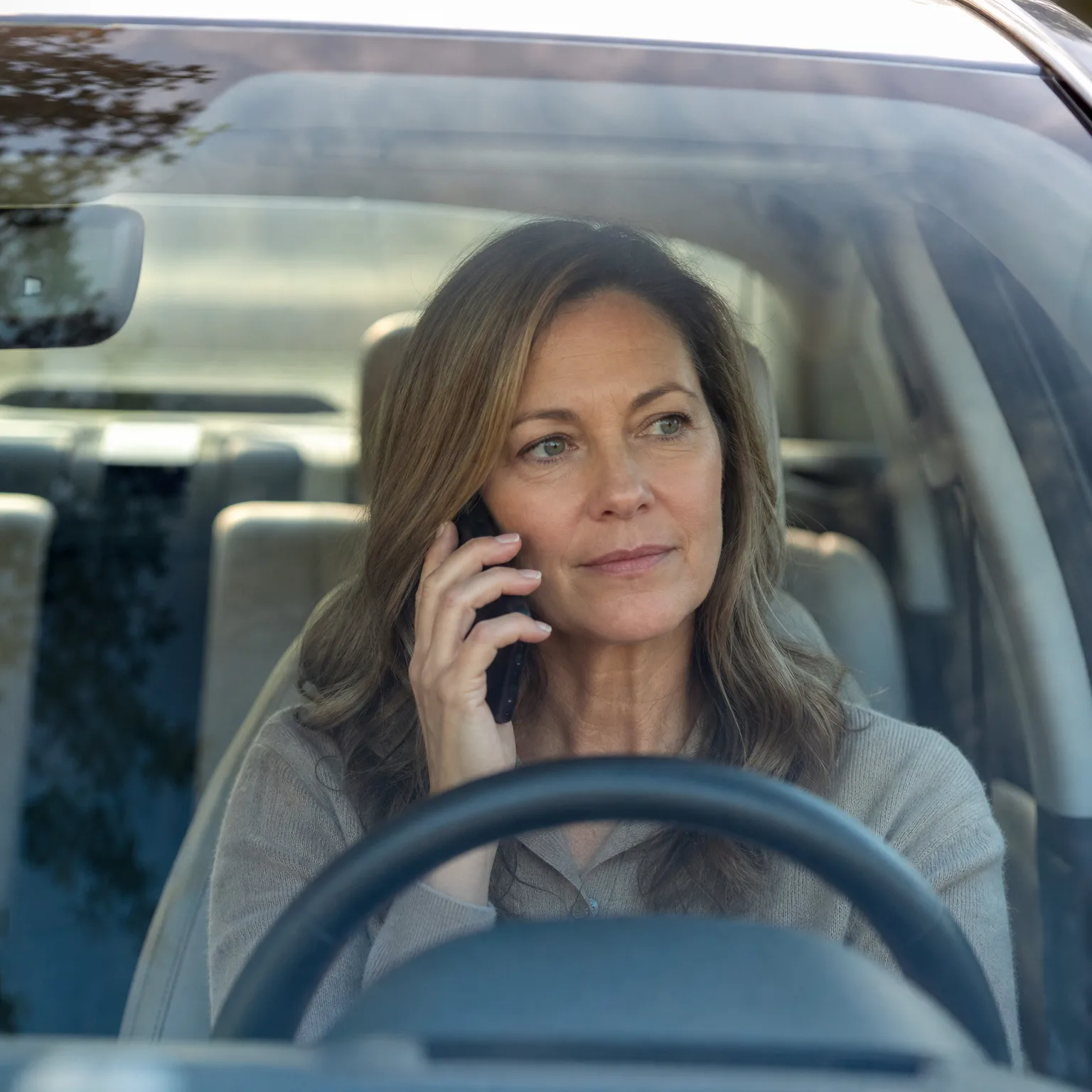

How to Apply for Non-Owner SR-22 Without Getting Declined
Start by confirming you genuinely qualify for non-owner coverage. You must not own a registered vehicle in California, must not be listed on anyone else's auto policy as a regular driver, and must not live in a household where you have regular access to a vehicle unless that vehicle's owner explicitly excludes you from their policy. Carriers verify vehicle ownership through DMV registration databases and household composition through your application answers. Misrepresenting either results in automatic decline or post-issue cancellation.
When requesting quotes, state upfront that you need non-owner SR-22 for California DMV reinstatement. Do not complete a standard auto insurance quote form and hope the system routes you correctly. Most online quote engines default to standard policies and will decline you for not listing a vehicle. Call the carrier directly or use broker contact for carriers that require it. Provide your suspension trigger, suspension date, and reinstatement timeline. Carriers writing suspended-license non-owner SR-22 expect this background and price accordingly.
Expect the carrier to file SR-22 electronically with California DMV within 1–5 business days of policy issue. The filing itself is automatic once your first payment clears. DMV processes the SR-22 and updates your driver record, but reinstatement is not immediate. You must still satisfy all other reinstatement conditions: complete any required DUI program, pay the $125 reissue fee, install an ignition interlock device if your suspension was DUI-triggered under California's IID mandate, and wait out any hard suspension period before DMV grants restricted or full driving privileges.
3 years
California SR-22 Filing Period
SR-22 filing must remain active and continuous for three years from your California reinstatement date for most DUI and negligent operator suspensions. Any lapse in coverage triggers immediate DMV re-suspension and restarts the three-year clock from zero.
California Vehicle Code §16070

SR-22 Lapses Restart Your Three-Year Clock
California's Electronic Financial Responsibility system monitors your SR-22 filing in real time. When your non-owner policy lapses for non-payment or cancellation, your carrier electronically notifies DMV the same day. DMV immediately re-suspends your license and mails a suspension notice. The three-year SR-22 requirement does not pause during the lapse — it resets entirely. If you lapse after two years of clean filing, you start over at day zero once you reinstate again.
Most lapses happen because drivers assume they can cancel once they're no longer driving or because they switch carriers without ensuring the new SR-22 files before the old one cancels. Maintain continuous coverage for the full three years even if you never drive during that period. Set payment to autopay and verify annual renewal notices arrive. If you must switch carriers, confirm the new carrier has filed SR-22 with DMV and that DMV has processed it before you cancel the old policy. A gap of even one day triggers re-suspension.
Compare Carriers That Actually Write Suspended Drivers
Not all carriers writing non-owner SR-22 in California accept suspended-license applicants. Geico, Progressive, State Farm, Dairyland, and The General confirm availability for this combination as of current underwriting. Bristol West and National General write it but require broker contact. Acceptance Insurance writes SR-22 and after-DUI coverage but non-owner availability varies by underwriting tier. Start with carriers confirmed to write both non-owner and suspended-license profiles to avoid declines that add inquiries to your record.
Request quotes from at least three carriers. Premiums vary by your suspension trigger, time since suspension, county of residence, and coverage limits you select. A Los Angeles County driver suspended for DUI pays differently than a Sacramento driver suspended for points accumulation. Minimum state limits keep monthly cost lowest, but some drivers choose $50,000/$100,000/$25,000 limits for marginal additional premium. Compare total three-year cost including filing fees, not just monthly premiums, because some carriers front-load costs.
What Non-Owner SR-22 Actually Covers in California
The policy activates when you drive a vehicle you do not own and that vehicle's owner has given you permission to drive. Covered scenarios include borrowing a friend's car for errands, driving a rental car for a weekend trip, or using a family member's vehicle while yours is unavailable. The policy pays third-party bodily injury and property damage claims up to your selected limits when you cause an accident. It does not pay to repair the vehicle you were driving — that responsibility falls to the vehicle owner's insurance or to you personally if their policy excludes permissive drivers.
Non-owner SR-22 does not cover vehicles you own, lease, or live with. If you own a registered vehicle in California, even one that doesn't run, you cannot use a non-owner policy to satisfy SR-22 filing for that vehicle. DMV cross-references your driver record against vehicle registrations. If a registration appears under your name, DMV expects a standard policy naming that vehicle. Similarly, if you live with a relative who owns a car and you drive it regularly, most carriers exclude coverage under the regular-use doctrine. The vehicle owner's policy becomes primary, and your non-owner policy won't respond.
Get Your Free Quote
Get My California Suspended License Insurance QuoteFrequently Asked Questions
Can I get non-owner SR-22 in California if I live with someone who owns a car?
Yes, but only if the vehicle owner's insurance policy explicitly excludes you as a driver or if you are not listed as a household member with regular access. Most carriers require proof of exclusion before issuing non-owner coverage to household residents. If you live with a car owner and are not excluded, you need to be added to their standard policy instead.
Does non-owner SR-22 cover rental cars in California?
Yes, non-owner SR-22 provides liability coverage when you rent a vehicle in California. The policy satisfies the rental agency's insurance requirement and covers third-party injury or property damage you cause. It does not cover damage to the rental vehicle itself — rental agencies offer separate collision damage waiver coverage for that exposure.
How long does it take for California DMV to process SR-22 filing?
Carriers electronically file SR-22 with California DMV within 1–5 business days of policy issue. DMV updates your driver record within 3–7 business days after receiving the filing. Reinstatement is not automatic — you must still complete all other requirements and pay the $125 reissue fee before DMV restores driving privileges.
What happens if I buy a car during my California SR-22 filing period?
You must immediately switch from non-owner SR-22 to a standard auto policy naming the vehicle you purchased. Non-owner policies exclude coverage for vehicles you own or lease. Contact your carrier the day you register the vehicle and add it to a standard policy with SR-22 endorsement to avoid a coverage gap that triggers DMV re-suspension.
Can I cancel non-owner SR-22 after California reinstates my license?
No, not until you complete the full three-year SR-22 filing period California requires. Reinstatement only restores your driving privileges — it does not end the SR-22 filing mandate. Canceling before three years triggers immediate re-suspension and restarts the clock from zero.
Do all California auto insurance carriers offer non-owner SR-22?
No. Non-owner SR-22 for suspended-license applicants is a specialty product. Carriers confirmed to write this combination in California include Geico, Progressive, State Farm, Dairyland, and The General. Bristol West and National General write it through brokers. Most preferred-tier carriers like Allstate and Travelers do not offer non-owner policies at all.