
Affordable Non-Owner SR-22 Insurance — California
Free to compare
The Non-Owner SR-22 Gap California Suspended Drivers Face
You sold your car after the suspension, or you never owned one in the first place. Now California's DMV letter says you need SR-22 insurance to start the reinstatement process. Every carrier you've called quotes you full-coverage rates—$110 to $185 per month—for a vehicle you don't drive. The quotes make no sense because you're not insuring a car. You're satisfying a filing requirement.
Non-owner SR-22 policies exist to close this exact gap. They carry liability-only coverage that activates when you drive someone else's vehicle, paired with the SR-22 certificate the DMV requires. California accepts non-owner SR-22 filings for reinstatement after DUI, negligent operator suspensions, uninsured accident violations, and most other common triggers. The policy costs substantially less than standard SR-22 because there's no vehicle to insure—typically $25 to $60 per month depending on your violation history and county.
“California DMV accepts non-owner SR-22 filings for reinstatement—the system doesn't distinguish between non-owner and standard SR-22, but carriers quote standard by default.”

Get Insured and Get Your California License Back
Get My California Suspended License Insurance Quote$25–$60/mo
Non-Owner SR-22 Premium Range
Non-owner SR-22 policies in California cost 40-60% less than standard SR-22 auto policies because they omit collision and comprehensive coverage. Premium varies by violation type, age, and ZIP code. Estimates based on available industry data; individual rates vary.
California carrier rate filings for non-owner liability policies, 2024
What Non-Owner SR-22 Actually Covers in California
A non-owner SR-22 policy provides California's minimum liability coverage—$15,000 per person for bodily injury, $30,000 per accident for bodily injury, and $5,000 for property damage. This is secondary coverage. If you borrow a friend's car and cause an accident, the vehicle owner's insurance pays first. Your non-owner policy fills gaps when the owner's coverage limits are exhausted or when you drive a rental.
The SR-22 certificate attached to the policy is a three-year filing obligation for most California DUI and negligent operator reinstatements. The carrier electronically files the SR-22 with the DMV immediately after you purchase the policy. If you let the policy lapse or cancel it before the three-year period ends, the carrier notifies the DMV within 24 hours and your license is re-suspended automatically under Vehicle Code Section 16070.
Non-owner SR-22 does not cover a vehicle you own, lease, or have regular access to. If you purchase a car later, you must convert to a standard SR-22 policy within 30 days. Driving your own uninsured vehicle while holding a non-owner policy voids coverage and triggers immediate SR-22 cancellation.
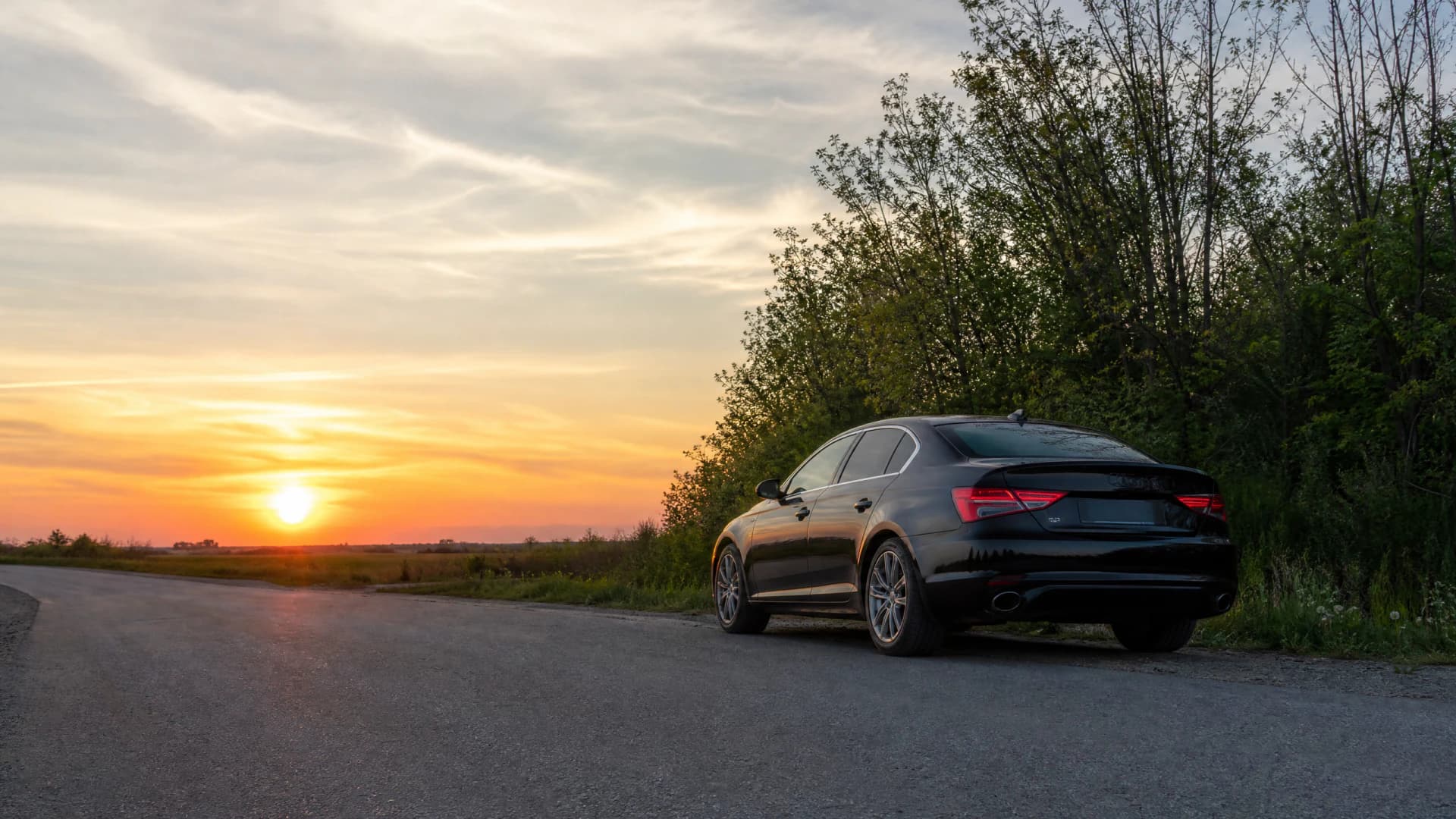
California DMV does not distinguish between non-owner SR-22 and standard SR-22 filings for reinstatement—both satisfy the same requirement, but most carriers quote standard SR-22 by default.

California Restricted License and Non-Owner SR-22 Interaction
If you're applying for a California restricted license after a DUI suspension, the DMV requires proof of SR-22 filing before issuing the restriction. Non-owner SR-22 satisfies this requirement. The restricted license allows driving to and from work, to and from a DUI treatment program, and within the scope of employment. You do not need to own a vehicle to hold a restricted license—many drivers use employer vehicles, rental cars, or borrowed vehicles under the restriction.
California's AB 91 expanded ignition interlock device installation as a mandatory component of DUI-related restricted licenses statewide as of January 1, 2019. If you do not own a vehicle, you must still arrange IID installation in any vehicle you intend to drive under the restriction—including employer vehicles if the employer consents, or a rental if the rental agency permits IID modifications. The IID requirement runs concurrently with the SR-22 filing period. Driving any vehicle without an installed and functioning IID while on a DUI restricted license violates the restriction and triggers immediate revocation, even if your non-owner SR-22 policy remains active.
The $125 restricted license application fee is separate from the $55 reinstatement fee you'll pay when the full suspension period ends. Budget both costs when planning your reinstatement timeline. Non-owner SR-22 premiums during the restricted license period are the same as after full reinstatement—the restriction status does not increase the policy cost.
3 years
California SR-22 Filing Period
California requires SR-22 filing for three years from the date of reinstatement after most DUI and negligent operator suspensions, per Vehicle Code Section 16073. The clock starts when you reinstate, not when you purchase the policy. Any lapse during the three-year period resets the requirement.
California Vehicle Code Section 16073
What Happens If You Cancel Non-Owner SR-22 Early
Carriers must notify California DMV within 15 days of any SR-22 policy cancellation or lapse under Vehicle Code Section 16056. In practice, most electronic filings reach the DMV within 24 to 48 hours. Once the DMV receives the cancellation notice, your driving privilege is suspended immediately—there is no grace period, no warning letter, and no 30-day countdown. If a highway patrol officer runs your license during a traffic stop after the lapse, you will be cited for driving on a suspended license under Vehicle Code Section 14601.
To avoid automatic re-suspension, you must maintain continuous SR-22 coverage for the full three-year period. If you switch carriers mid-period, the new carrier must file an SR-22 certificate with the DMV before you cancel the old policy. The gap between cancellation and new filing cannot exceed one day—coordinate the effective dates with both carriers before initiating the switch. Many California drivers mistakenly believe they can let the old policy lapse and file the new SR-22 a few days later. The DMV's system does not tolerate this gap.
When Non-Owner SR-22 No Longer Works
Non-owner SR-22 becomes invalid the moment you purchase, lease, or register a vehicle in your name. California Vehicle Code Section 16020 defines this as a change in risk that voids non-owner coverage. If you buy a car while holding a non-owner SR-22 policy and fail to convert to a standard SR-22 policy within 30 days, you are driving uninsured even though your non-owner policy remains active. The carrier will not cover any accident involving your owned vehicle, and the DMV considers you out of compliance with the SR-22 requirement.
Contact your carrier immediately when you acquire a vehicle. Most carriers allow same-day conversion from non-owner to standard SR-22 without restarting the three-year filing clock—the conversion continues the existing SR-22 obligation under the new policy. Your premium will increase because the new policy must cover collision and comprehensive risks for your vehicle, but the SR-22 filing itself remains continuous. If you wait longer than 30 days to notify the carrier, they may cancel your SR-22 filing rather than convert it, triggering DMV suspension.
Compare Non-Owner SR-22 Rates Before You Commit
California suspended drivers save an average of $480 to $1,500 annually by choosing non-owner SR-22 over standard SR-22 when they don't own a vehicle. The gap widens if you're under 25 or carry a DUI violation—carriers price standard SR-22 policies aggressively in these risk pools, but non-owner SR-22 premiums remain relatively flat because there's no vehicle to rate.
Request quotes from Progressive, GEICO, Dairyland, State Farm, and The General as your baseline comparison. Submit identical information to each carrier: your violation type, suspension date, county, and whether you need immediate SR-22 filing or can wait for a future reinstatement date. Premium differences between carriers stem from how each weights your specific trigger—Progressive may rate DUI violations more favorably than points accumulations, while Dairyland's pricing structure inverts this. The only way to identify the lowest rate for your profile is to compare at least three quotes with identical coverage limits. Use California's state page to confirm your reinstatement requirements before you start shopping, then compare non-owner SR-22 carriers serving your county.
How to Buy Non-Owner SR-22 in California Without Overpaying
Start by confirming your DMV reinstatement letter actually requires SR-22. California suspensions for failure to appear in court, unpaid child support, or medical disqualifications typically do not require SR-22—only proof of financial responsibility via standard insurance. SR-22 is mandatory after DUI convictions, negligent operator point accumulations above 4 points in 12 months, uninsured accidents under Vehicle Code 16000-16076, and administrative per se suspensions. If your letter does not explicitly mention SR-22 or Form SR-1, call the DMV at the number on the suspension notice to verify before purchasing.
Request non-owner SR-22 quotes from at least three carriers licensed in California that specialize in high-risk and non-standard auto. Progressive, GEICO, The General, Dairyland, and State Farm all write non-owner SR-22 in California. Bristol West and National General also offer it but typically require broker contact rather than direct online purchase. When you call or submit an online form, use the exact phrase "non-owner SR-22 policy"—if you say "SR-22 insurance" without specifying non-owner, most agents default to quoting you a standard auto policy with SR-22 attached. Premium variance between carriers can exceed $40 per month for identical coverage, driven by how each carrier weights your specific violation trigger and county risk pool.
Get Your Free Quote
Get My California Suspended License Insurance QuoteFrequently Asked Questions
Does California DMV accept non-owner SR-22 for license reinstatement?
Yes. California DMV accepts non-owner SR-22 filings for reinstatement after DUI, negligent operator suspensions, and uninsured violations under Vehicle Code Section 16430. The filing satisfies the same requirement as standard SR-22. Non-owner SR-22 costs $25-$60/mo versus $110-$185/mo for standard SR-22 because it carries no vehicle coverage.
Can I get a California restricted license without owning a car?
Yes. California restricted licenses do not require vehicle ownership. You must show proof of SR-22 filing—non-owner SR-22 satisfies this. DUI-related restricted licenses require ignition interlock device installation in any vehicle you drive, including employer or rental vehicles. The $125 restricted license fee is separate from the $55 reinstatement fee.
What happens if I buy a car while holding non-owner SR-22 in California?
Your non-owner SR-22 becomes invalid immediately under Vehicle Code Section 16020. You must convert to a standard SR-22 policy within 30 days. Most carriers allow same-day conversion without restarting the three-year SR-22 clock. Driving your owned vehicle on a non-owner policy voids coverage and triggers DMV suspension.
How long must I keep non-owner SR-22 in California after reinstatement?
Three years from your reinstatement date for most DUI and negligent operator suspensions, per Vehicle Code Section 16073. The clock starts when you reinstate, not when you buy the policy. Any lapse during the three years triggers immediate re-suspension. Carriers notify DMV within 24-48 hours of cancellation.
Which California carriers write non-owner SR-22 policies?
Progressive, GEICO, State Farm, The General, and Dairyland write non-owner SR-22 in California with online or phone quotes. Bristol West and National General also offer it but require broker contact. Premium variance between carriers can exceed $40/mo for identical coverage. Request quotes from at least three carriers.
Does non-owner SR-22 cover rental cars in California?
Yes, as secondary coverage. Non-owner SR-22 provides California's minimum liability limits when you drive a rental or borrowed vehicle. The rental agency's coverage or vehicle owner's policy pays first. Your non-owner policy fills gaps when their limits are exhausted. Non-owner SR-22 does not cover vehicles you own or lease.